When your doctor recommends advanced imaging, one of the most powerful tools they may use is MRI, or magnetic resonance imaging. This test gives detailed pictures of the inside of your body—helping providers detect, diagnose, and monitor a wide range of conditions with precision.
At Independent Physicians Medical Center (IPMC) in Northeast Philadelphia, we offer state-of-the-art MRI scanning in a comfortable outpatient setting, so you can get high-quality imaging without the stress of a hospital visit.
What Is an MRI?
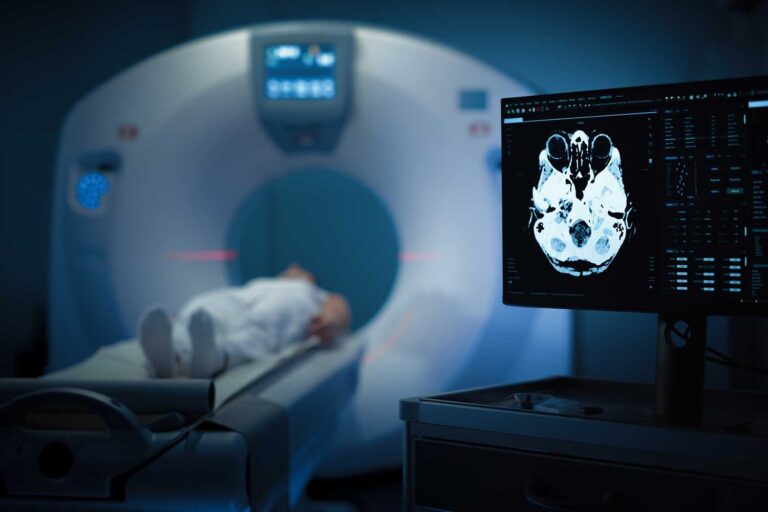
An MRI scan is a noninvasive medical imaging test that uses a strong magnetic field, radio waves, and a computer to create highly detailed images of your internal anatomy. Unlike X-rays or CT scans, MRI does not use ionizing radiation—making it a safer option for many patients, especially when soft tissues are being studied.
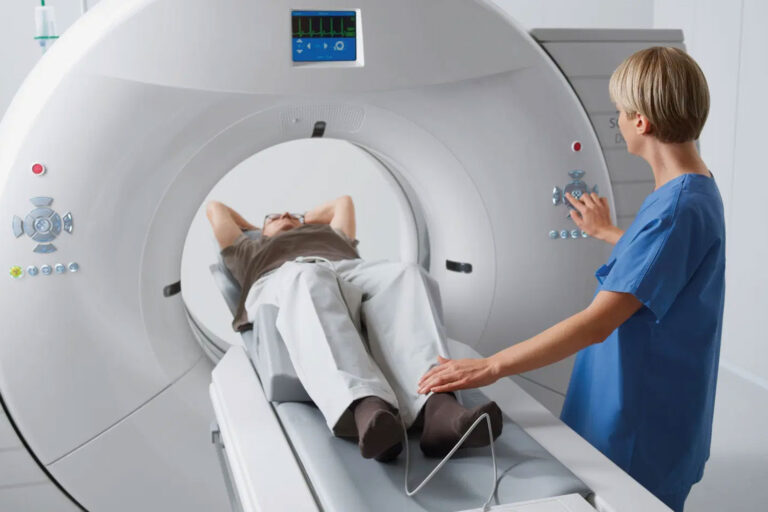
During the scan, you lie on a table that slides into a large, tube-shaped machine. The magnetic field temporarily realigns the atoms in your body, and radio waves help produce cross-sectional images from different angles. These images show the structures of your organs, muscles, nerves, and other tissues with exceptional clarity.
Why Doctors Order MRI Scans
MRIs are used to assess many different health concerns because they can visualize soft tissues that other imaging tests may not capture well. Your doctor might recommend an MRI to:
- Check the brain and spinal cord for injuries, inflammation, or abnormalities
- Evaluate muscles, ligaments, and tendons after injury
- Diagnose or monitor tumors, infections, or diseases of internal organs
- Look at joints and cartilage for arthritis or tears
- Examine blood vessels using specialized MRI techniques like MR angiography
Because MRI is particularly good at differentiating between types of soft tissues, it often reveals details that other imaging tests can miss.
What to Expect During Your MRI
An MRI scan is painless and does not involve surgery. Here’s how the process works:
- Preparation: You may be asked to remove metal objects and change into a gown.
- Positioning: A trained technologist positions you comfortably on the exam table.
- Scanning: The table slides into the MRI machine. As the scan runs, you may hear clicking or tapping sounds.
- Contrast (if needed): In some cases, a contrast agent may be injected into a vein to enhance image detail.
- Completion: The scan usually takes 20–60 minutes, depending on the area being examined.
Because there’s no radiation, there’s typically no recovery time—you can return to your normal activities right after your appointment.
Types of MRI Machines
MRI systems may be closed (tube-like) or open (more open sides), which can be helpful for people who feel anxious in tight spaces. Both types use the same basic technology to produce detailed images.
MRI at IPMC
Why Choose IPMC for Your MRI in Philadelphia??
Convenient Location and Flexible Hours
Easily accessible with onsite parking. Open Monday–Friday from 8AM to 8PM to fit your schedule.
Advanced MRI Technology
Our equipment delivers detailed images that help your doctor make accurate diagnoses and guide treatment.
Comfortable Outpatient Setting
Fast Appointments & Quick Results
Schedule Your MRI at IPMC
If your physician has recommended an MRI, Independent Physicians Medical Center provides reliable and convenient imaging close to home in Northeast Philadelphia.
- Call 215-464-3300 to book your appointment.
- 9908 E. Roosevelt Blvd., Philadelphia, PA 19115
- Monday–Friday, 8AM–8PM
At IPMC, high-quality imaging and compassionate care go hand-in-hand—helping you and your doctor get the answers you need with confidence.