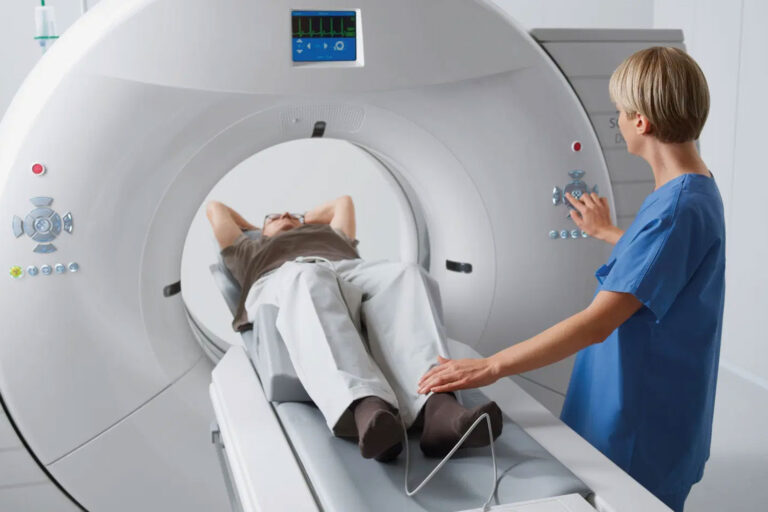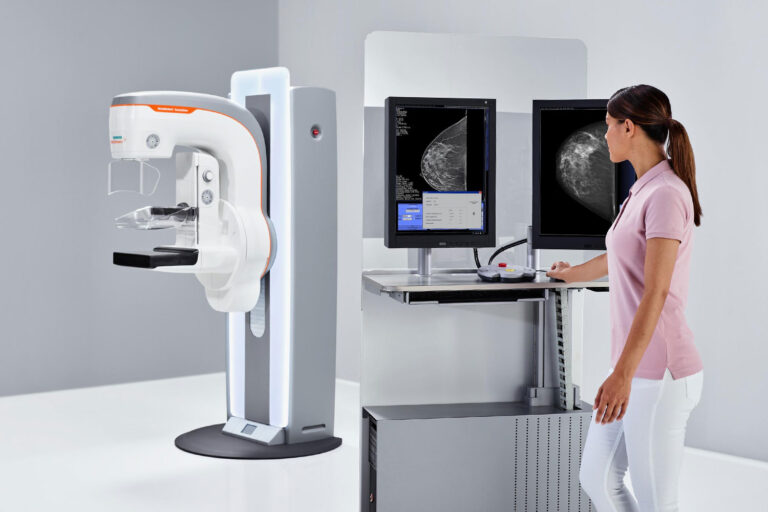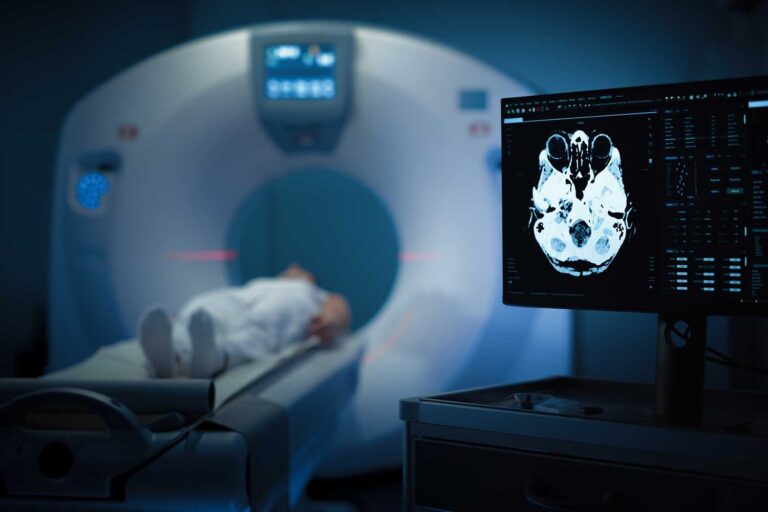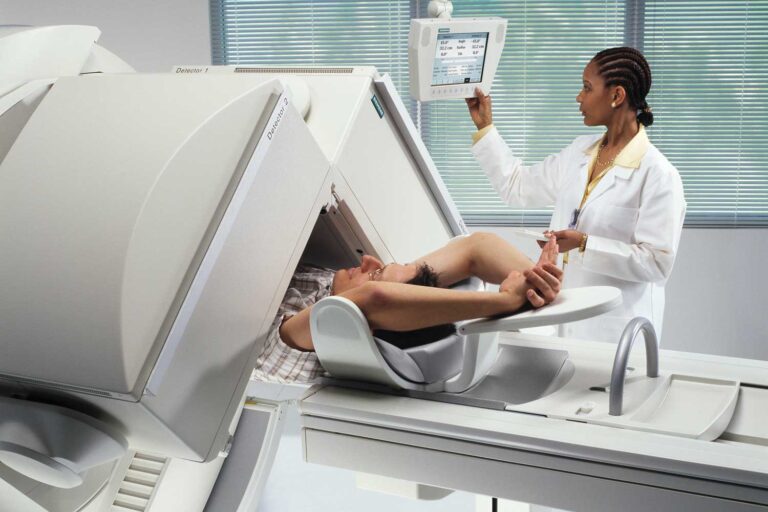
If your doctor has ordered an X-ray, you may be wondering what the test involves, what it can detect, and how to prepare. X-rays are one of the most commonly used and trusted imaging tools in medicine. They’re fast, painless, and highly effective at helping doctors diagnose a wide range of conditions.
At Independent Physicians Medical Center (IPMC) in Northeast Philadelphia, we provide advanced digital X-ray imaging in a comfortable outpatient setting—without the long hospital wait times.
What Is an X-Ray?
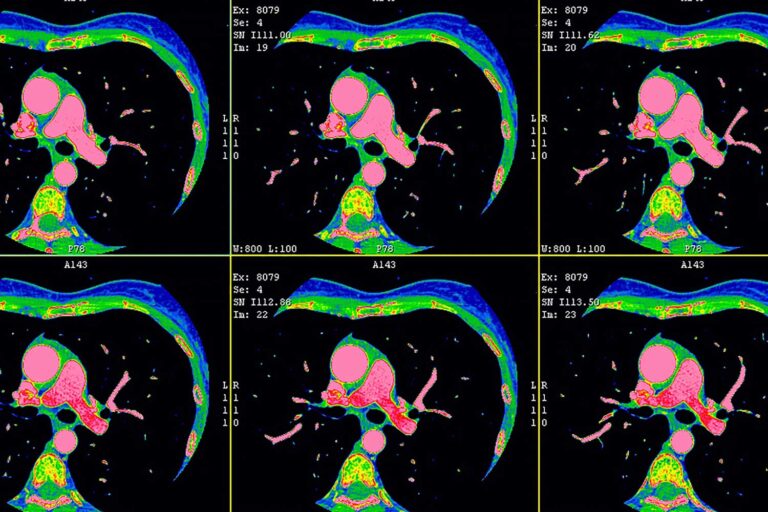
An X-ray is a type of imaging test that uses a small amount of radiation to create pictures of structures inside your body. Because bones absorb more radiation than soft tissues, they appear white on X-ray images, while softer areas appear in shades of gray.
X-rays are commonly used to examine:
- Bones and joints
- Chest and lungs
- Abdomen
- Teeth
- Spine
They help doctors quickly evaluate injuries, infections, and chronic conditions.
What Can an X-Ray Detect?
Depending on the area being examined, an X-ray can help identify:
- Bone fractures
- Arthritis
- Joint dislocations
- Lung infections such as pneumonia
- Enlarged heart
- Digestive blockages
- Certain tumors
In many cases, an X-ray is the first step in diagnosing a medical issue.
Is an X-Ray Safe?
X-rays use a low level of radiation, and modern digital imaging systems use even lower doses than older equipment. For most people, the benefits of accurate diagnosis far outweigh the minimal risk.
If you’re pregnant or think you might be, be sure to inform your provider before the exam.
At IPMC, we use up-to-date digital X-ray technology designed to provide high-quality images while minimizing radiation exposure.
What Happens During an X-Ray?
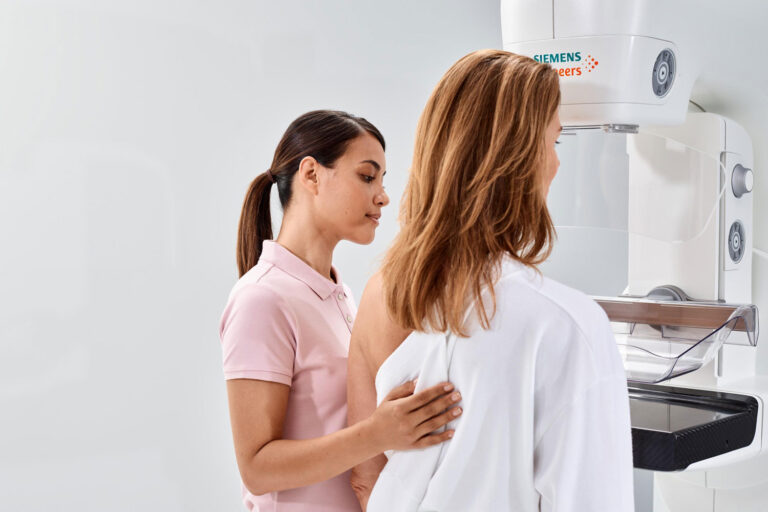
An X-ray is quick and painless. Here’s what to expect:
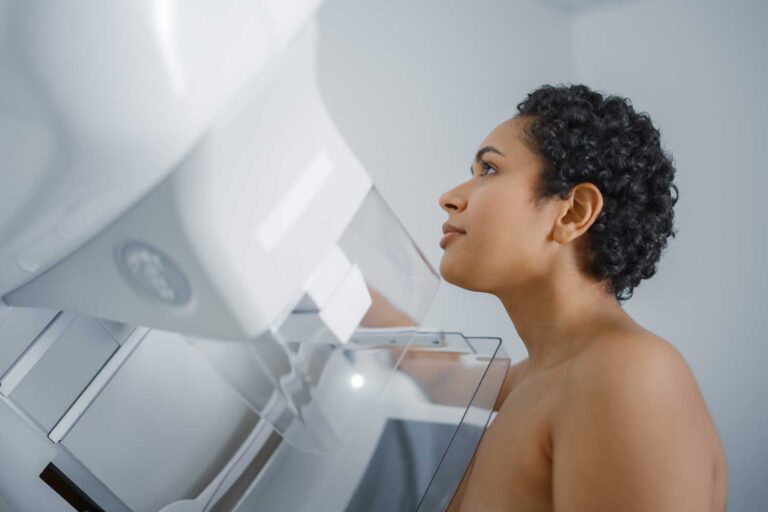
- You’ll be positioned by a trained technologist.
- You may be asked to stand, sit, or lie down depending on the body part being examined.
- The technologist will briefly step behind a protective screen while the image is taken.
- You may need to hold still or briefly hold your breath.
Most X-rays take only a few minutes to complete.
Do You Need to Prepare?
For most routine X-rays, no special preparation is required. You may be asked to remove jewelry, glasses, or metal objects that could interfere with the image.
For certain abdominal studies, your doctor may provide specific instructions ahead of time.
X_Ray at IPMC
Why Choose IPMC for X-Rays in Northeast Philadelphia?
Convenient Location and Flexible Hours
Fast Appointments & Quick Results
Comfortable Outpatient Setting
Avoid the stress of a hospital visit. Our welcoming center is designed for efficiency and patient comfort
Experienced, Board-Certified Physicians
Your imaging is reviewed by experienced professionals dedicated to accuracy and personalized care.
Schedule Your X-Ray at IPMC
If your doctor has recommended an X-ray, IPMC provides reliable outpatient imaging in Northeast Philadelphia.
- Call 215-464-3300 to schedule your appointment.
- 9908 E. Roosevelt Blvd., Philadelphia, PA 19115
- Monday–Friday, 8AM–8PM
At Independent Physicians Medical Center, we believe medical care should be personal, efficient, and focused on your peace of mind—starting with your imaging experience.