At Independent Physicians Medical Center (IPMC) in Northeast Philadelphia, we offer both screening and diagnostic mammography services, including advanced 3D mammography (digital breast tomosynthesis) — in a welcoming, private outpatient environment. If you’re looking for a mammogram in Philadelphia, our experienced team and state-of-the-art imaging system are ready to help.
What Is Mammography and How Does It Work?
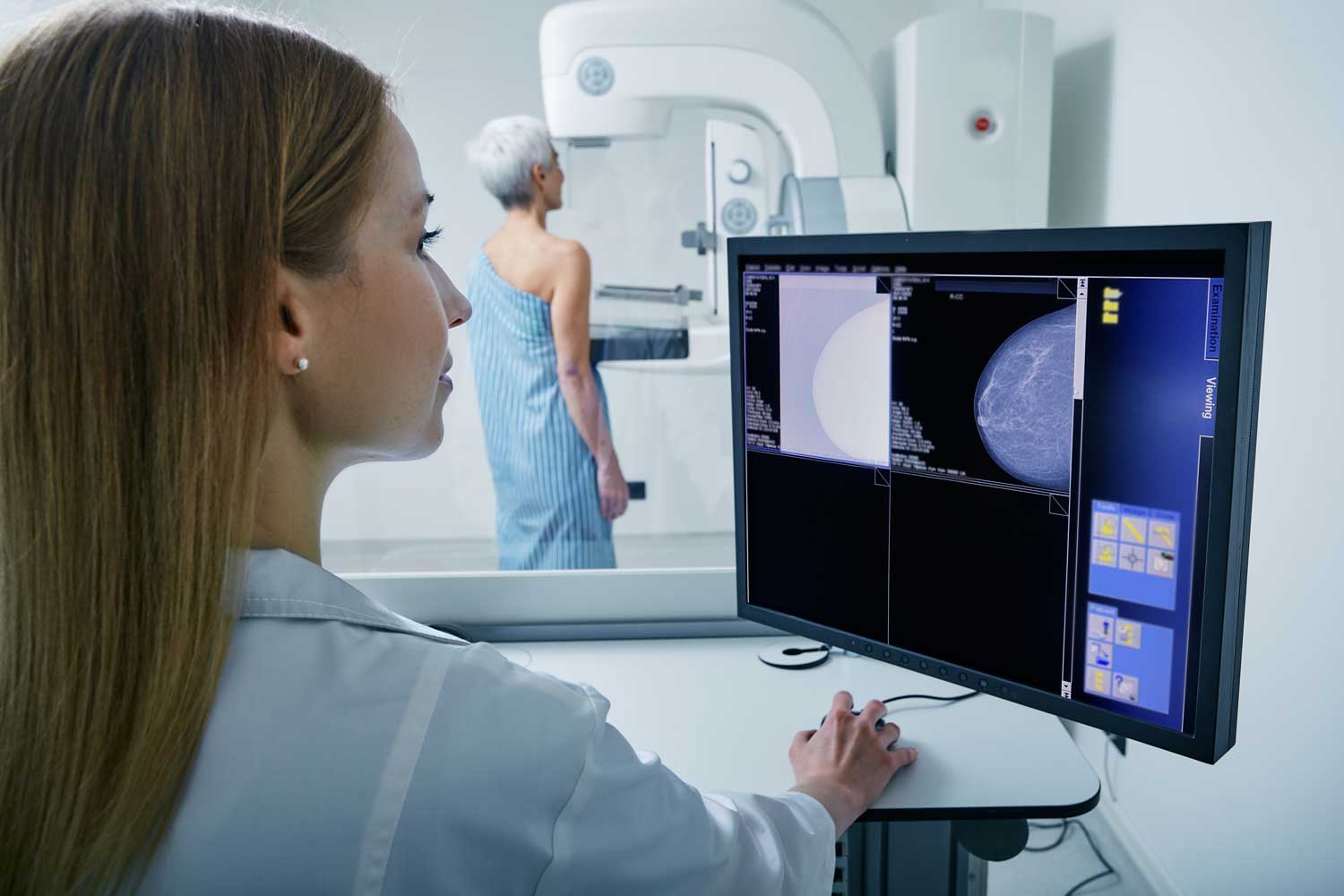
A mammogram uses very low doses of X-ray radiation to create detailed images of breast tissue — images that allow a radiologist to identify changes that may indicate cancer or other conditions. The procedure is quick, non-invasive, and does not require recovery time.
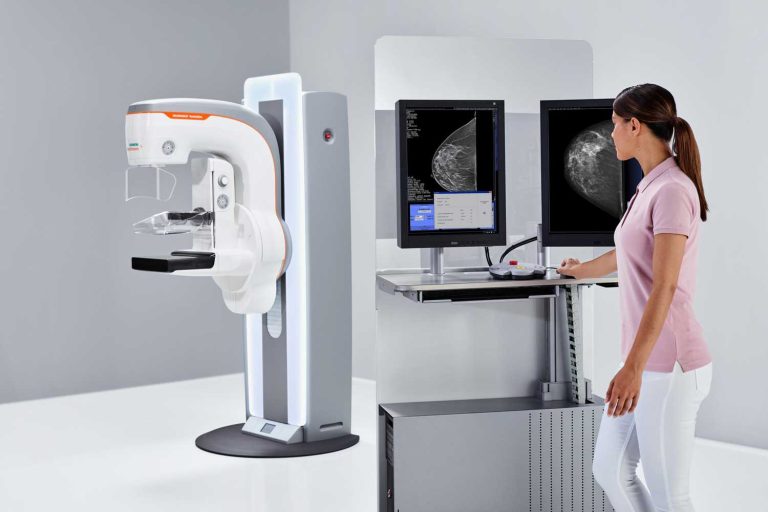
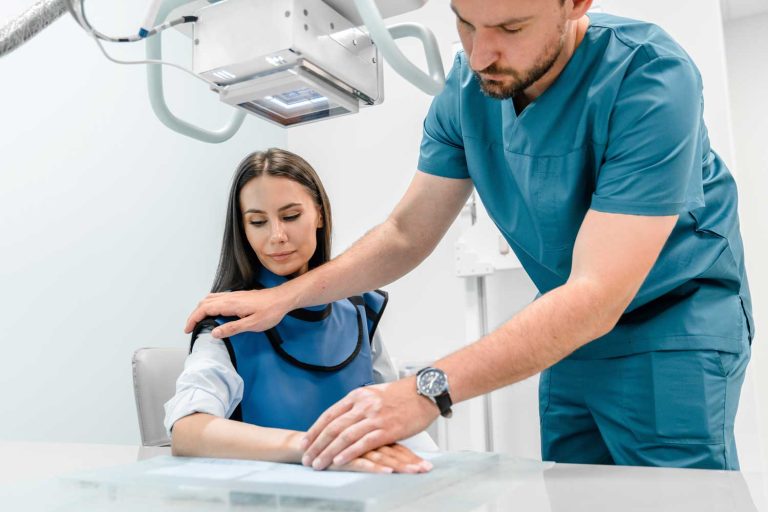
During a mammogram, you stand in front of the imaging machine. A trained technologist positions your breast on a platform, and two plates gently compress the tissue for a few seconds. Compression is important — it spreads the tissue thin so the X-ray can penetrate more evenly, reducing the radiation needed and producing a clearer image. Several views are taken from different angles. The entire exam usually takes 15 to 30 minutes.
According to the American Cancer Society, mammography is 85–90% accurate and remains the gold-standard tool for early breast cancer detection. When used consistently as an annual screening, it has been shown to reduce the risk of dying from breast cancer.
Screening Mammogram vs. Diagnostic Mammogram: What’s the Difference?
There are two distinct types of mammograms, each serving a different purpose:
| Type | Who It’s For | Purpose |
|---|---|---|
| Screening mammogram | Women with no current breast symptoms | Routine preventive check to detect cancer before symptoms appear. Typically performed annually. |
| Diagnostic mammogram | Women with a symptom, abnormal screening result, or known concern | Focused evaluation of a specific area — a lump, pain, nipple discharge, skin change, or an unclear finding on a prior mammogram. More views are taken. |
A diagnostic mammogram cannot diagnose breast cancer on its own — if something suspicious is found, a biopsy is needed to confirm. But it plays a critical role in deciding whether further testing is necessary.
When Should You Get a Mammogram? Screening Guidelines
Recommended screening ages vary slightly by organization, but the general consensus is:
- Women at average risk: Annual mammograms starting at age 40. The American Cancer Society recommends yearly screening beginning at 40, continuing as long as a woman is in good health.
- Women at higher risk (due to family history, BRCA1/BRCA2 gene mutations, or prior chest radiation): May need to begin screening earlier and may benefit from annual breast MRI in addition to mammography.
- Under age 40 with symptoms or a concerning family history: Talk to your doctor — earlier imaging may be appropriate.
Getting your mammogram at the same time each year makes it easier for radiologists to compare images and detect subtle changes over time.
2D vs. 3D Mammography: Which Is Better?
Traditional (2D) mammography takes a flat image of the breast from two directions. When breast tissue overlaps in this image, tumors — especially in dense tissue — can be hidden.
3D mammography (digital breast tomosynthesis) improves on this by capturing multiple images from different angles and reconstructing them into thin cross-sectional slices. A radiologist can scroll through these slices layer by layer — eliminating the confusion of overlapping tissue and detecting cancers that might be missed on a standard 2D image.
Key advantages of 3D mammography include:
- Better detection in dense breast tissue — the most common reason cancers are missed on 2D mammograms
- Fewer callbacks for additional imaging due to ambiguous findings
- Higher detection rate for small or subtle cancers, found earlier when treatment is most effective
- Radiation exposure remains minimal — comparable to or slightly above a standard 2D mammogram
For a complete guide to how 3D mammography works, see our article: What Is Tomosynthesis (3D Mammography) and Why It Matters.
What Happens After Your Mammogram?
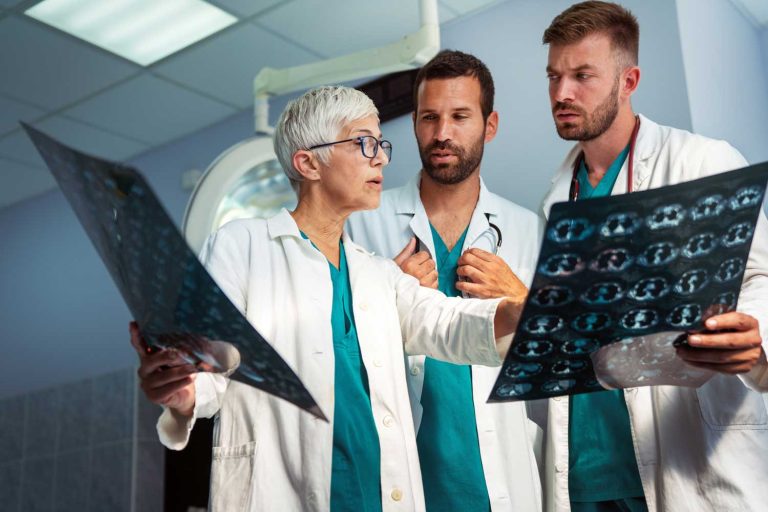
After your exam, a board-certified radiologist reviews your images and prepares a report for your referring doctor. Results are typically available within a few days, though some facilities send results the same day.
Normal Results
No significant abnormalities found. Continue with annual screening as recommended.
Abnormal or Inconclusive Results (Callback)
If something unusual appears — a mass, cluster of calcifications, or an area that isn’t clearly visible — you may be called back for additional views, a breast ultrasound, or a breast MRI. A callback is common, especially after a first mammogram when there is no prior image to compare. Most callbacks do not result in a cancer diagnosis. The National Cancer Institute notes that about 10% of women are called back after a screening mammogram for additional imaging, and the vast majority of these are found to be benign.
If a Biopsy Is Recommended
A suspicious finding on a mammogram or follow-up imaging may prompt a recommendation for a biopsy — the only way to confirm whether a finding is cancerous. Your doctor will explain the type of biopsy most appropriate for your situation.
How to Prepare for Your Mammogram at IPMC
Our complete mammography preparation guide has everything you need. Key points:
- Do not wear deodorant, antiperspirant, perfume, or lotion on your underarms or torso on the day of your exam — these can create artifacts on the images
- Wear a two-piece outfit so you only need to undress from the waist up
- Schedule during the week after your period, when breasts are least tender
- Bring any prior mammogram images if you are coming to IPMC for the first time
- You can eat, drink, and take medications normally
Mammography at IPMC
Why Choose IPMC for Your Mammogram in Philadelphia?
Convenient Location and Flexible Hours
Easily accessible with onsite parking. Open Monday–Friday from 8AM to 8PM to fit your schedule.
Advanced Mammography Technology
Comprehensive Breast Imaging in One Location
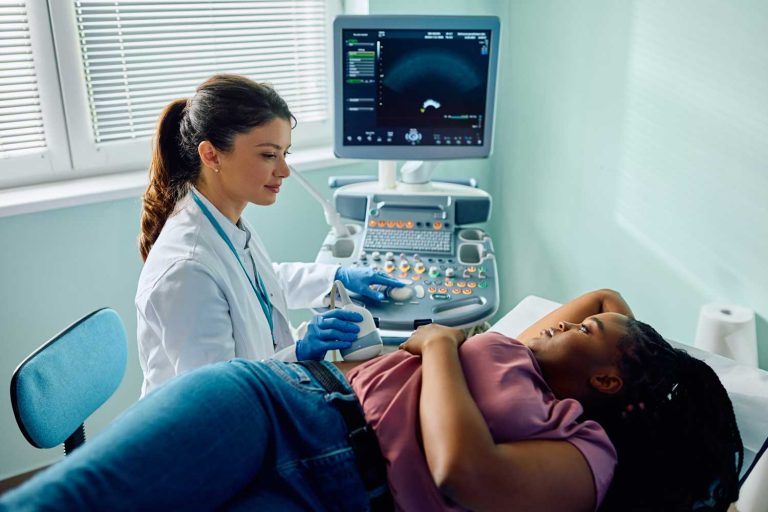
Beyond mammography, IPMC offers breast MRI and breast ultrasound — so if follow-up imaging is needed, it can often be scheduled at the same convenient location.
Fast Appointments & Quick Results
Get Ready for Your Mammogram
If your doctor has recommended a mammography exam for screening or diagnostic purposes, scheduling it at IPMC brings reliable imaging close to home in Northeast Philadelphia.
- Call 215-464-3300 to schedule your mammogram.
- 9908 E. Roosevelt Blvd., Philadelphia, PA 19115
At Independent Physicians Medical Center, we believe imaging should be personal, efficient, and centered around your health — helping you and your physician make informed decisions with confidence.