At Independent Physicians Medical Center (IPMC) in Northeast Philadelphia, we provide advanced head/brain MRI services in a comfortable outpatient setting to support accurate diagnosis and care planning.
What Is a Head MRI?
A head MRI uses a powerful magnet, radio waves, and a computer to create very detailed images of your brain, brain stem, blood vessels, skull, and other structures inside your head. The resulting images are clearer and more detailed than those from standard X-rays or CT scans, especially when evaluating soft tissues.
This type of imaging is often referred to as a brain MRI or cranial MRI and helps doctors detect subtle changes in the brain’s anatomy.
Why Your Doctor Might Recommend a Head MRI
Head MRI scans are ordered to investigate symptoms or conditions that may involve the brain or other structures in the head. Common reasons include:
- Chronic headaches or migraines
- Seizures or unexplained dizziness
- Vision or hearing changes
- Recovery after head injury or stroke
- Suspected brain tumors or cysts
- Inflammation or infection
- Multiple sclerosis or other neurological disorders
- Blood vessel issues like aneurysms
Because MRI provides deeper detail than many other imaging tests, it’s especially useful when your provider needs a thorough look inside your head to diagnose or rule out conditions.
What Happens During a Head MRI
Here’s what to expect:
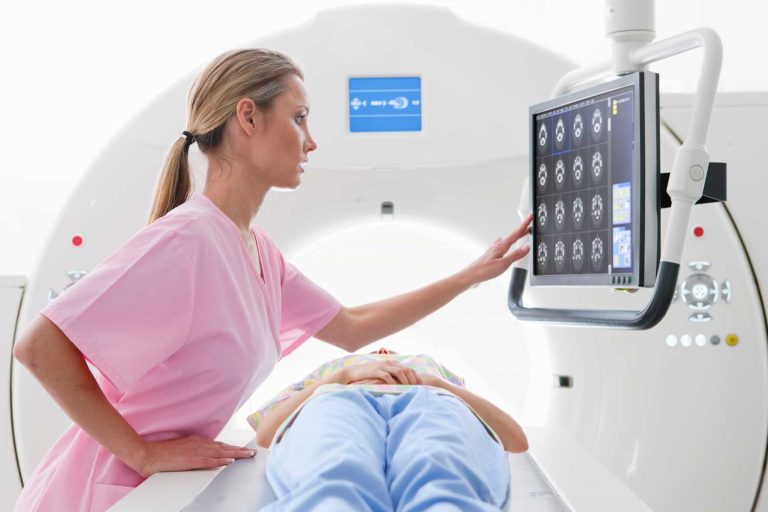
- You’ll lie on a padded table that slides into the MRI machine — a large, tube-shaped scanner.
- During the scan, a strong magnetic field and radio waves are used to create images of your brain.
- The machine can make loud knocking or tapping sounds, and you may be offered ear protection or music to help you relax.
- The procedure usually lasts 30–60 minutes.
- In some cases, your doctor may order an MRI with contrast, where a special dye (often gadolinium) is injected to make certain structures or abnormalities easier to see.
Most people find the test painless, though you must lie still to ensure clear images. If you have anxiety about enclosed spaces, talk to your doctor — support options may be available.
Preparing for Your Head MRI
Preparation for a head MRI is typically simple, but it’s important to:
- Remove metal objects like jewelry, watches, or hairpins before the scan.
- Let your technologist know if you have implanted devices, such as pacemakers, cochlear implants, or aneurysm clips.
- Inform your doctor if you’re pregnant, have claustrophobia, or have other health concerns.
Because MRI uses a strong magnet, certain implants and metal objects may affect your examination. Your imaging team will guide you through any special instructions.
What Head MRI Can Show
A head MRI can reveal a wide range of conditions and abnormalities within your head, including:
- Brain tumors or masses
- Stroke or brain injury
- Bleeding or hemorrhage
- Inflammation or infection
- Multiple sclerosis or other neurological diseases
- Aneurysms or blood vessel anomalies
- Structural abnormalities like Chiari malformation
The detailed images help your doctor diagnose conditions early, guide treatment decisions, and monitor changes over time.
MRI at IPMC
Why Choose IPMC for Your Head MRI in Philadelphia?
Convenient Location and Flexible Hours
Easily accessible with onsite parking. Open Monday–Friday from 8AM to 8PM to fit your schedule.
Advanced MRI Technology
Our equipment delivers detailed images that help your doctor make accurate diagnoses and guide treatment.
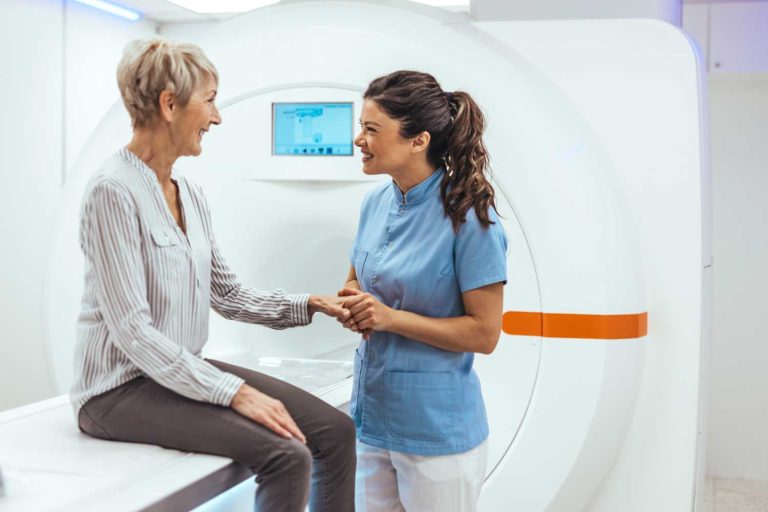
Comfortable Outpatient Setting
Fast Appointments & Quick Results
Schedule Your MRI Scan
If your doctor has recommended a head MRI to investigate symptoms or monitor a known condition, Independent Physicians Medical Center is here to help with reliable imaging and compassionate care.
- Call 215-464-3300 to schedule your appointment.
- 9908 E. Roosevelt Blvd., Philadelphia, PA 19115
- Monday–Friday, 8AM–8PM
At IPMC, we believe medical care should be personal, efficient, and focused on giving you the answers you need — starting with advanced imaging you can trust.