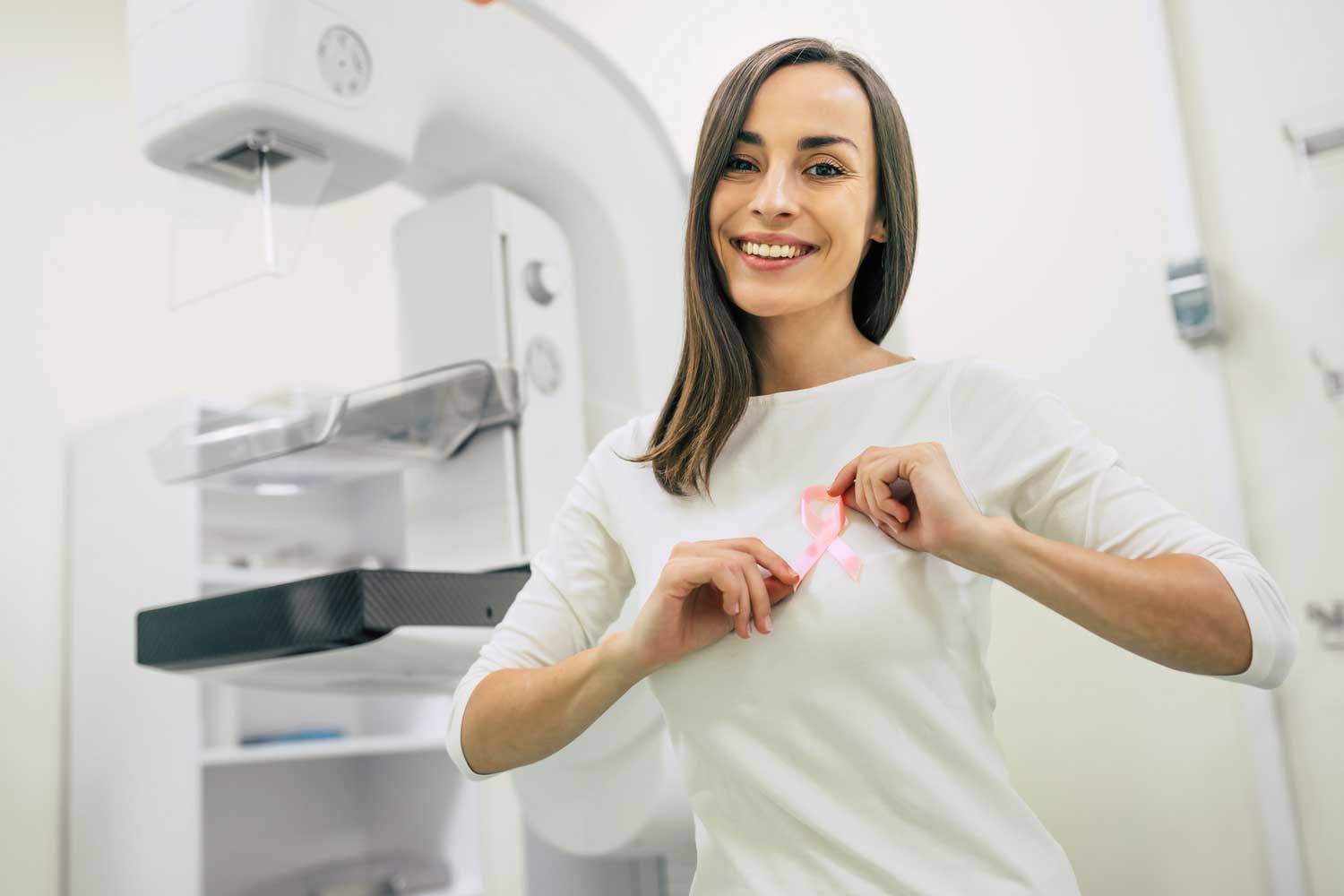
Why Mammogram Screening Usually Starts Later
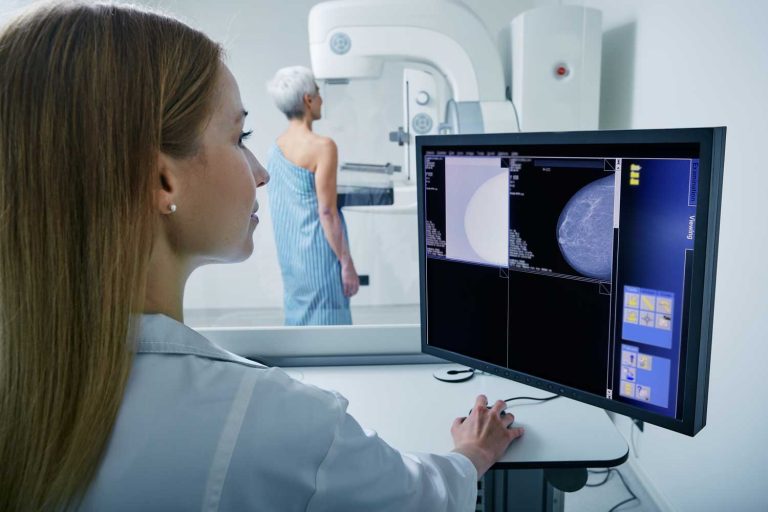
Most major health organizations, including the U.S. Preventive Services Task Force, recommend that women at average risk begin routine screening mammograms at age 40 and continue every 1–2 years thereafter.
This recommendation is based on the fact that breast cancer becomes more common with age, and mammography has been shown to be effective in detecting cancers early among women over 40. However, widespread screening in younger women without risk factors hasn’t traditionally been recommended because:
- Breast cancer incidence is relatively low before age 40.
- Younger women often have dense breast tissue, which can make mammograms less sensitive, leading to more false positives and unnecessary biopsies.
When Starting Mammograms at Age 30 May Be Recommended
Although routine screening in all women under 40 is not standard practice, some women may benefit from earlier mammograms, often starting around age 30:
1. Personal or Family History of Breast Cancer
Women who have had breast cancer themselves, or have a first-degree relative (mother, sister, daughter) diagnosed with breast cancer, may be advised to begin screening at a younger age.
2. High Lifetime Risk
If you carry genetic mutations linked to higher breast cancer risk (e.g., BRCA1/BRCA2) or have other combinations of risk factors that put you at elevated lifetime risk, annual screening may start at age 30.
3. Dense Breast Tissue or High-Risk Features
Women with dense breasts — a common condition that itself increases cancer risk and can obscure mammogram findings — may also benefit from a more personalized screening plan, which could include mammography or supplemental imaging earlier than typical guidelines indicate.
What Experts Say: Talk With Your Doctor
Even though a few studies suggest potential advantages of earlier mammograms for certain groups, medical organizations have not yet changed universal screening age recommendations for all women under 40.
Experts stress that by age 30, every woman should discuss her individual breast cancer risk with her doctor. This conversation can take into account:
- Family history of breast or genetic cancer syndromes
- Personal history of radiation therapy to the chest
- Presence of dense breasts
- Other risk factors like reproductive history or lifestyle components
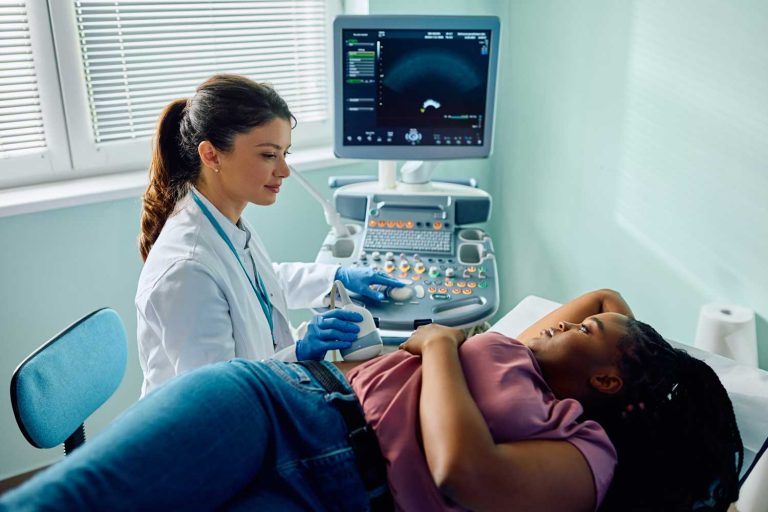
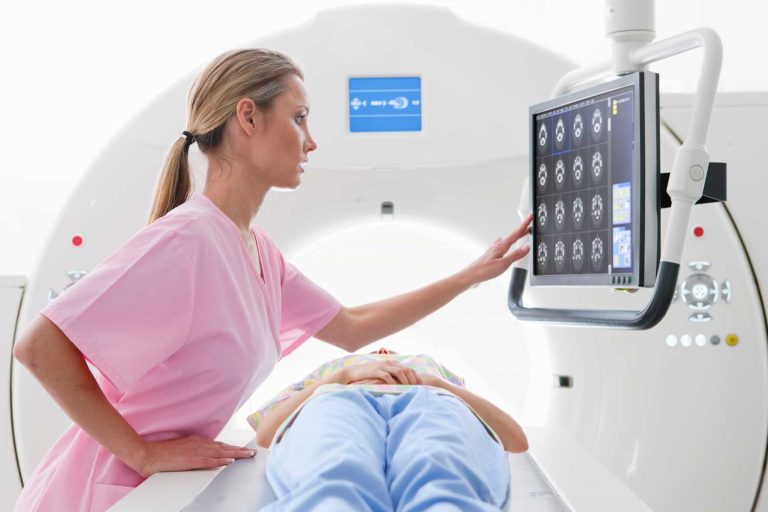
Together with your healthcare provider, you can determine if earlier screening — including mammography, ultrasound, or breast MRI — might be appropriate for your situation.
Mammography at IPMC
Early Awareness and Screening at IPMC
Convenient Location and Flexible Hours
Easily accessible with onsite parking. Open Monday–Friday from 8AM to 8PM to fit your schedule.
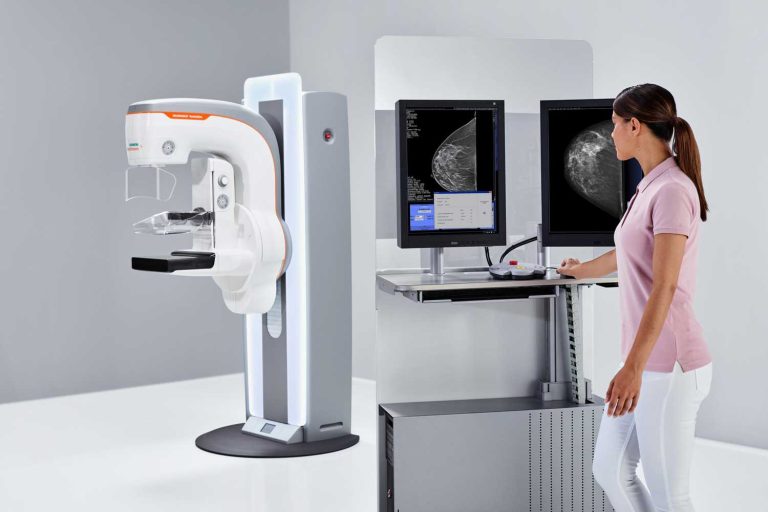
Advanced Mammography and Imaging
Personalized, Outpatient Breast Imaging
Fast Appointments & Quick Results
Talk to Your Doctor About Your Risk
If you’re concerned about breast cancer risk — especially if you’re in your 30s — schedule a conversation with your healthcare provider. Understanding your risk profile early helps ensure you get the right screening at the right time, tailored to your health needs.
- To schedule mammography or a breast cancer risk consultation at IPMC, call 215-464-3300.
- 9908 E. Roosevelt Blvd., Philadelphia, PA 19115
Early detection and personalized screening can make all the difference — and it starts with understanding your risk and taking the next step with confidence.