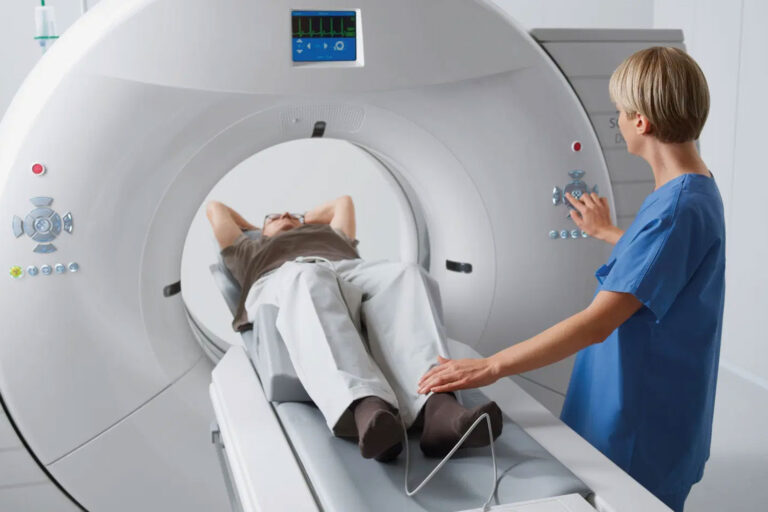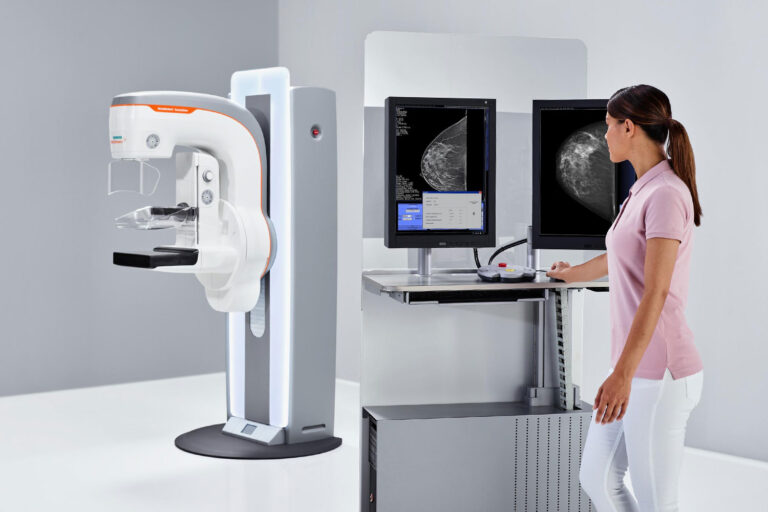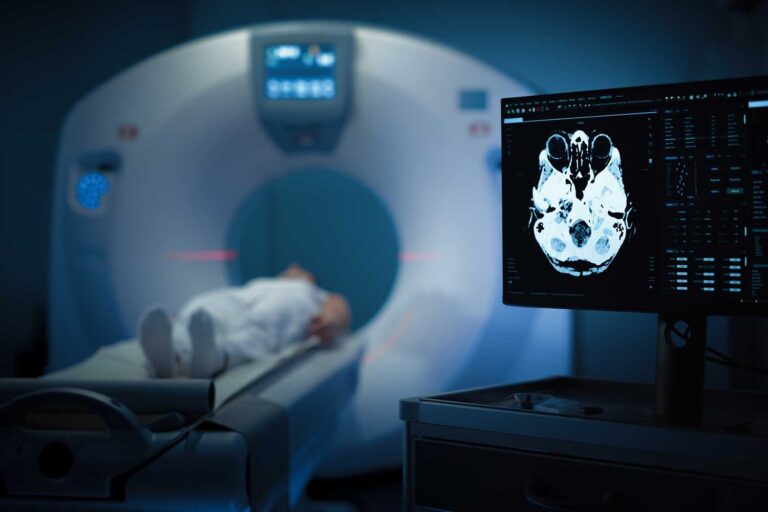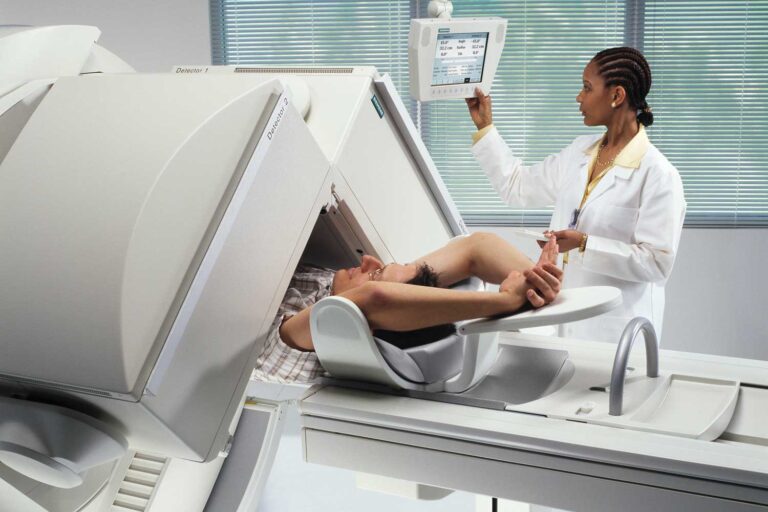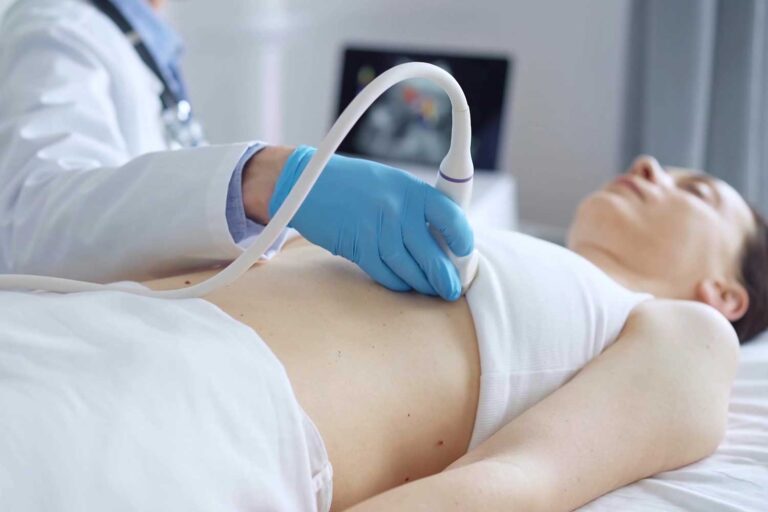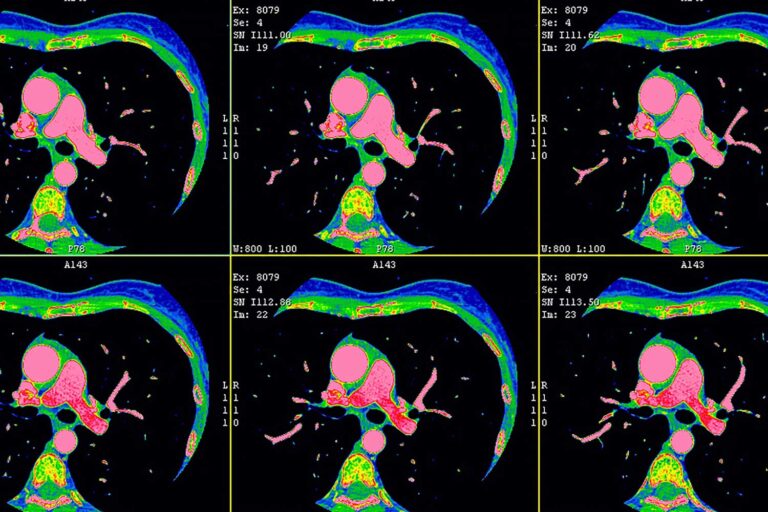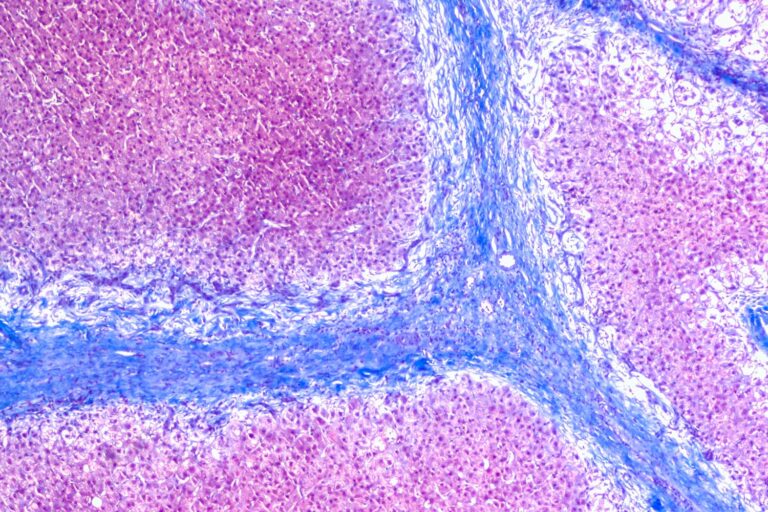
At Independent Physicians Medical Center (IPMC) in Northeast Philadelphia, we offer advanced outpatient imaging—including digital X-rays and MRI services—to help diagnose injuries and medical conditions quickly and accurately.
What Is an X-Ray?
An X-ray uses a small amount of radiation to create images of dense structures inside the body, especially bones. X-rays are commonly used to:
- Detect bone fractures
- Evaluate arthritis
- Identify joint dislocations
- Examine chest conditions like pneumonia
- Assess certain abdominal concerns
X-rays are fast—often completed in just a few minutes—and are typically the first imaging test ordered for injuries or bone-related issues.
What Is an MRI?
An MRI (Magnetic Resonance Imaging) uses strong magnets and radio waves to create detailed images of soft tissues, organs, and structures inside the body. Unlike X-rays, MRIs do not use radiation. MRIs are often used to evaluate:
- Ligament and tendon injuries
- Spinal conditions
- Brain and neurological issues
- Soft tissue injuries
- Joint cartilage damage
MRI scans provide more detailed images than X-rays but typically take longer to complete.
Key Differences Between MRI and X-Ray
| Feature | X-Ray | MRI |
|---|---|---|
| Uses radiation | Yes (low dose) | No |
| Best for | Bones, fractures | Soft tissues, ligaments, organs |
| Speed | Very fast | Longer exam time |
| Detail level | Basic structural images | Highly detailed images |
Your doctor will choose the imaging test based on your symptoms and what needs to be evaluated.
When Might You Need an X-Ray First?
In many cases, especially after a fall or injury, doctors start with an X-ray to rule out fractures. If symptoms persist and soft tissue damage is suspected, an MRI may be ordered afterward.
For example:
- Persistent knee pain after a normal X-ray → MRI may detect ligament tears.
- Chronic back pain → MRI may reveal disc problems not visible on X-ray.
Having access to comprehensive imaging helps ensure accurate diagnosis.
Which Test Is Right for You?
The decision depends on:
- Your symptoms
- Your medical history
- The area of the body being examined
- Whether bone or soft tissue injury is suspected
If you’re unsure, your referring physician will determine the most appropriate study for your condition.
MRI and X-rays
Why Choose IPMC for Imaging in Northeast Philadelphia?
Convenient Location and Flexible Hours
Fast Appointments & Quick Results
Comfortable Outpatient Setting
Avoid the stress of a hospital visit. Our welcoming center is designed for efficiency and patient comfort
Experienced, Board-Certified Physicians
Your imaging is reviewed by experienced professionals dedicated to accuracy and personalized care.
Schedule Your Imaging Appointment Today
If your doctor has ordered an X-ray or MRI, IPMC offers reliable outpatient imaging services in Northeast Philadelphia.
- Call 215-464-3300 to schedule your appointment.
- 9908 E. Roosevelt Blvd., Philadelphia, PA 19115
- Monday–Friday, 8AM–8PM
At Independent Physicians Medical Center, we believe medical care should be personal, efficient, and focused on delivering accurate answers—so you can move forward with confidence.