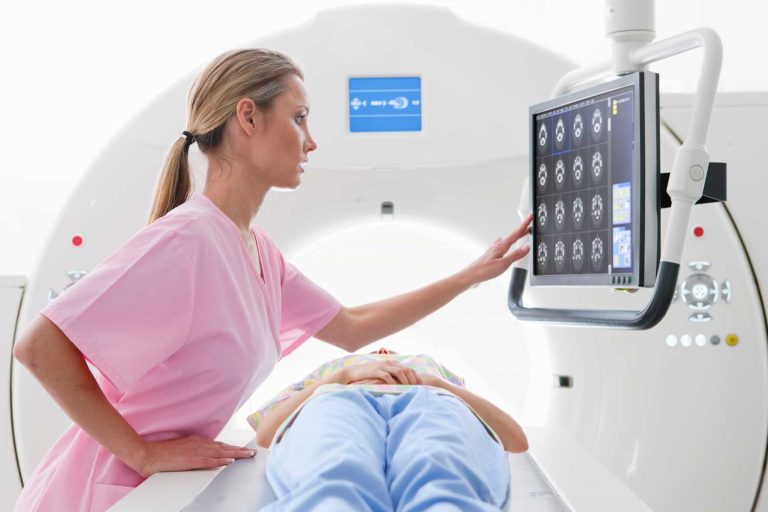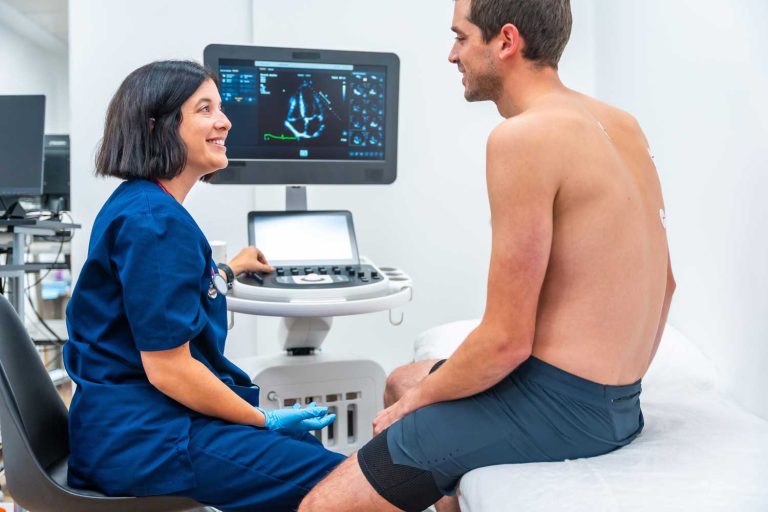
At Independent Physicians Medical Center (IPMC) in Northeast Philadelphia, we offer both MRI and angiography services in a comfortable outpatient setting, helping your physician get the detailed images needed for accurate diagnosis and treatment planning.
What Is an MRI?
MRI (Magnetic Resonance Imaging) is a non-invasive imaging test used to create detailed pictures of the inside of your body — including soft tissues, organs, muscles, nerves, and joints. It uses strong magnets and radio waves to generate images without radiation, making it safer for repeated use.
Doctors may order an MRI to evaluate:
- Brain and spinal conditions
- Joint injuries and musculoskeletal issues
- Tumors or masses
- Soft tissue inflammation
- Organ abnormalities
In many cases, a contrast agent (a special dye given through an IV) is used to enhance the detail of certain structures.
What Is an MRA?
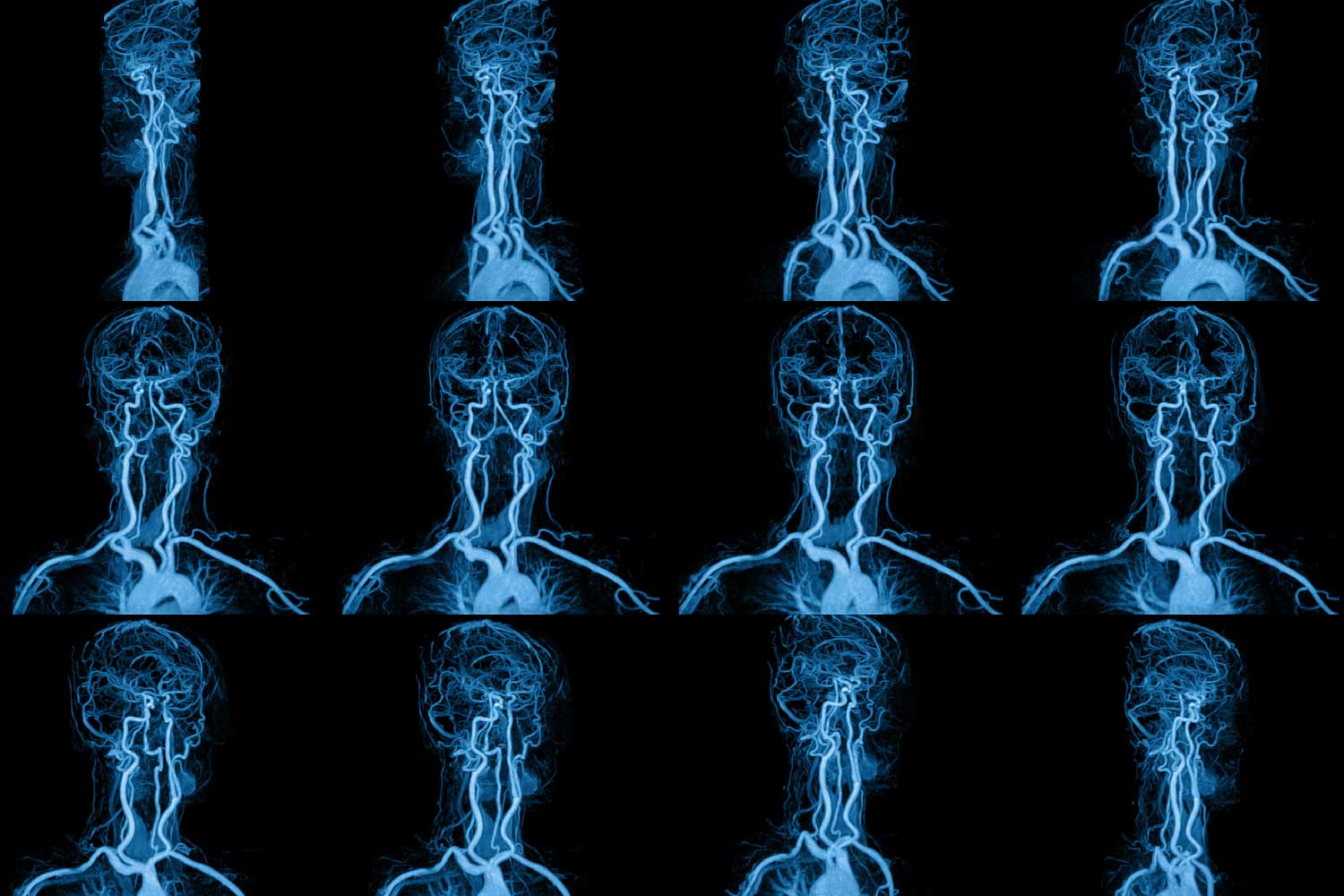
MRA (Magnetic Resonance Angiography) is a type of MRI scan specially designed to visualize blood vessels throughout your body — such as arteries in the brain, neck, heart, or legs. It helps doctors assess vascular health, detect blockages, and evaluate blood flow issues without the need for invasive catheter procedures.
An MRA may be recommended to look for:
- Narrowing or blockage of blood vessels
- Aneurysms or dilated vessel walls
- Vascular abnormalities linked to stroke or heart disease
- Abnormal blood flow patterns
MRA often uses a contrast dye to highlight the vessels more clearly, though not always.
MRI vs MRA: What’s the Real Difference?
While MRI and MRA use the same basic technology and machine, the key difference lies in their focus and purpose:
Focus of the Scan
- MRI: Provides detailed images of tissues, organs, and structures throughout the body.
- MRA: Zooms in on the blood vessels and circulation, helping doctors evaluate vascular health.
What They Diagnose
- MRI is ideal for diagnosing issues like soft tissue injuries, brain abnormalities, tumors, or musculoskeletal conditions.
- MRA is especially useful when blood flow problems, narrowed arteries, or vessel irregularities are suspected.
Use of Contrast Dye
Both tests may use contrast agents, but MRA more commonly involves contrast to make vessels more visible. Your physician will advise you on whether contrast is needed based on the area being studied.
What to Expect During an MRI or MRA
Both MRI and MRA scans are:
- Non-invasive and painless
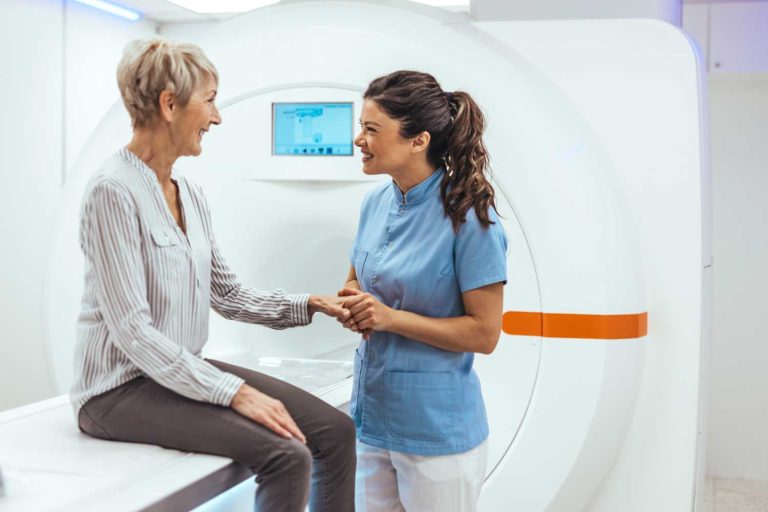
- Performed while you lie on a table that slides into the MRI machine
- Safe and radiation-free
You’ll be asked to remove metallic objects before the scan to prevent interference with the magnetic field. The scan itself often takes 30–60 minutes, and you may hear some tapping or knocking sounds during the process.
Why MRI and MRA Matter for Your Health
Choosing the right imaging test is crucial for accurate diagnosis and treatment. For example:
- An MRI can reveal soft tissue damage or organ abnormalities that other scans might miss.
- An MRA can detect blocked or narrowed blood vessels that may increase the risk of stroke or heart disease.
Your doctor will decide which scan is most appropriate based on your symptoms, medical history, and clinical needs.
Radiology at IPMC
Advanced MRI & MRA Services at IPMC
Convenient Location and Flexible Hours
Easily accessible with onsite parking. Open Monday–Friday from 8AM to 8PM to fit your schedule.
Advanced MRI Technology
Our equipment delivers detailed images that help your doctor make accurate diagnoses and guide treatment.
Comfortable Outpatient Setting
Fast Appointments & Quick Results
When to Schedule MRI or MRA at IPMC
If your provider has recommended imaging to investigate symptoms like persistent pain, neurological issues, suspected vessel abnormalities, or to follow up on known conditions, IPMC is here to help.
- Call 215-464-3300 to schedule your MRI or MRA appointment.
- 9908 E. Roosevelt Blvd., Philadelphia, PA 19115
- Monday–Friday, 8AM–8PM
At Independent Physicians Medical Center, we believe medical imaging should be personal, clear, and efficient — giving you and your doctor the details needed for confident care.