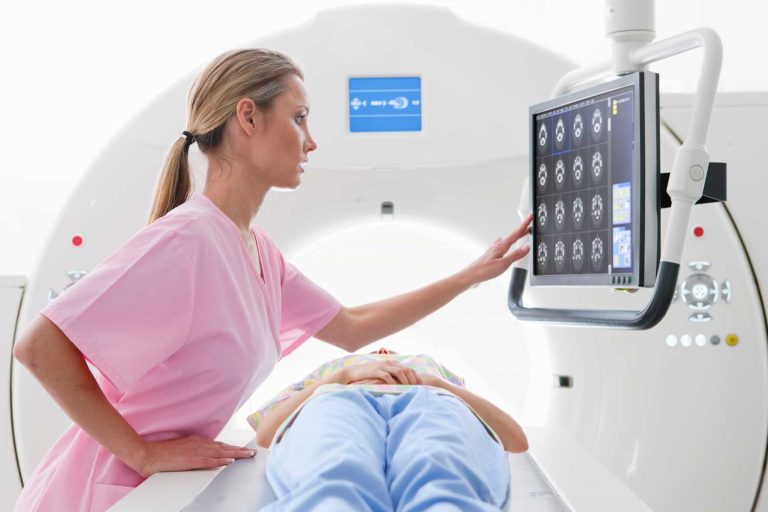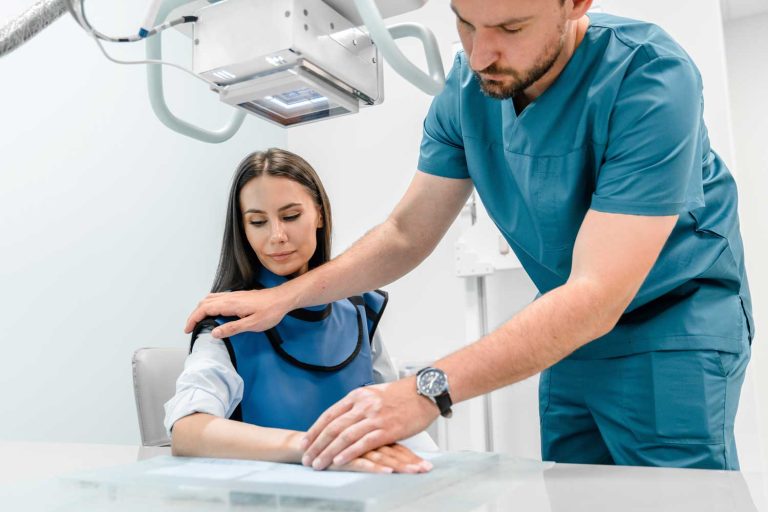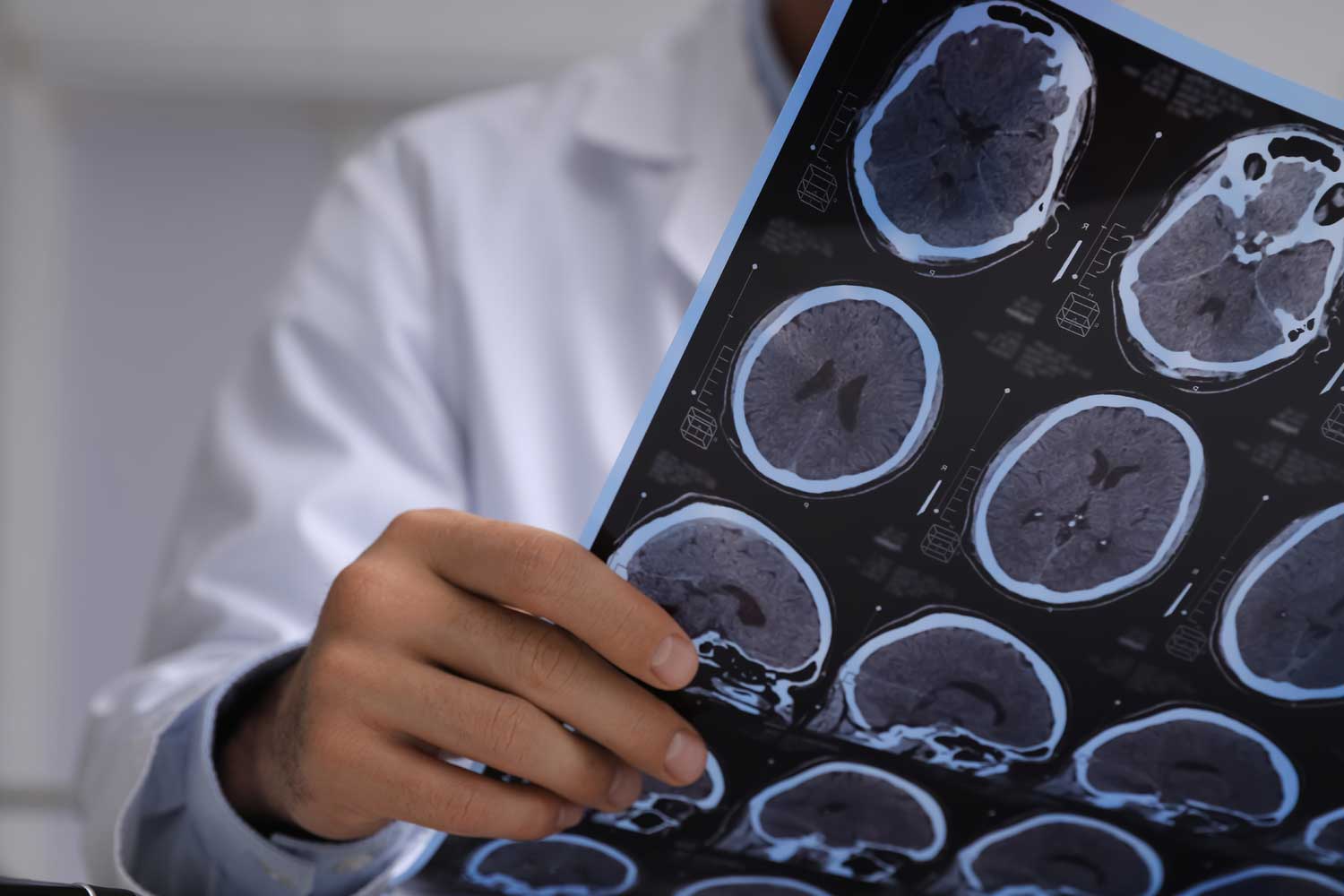
At Independent Physicians Medical Center (IPMC) in Northeast Philadelphia, we offer advanced imaging services that support the evaluation and follow-up of conditions like MS in a convenient outpatient setting.
Why Imaging Is Important in MS
There’s no single test that definitively diagnoses MS, but imaging plays a central role in identifying characteristic changes in the brain and spinal cord that support the clinical diagnosis.
Radiology scans:
- Show damage to myelin — the protective covering on nerve fibers
- Reveal scars or plaques (areas of inflammation and demyelination)
- Help rule out other conditions that mimic MS symptoms
- Monitor disease progression and treatment response over time
These scans are typically combined with neurological exams, medical history, and sometimes additional tests such as spinal fluid analysis.
MRI: The Most Important Imaging Tool
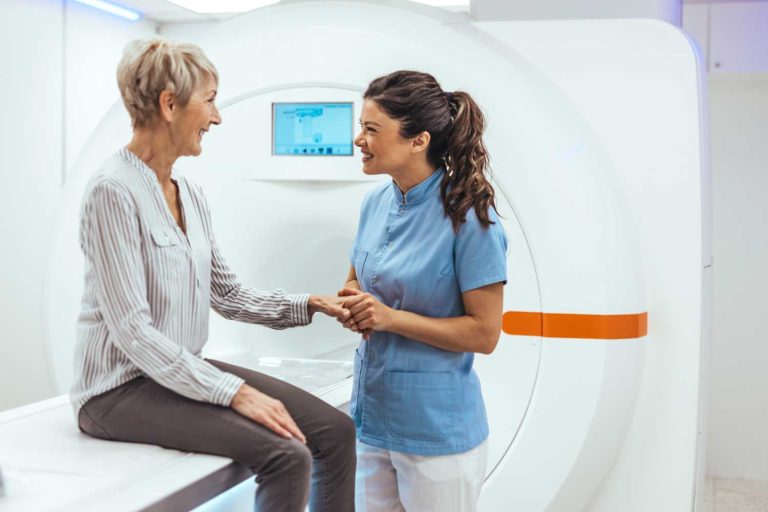
Magnetic resonance imaging (MRI) is the gold standard for evaluating MS. It uses magnets and radio waves—not radiation—to create detailed images of the brain and spinal cord.
What MRI Shows in MS
- Areas of inflammation and demyelination appear as bright or dark spots (known as lesions or plaques)
- Changes over time can show disease activity
- Damage in multiple locations supports the diagnosis, consistent with how MS affects the central nervous system
Doctors look for lesion patterns in both the brain and spinal cord because this disseminated involvement is characteristic of MS. These findings, along with clinical symptoms, help physicians make an accurate diagnosis.
Monitoring Progress
After diagnosis, follow-up MRI scans are often used to:
- Track new or enlarging lesions
- Evaluate treatment effectiveness
- Adjust care plans as needed
MRI doesn’t involve radiation and is considered safe, though the machine makes noise and requires you to remain still during the scan. Contrast dye may sometimes be used to highlight active inflammatory areas.
Other Radiology and Diagnostic Tests
While MRI is the cornerstone of MS imaging, additional tests may be used to support the diagnosis:
- CT scans — Less sensitive than MRI but can sometimes detect structural changes or help rule out other conditions when MRI isn’t available.
- Spinal fluid analysis (lumbar puncture) — Measures markers of inflammation that occur in MS.
- Evoked potential tests — Evaluate how well electrical signals travel along nerves.
These are usually considered alongside imaging results to build a complete clinical picture.
Why Early and Ongoing Imaging Matters
Detecting MS changes early can:
- Help confirm or exclude a diagnosis sooner
- Enable earlier treatment to reduce disease activity
- Prevent or slow further nerve damage
- Offer a baseline for future comparisons and long-term monitoring
At IPMC, radiology specialists work with your referring doctor to ensure imaging results are integrated smoothly into your care plan.
IPMC Radiology
Advanced Outpatient Imaging Services in Philadelphia
Convenient Location and Flexible Hours
Fast Appointments & Quick Results
Comfortable Outpatient Setting
Avoid the stress of a hospital visit. Our welcoming center is designed for efficiency and patient comfort
Experienced, Board-Certified Physicians
Your imaging is reviewed by experienced professionals dedicated to accuracy and personalized care.
Schedule Your MRI or Imaging Study
If your doctor has recommended imaging to evaluate neurological symptoms or monitor a known condition like multiple sclerosis, IPMC is here to help.
- Call 215-464-3300 to schedule your appointment.
- 9908 E. Roosevelt Blvd., Philadelphia, PA 19115
At Independent Physicians Medical Center, we believe medical care should be personal, efficient, and tailored to your needs—especially when it comes to advanced imaging that helps guide diagnosis and treatment.