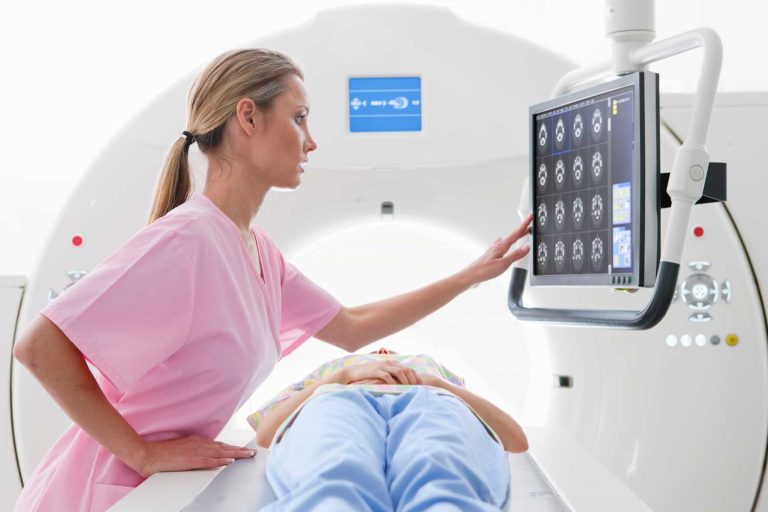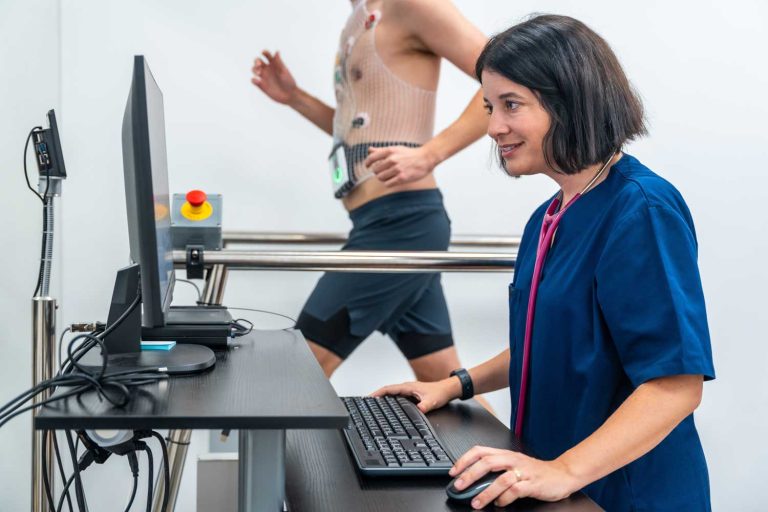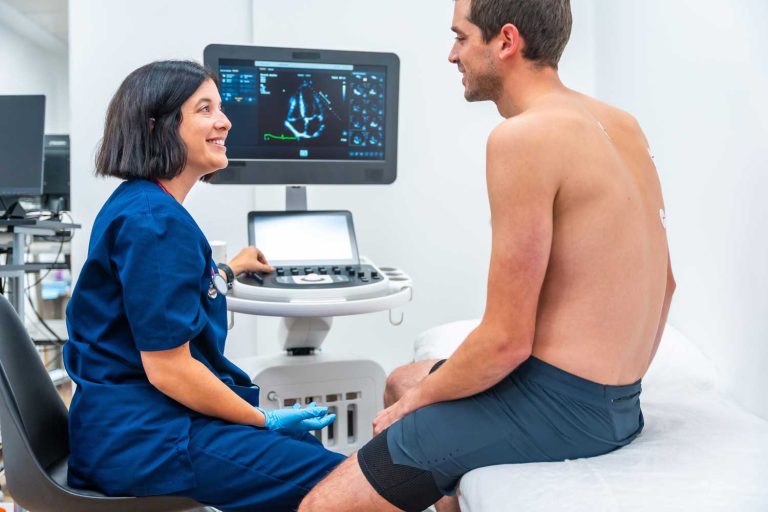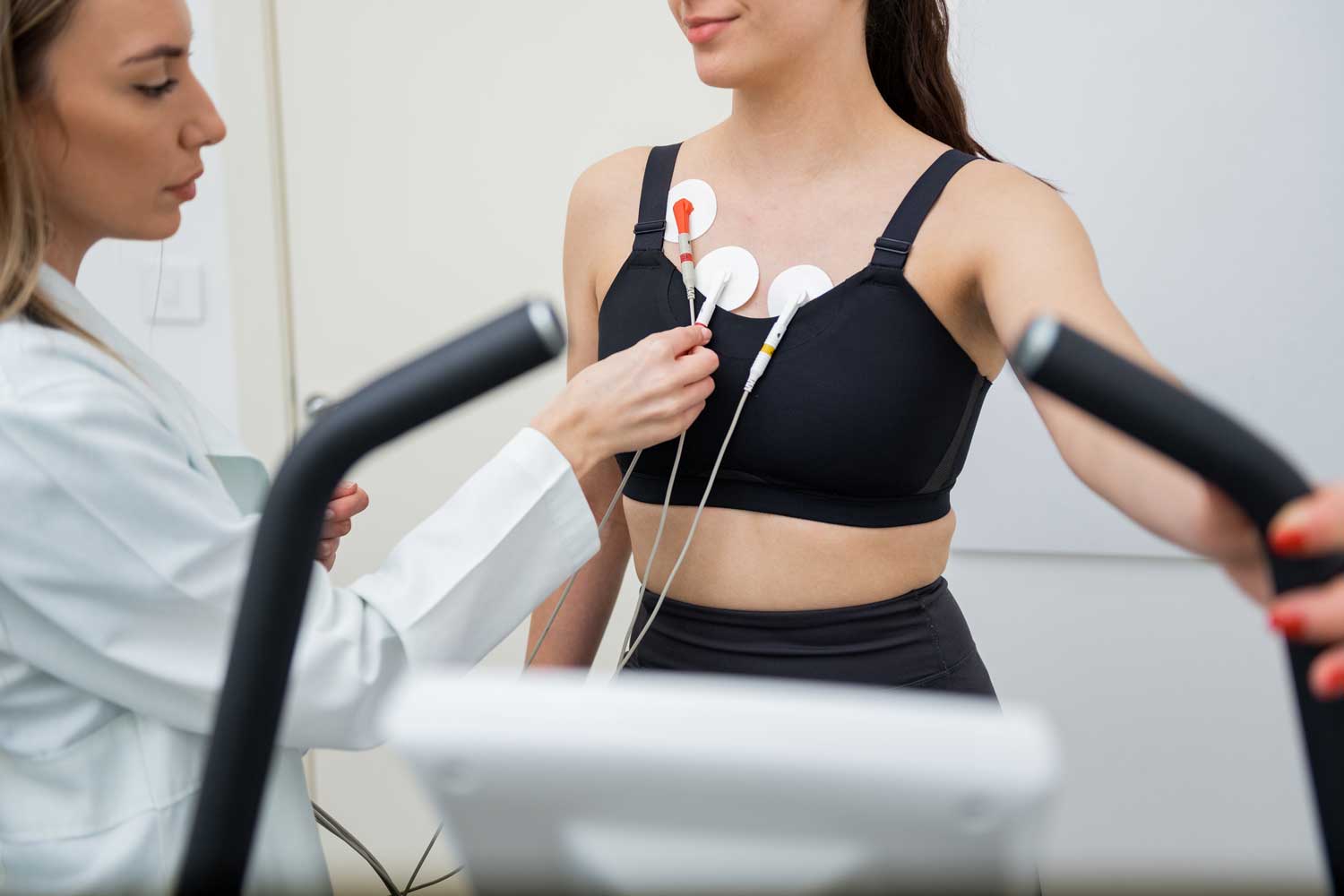
Preparing for a cardiac stress test correctly isn’t just about following instructions for its own sake — several common things patients do without thinking can significantly blunt the test’s accuracy, prevent you from reaching your target heart rate, or even require rescheduling your appointment. Understanding why each rule exists makes it much easier to follow.
The preparation rules below apply broadly to exercise stress tests, stress echocardiograms, nuclear stress tests, and pharmacological (chemical) stress tests. Your IPMC care team will give you instructions specific to your test type — always follow those first. If you have questions before your appointment, call us at 215-464-3300.
You can find IPMC’s official preparation pages here: nuclear stress test preparation and stress echocardiography preparation.
1. Don’t Have Caffeine for at Least 24 Hours Before the Test
Caffeine is the single most important thing to avoid — and the most commonly forgotten. This means no coffee, no tea (including decaffeinated — even decaf contains trace amounts of caffeine), no soda, no energy drinks, no chocolate, and no over-the-counter headache medications that contain caffeine (such as Excedrin).
Why it matters: Caffeine is an adenosine receptor blocker. Adenosine is the active compound in the vasodilator medications (regadenoson, adenosine, dipyridamole) used in chemical stress tests — meaning caffeine directly blocks their mechanism. Even for exercise-based stress tests, caffeine raises your resting heart rate and blood pressure and may prevent you from reaching the meaningful diagnostic changes the test is designed to detect. A caffeinated patient may produce a false-negative result — a test that appears normal when there is actually a problem.
The 24-hour rule applies to all types of cardiac stress tests performed at IPMC. If you accidentally consumed caffeine before your appointment, call us — the test may need to be rescheduled to ensure your results are reliable.
2. Don’t Take Beta-Blockers on the Morning of the Test
If you take a beta-blocker — such as metoprolol (Lopressor, Toprol-XL), atenolol (Tenormin), carvedilol (Coreg), bisoprolol (Zebeta), or any of the other drugs on IPMC’s medication list — do not take it on the morning of your stress test, unless your doctor specifically instructs you to continue it.
Why it matters: Beta-blockers slow the heart rate and reduce the heart’s response to exercise or pharmacological stimulation. If your heart cannot reach 85% of its predicted maximum heart rate during the test (calculated as 220 minus your age), the result may be non-diagnostic — meaning the test cannot reliably rule in or rule out coronary artery disease. A test that fails to reach target heart rate is essentially inconclusive, and you may need to return for another appointment.
Important: Never stop a beta-blocker without first confirming with your prescribing physician. Abruptly stopping beta-blockers — particularly in patients with coronary artery disease — can rarely trigger a rebound increase in heart rate and blood pressure. Your doctor will advise whether to hold the morning dose or taper. Bring your beta-blocker medication with you to the appointment.
3. Don’t Eat a Heavy Meal Beforehand
Avoid eating a large meal for at least 3 to 4 hours before your stress test. A light snack is generally acceptable — your scheduling team will advise based on your specific test type.
Why it matters: Exercising on a full stomach is uncomfortable and can cause nausea, cramping, or lightheadedness during the treadmill portion of the test. More importantly, digestion diverts blood flow to the gastrointestinal tract, which can affect ECG readings and make some test findings harder to interpret. For nuclear stress tests, fasting may be more strictly required — follow the specific instructions your care team provides.
For patients with diabetes: Do not skip meals without a plan. Talk to your doctor or diabetes care provider in advance about how to safely coordinate your medications and food intake on test day. Hypoglycemia during a treadmill test is a safety concern. A light snack and appropriate insulin adjustment are usually manageable — your care team can help you plan.
4. Don’t Smoke or Use Tobacco or Nicotine Products
Avoid smoking, vaping, chewing tobacco, and nicotine patches or gum on the day of your stress test, and ideally for several hours beforehand.
Why it matters: Nicotine raises heart rate and blood pressure and causes vasoconstriction (narrowing of blood vessels). This can interfere with how the heart responds during the test and may produce inaccurate ECG changes or blood pressure readings. Smoking-related vasoconstriction is particularly problematic for vasodilator pharmacological stress tests, where the goal is maximal coronary artery dilation.
5. Don’t Do Heavy Exercise the Day Before
Avoid strenuous physical activity — intense gym sessions, long runs, heavy lifting — in the 24 hours before your stress test. Light walking and normal daily activity are fine.
Why it matters: Vigorous exercise the day before a stress test can leave your muscles fatigued, limiting how hard you can push on the treadmill. It can also cause temporary ECG changes that linger and complicate interpretation. Arriving well rested gives the test the best chance of being both diagnostically valid and safe.
6. Don’t Apply Lotions, Oils, or Powders to Your Chest
On the day of your test, avoid applying lotion, body oil, powder, or any skin preparation to your chest or torso.
Why it matters: ECG electrodes must make firm, direct contact with your skin to record an accurate electrical signal from your heart. Lotion, oil, or powder creates a barrier between the electrode adhesive and the skin, causing poor signal quality, artifact on the recording, and potentially missed or misinterpreted ECG changes. Even a small amount of residue can significantly degrade electrode contact.
7. Don’t Take Asthma Inhalers Without Checking With Your Doctor
Certain bronchodilator inhalers — particularly short-acting beta-2 agonists such as albuterol (Ventolin, ProAir) — can increase heart rate and may affect the accuracy of stress ECG findings. Check with your doctor before using your inhaler on the morning of the test.
Why it matters: For patients with mild asthma or COPD who need bronchodilator medications for comfort during exercise, your care team can advise whether use before the test is appropriate or whether a pharmacological stress test using dobutamine (which avoids the airway concerns associated with vasodilator agents) is a better option for you.
8. Don’t Wear Restrictive Clothing or Dress Shoes
For exercise-based stress tests and stress echocardiograms, wear comfortable, loose-fitting clothing and supportive athletic shoes with laces. Avoid dresses, skirts, dress shoes, sandals, or any footwear that makes brisk treadmill walking difficult or unsafe.
For pharmacological (chemical) stress tests where no exercise is required, comfortable two-piece clothing is still preferred since ECG electrodes will be placed on your chest. Leave jewelry at home or be prepared to remove it.
9. Don’t Skip Your Other Medications
Unless your doctor specifically tells you to hold a medication (as with beta-blockers, discussed above), take all other medications as usual on the morning of your test. This includes blood pressure medications, diabetes drugs, cholesterol medications, thyroid medications, and most others.
Bring a complete, up-to-date list of every medication you take — including over-the-counter drugs and supplements — to your appointment. Your care team reviews this to flag any potential interactions and ensure the results are interpreted correctly in the context of your medications.
10. Don’t Worry — But Do Tell the Team About Symptoms
Some anxiety before a cardiac test is normal — but try not to let it spiral. Extreme anxiety can elevate your resting heart rate and blood pressure before the test begins, which affects baseline measurements. If you have concerns about the test itself, call us before your appointment and we can walk you through exactly what to expect.
Most importantly: during the test, tell the team immediately if you feel chest pain or pressure, severe shortness of breath, dizziness, lightheadedness, or any symptom that feels unusual. The test is stopped the moment you report a concerning symptom. You are continuously monitored throughout by our cardiology team, and emergency equipment is on hand.
What You Should Do Before Your Stress Test
The flip side of the “don’ts” is just as important:
- Stay well hydrated. Drink plenty of water in the 24 hours before your test. Good hydration helps with IV placement, electrode contact, and overall cardiovascular performance during exercise.
- Get a good night’s sleep. Rest helps you perform your best on the treadmill and arrive feeling calm and focused.
- Bring your medication list. A complete list of all prescriptions, over-the-counter drugs, vitamins, and supplements.
- Arrive early. Give yourself a few extra minutes for check-in and paperwork. Rushing to your appointment elevates your heart rate before the test even begins.
- Know your test type. Different stress tests have different prep rules. Review the specific instructions for your test: nuclear stress test or stress echocardiography.
Nuclear Medicine at IPMC
Why Choose IPMC for Nuclear Medicine Test in Philadelphia
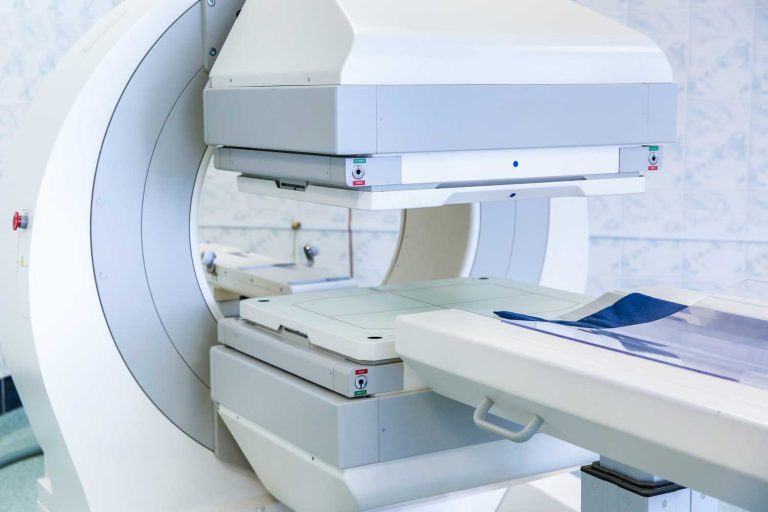
Advanced Nuclear Medicine Technology
High-quality imaging helps your physician see what’s happening inside your body clearly.
Convenient Location and Flexible Hours
Easily accessible with onsite parking. Open Monday–Friday from 8AM to 8PM to fit your schedule.
Comfortable Outpatient Experience
Fast Appointments & Quick Results
Schedule Your Stress Test at IPMC in Philadelphia
Ready to schedule your cardiac stress test in Northeast Philadelphia? IPMC provides expert, comfortable outpatient cardiac testing — with clear preparation instructions and results sent directly to your physician.
- Call 215-464-3300 to schedule your appointment.
- 9908 E. Roosevelt Blvd., Philadelphia, PA 19115
At IPMC, we believe nuclear imaging should be personal, efficient, and coordinated with your overall care plan — helping you and your doctor make confident decisions about your heart and vascular health.