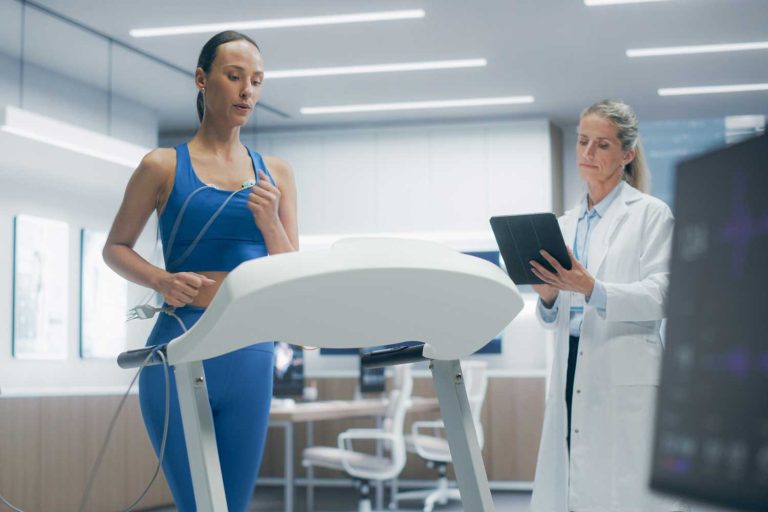
Not everyone can walk on a treadmill — but that shouldn’t prevent anyone from getting a thorough evaluation of their heart. A chemical stress test, also called a pharmacological stress test, uses medication administered through an IV to safely simulate the cardiovascular effects of exercise on your heart. It produces the same diagnostic information as a treadmill-based stress test, without requiring you to walk, run, or exert yourself at all.
At Independent Physicians Medical Center (IPMC) in Northeast Philadelphia, our cardiology team offers chemical stress testing for patients who cannot perform exercise stress testing — ensuring that everyone has access to essential cardiac evaluation, regardless of physical limitations.
What Is a Chemical Stress Test and How Does It Work?
A chemical stress test uses a medication given through a small IV in your arm to artificially increase the workload on your heart. The medication works in one of two ways depending on which drug is used:
Vasodilator agents (regadenoson, adenosine, dipyridamole) dilate the coronary arteries, causing them to dramatically increase blood flow. Healthy arteries respond by widening fully; arteries narrowed by plaque cannot dilate as well, creating an uneven distribution of blood flow. This “flow mismatch” is exactly what the imaging captures — revealing areas of the heart that are not receiving adequate blood supply, a hallmark of coronary artery disease (CAD).
Inotropic agents (dobutamine) directly stimulate the heart muscle to beat faster and harder, mimicking the physiological demand of vigorous exercise. This increases oxygen demand in the heart, and areas fed by narrowed arteries become visibly impaired on the imaging.
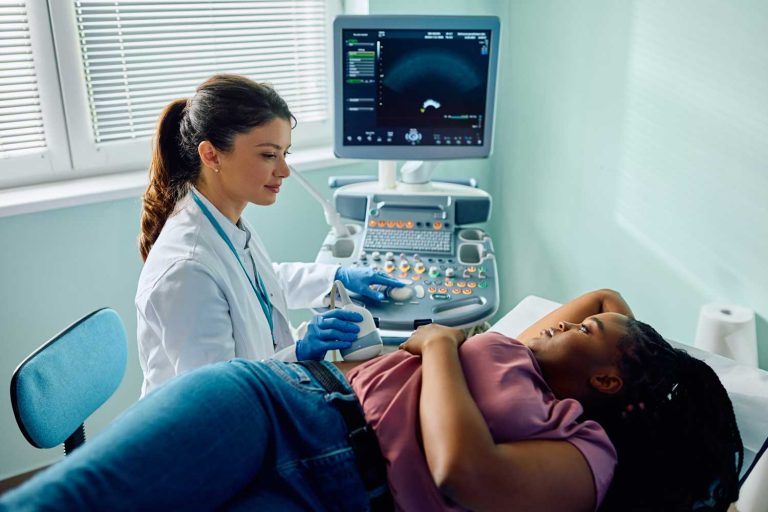
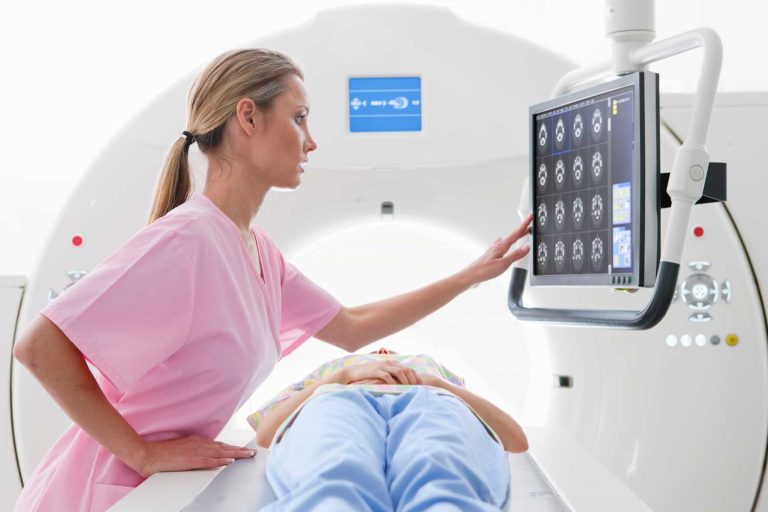
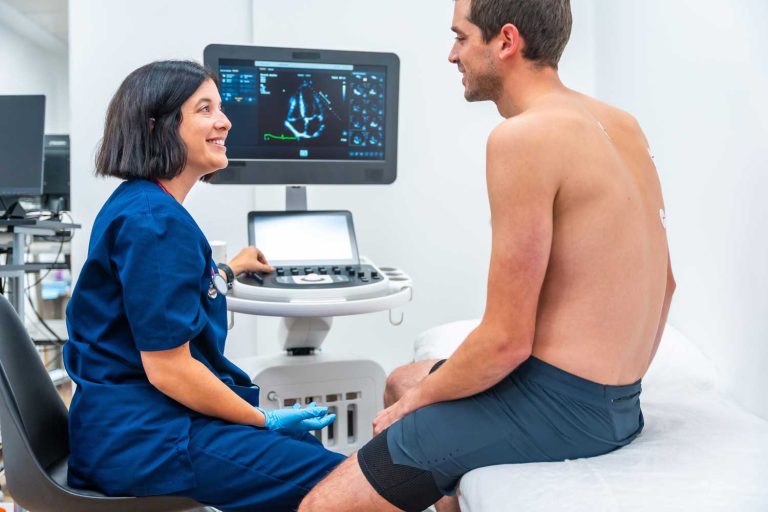
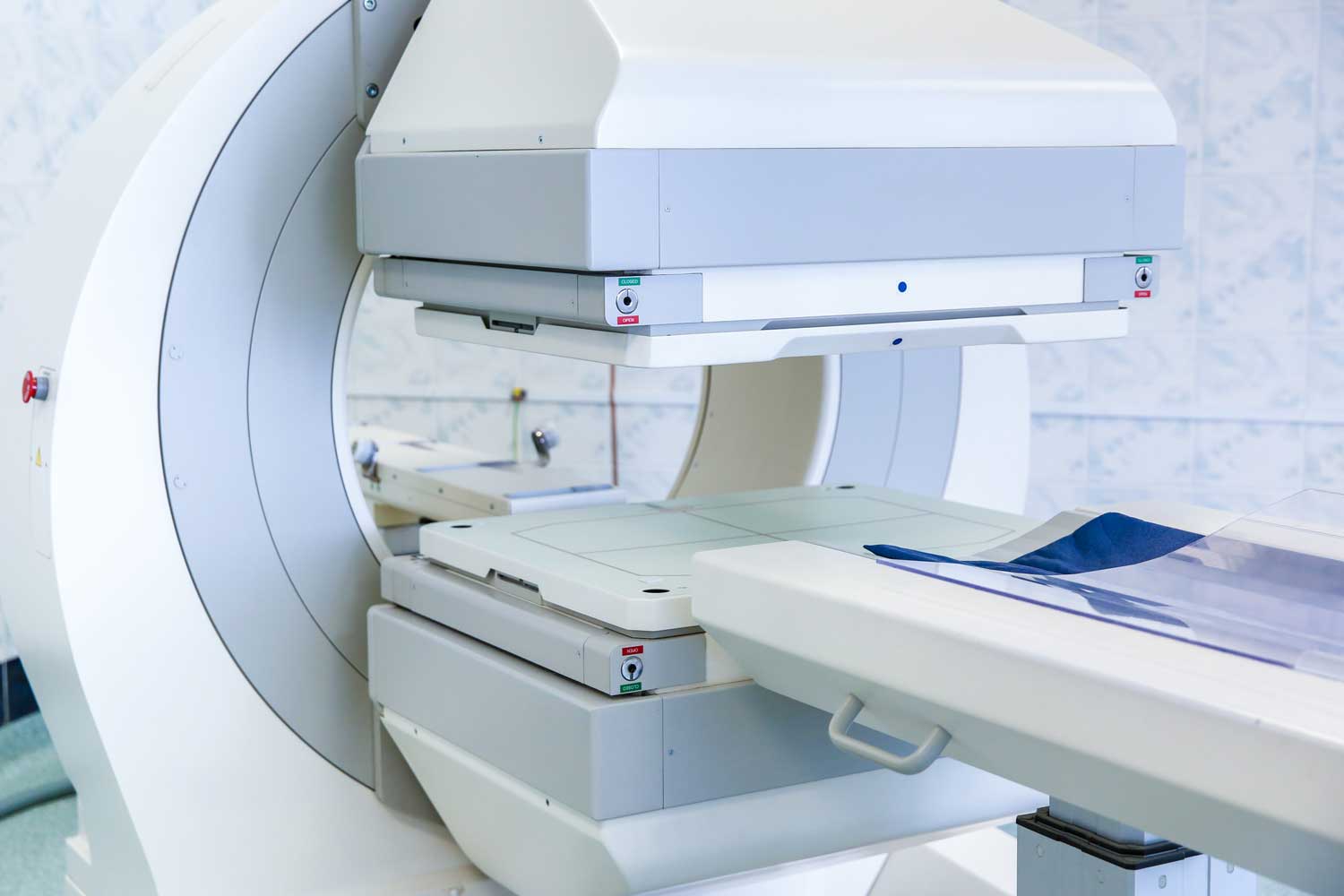
The medication is always combined with cardiac imaging — either stress echocardiography (ultrasound of the heart) or nuclear perfusion imaging (a radioactive tracer and gamma camera) — to capture pictures of how the heart muscle responds under this pharmacological stress. These images are compared with resting images to identify areas of ischemia (reduced blood flow) or prior heart attack damage.
According to the American Heart Association, pharmacological stress testing has sensitivity and specificity for detecting coronary artery disease comparable to exercise stress testing — making it a fully equivalent diagnostic alternative for patients who cannot exercise adequately.
Who Needs a Chemical Stress Test?
Your cardiologist may recommend a pharmacological stress test instead of a treadmill test if you:
- Have joint, leg, or back problems — arthritis, knee or hip replacement, neuropathy, or injury — that prevent safe treadmill walking
- Use a wheelchair, walker, or have limited mobility for any reason
- Have severe lung disease (COPD or severe asthma) that makes vigorous aerobic exercise impossible. Note: for patients with active bronchospasm, dobutamine is typically preferred over vasodilator agents, which can worsen bronchospasm.
- Are unable to reach an adequate heart rate during exercise — some patients cannot achieve 85% of their predicted maximum heart rate (220 minus age), which is needed for a diagnostically valid exercise test
- Are elderly or significantly deconditioned and cannot exercise safely to target heart rate
- Have a left bundle branch block (LBBB) on their resting ECG — exercise can produce false-positive ECG changes in this setting, making vasodilator pharmacological stress the preferred approach for accurate results
- Have a pacemaker or other condition in which exercise ECG interpretation would be unreliable
The choice between an exercise stress test and a chemical stress test is made by your cardiologist based on your medical history, physical ability, and the specific clinical question being answered. If you can exercise safely to an adequate heart rate, a treadmill stress test or stress echocardiogram is generally preferred because exercise provides additional information about functional capacity and blood pressure response.
Which Medications Are Used?
There are four pharmacological agents used in chemical stress testing, each with distinct characteristics. Your cardiologist will select the most appropriate agent based on your medical history, medications, lung function, and the imaging modality being used.
Regadenoson (Lexiscan) is the most widely used agent in the United States today. It is a selective adenosine A2A receptor agonist given as a single rapid IV injection. It increases coronary blood flow within seconds, has a short and predictable duration of action, and is well tolerated. Regadenoson does not require weight-based dosing, making it simple and standardized to administer.
Adenosine is a direct coronary vasodilator infused continuously over 4 to 6 minutes. It has an extremely short half-life of less than 10 seconds, which means any side effects resolve almost immediately once the infusion stops. Adenosine and dipyridamole should be used with caution or avoided in patients with reactive airway disease.
Dipyridamole (Persantine) is another vasodilator infused over 4 minutes. It has a longer duration of action than adenosine, and aminophylline (an antidote) may be administered after imaging to reverse its effects if needed.
Dobutamine works differently from the vasodilators — it directly stimulates beta-adrenergic receptors to increase heart rate and contractility, mimicking the effects of exercise on the heart rather than dilating the arteries. Dobutamine is used when vasodilators are contraindicated, such as in patients with severe asthma or COPD, or in patients with certain heart rhythm conditions. It is the preferred agent for stress echocardiography in patients who cannot exercise.
How to Prepare for a Chemical Stress Test
Preparation for a pharmacological stress test is similar to preparation for a treadmill stress test, with a few critical differences depending on the agent used.
Caffeine — avoid for 24 hours. This is essential, particularly for tests using vasodilator agents (regadenoson, adenosine, dipyridamole). Caffeine is an adenosine receptor antagonist, meaning it directly blocks the mechanism of action of these medications, potentially rendering the test non-diagnostic. Avoid all coffee, tea (including decaffeinated), soda, chocolate, and energy drinks for at least 24 hours before the test.
Food. You may be asked to fast or eat only a light meal before the test. Your scheduling team will give you specific instructions. Staying well hydrated with water is encouraged.
Medications. Certain heart medications may need to be held before the test. For dobutamine-based studies, beta-blockers should typically not be taken on the day of the test as they blunt the heart rate response. Your cardiologist or their office will provide specific medication instructions tailored to your regimen — never stop any medication without confirming with your prescribing physician.
Clothing. Comfortable, loose-fitting clothing is ideal. You will not need to exercise, but ECG electrodes will be placed on your chest, so a two-piece outfit makes preparation easier. Avoid applying lotion to your chest on the day of the test.
What Happens During a Chemical Stress Test at IPMC?
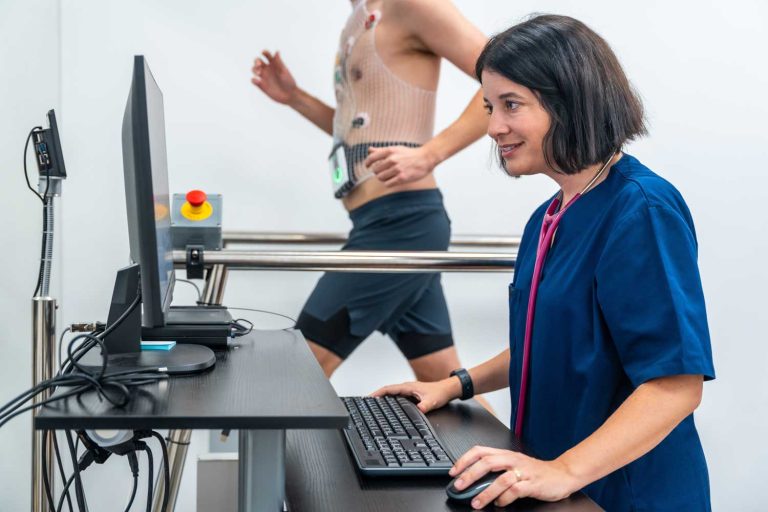
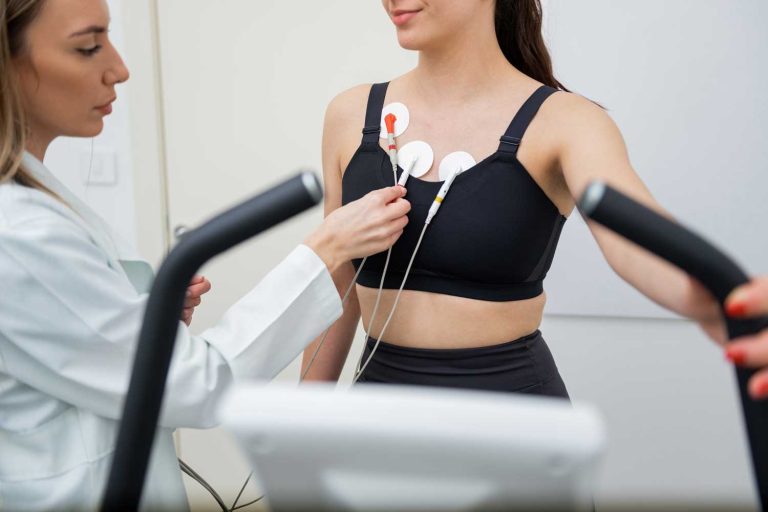
When you arrive, a small IV line is placed in your arm. ECG electrodes are attached to your chest for continuous heart rhythm monitoring throughout the test, and a blood pressure cuff records your blood pressure at regular intervals.
A resting echocardiogram or nuclear scan is performed first to establish baseline images of your heart at rest. Then the stress medication is administered through your IV. Depending on the agent, it may be given as a rapid single injection (regadenoson) or a timed infusion over several minutes (adenosine, dipyridamole, dobutamine). The imaging agent — either an ultrasound transducer for echo or a radioactive tracer for nuclear imaging — captures pictures of your heart as the medication takes effect.
Common side effects during vasodilator stress include a warm or flushing sensation, mild chest tightness or heaviness, headache, shortness of breath, and nausea. These effects are temporary and typically resolve within 1 to 3 minutes once the medication wears off or after aminophylline (an antidote) is administered. Always tell the team immediately if you experience any symptoms during the test.
Common side effects during dobutamine stress include a racing heartbeat, warmth, and mild chest pressure — sensations similar to vigorous exercise, which stop quickly when the infusion is discontinued.
The total appointment takes approximately 60 to 90 minutes if echocardiography is used for imaging, or 3 to 4 hours if nuclear imaging is used (nuclear studies require two separate image acquisitions separated by a rest period). You can return to your normal routine the same day. Drink plenty of water afterward, especially if nuclear imaging was performed.
After Your Chemical Stress Test: Results and Next Steps
After the exam, a board-certified cardiologist reviews the resting and stress images side by side and prepares a detailed report for your referring physician. Caffeine can typically be resumed as soon as the test is complete — and after a vasodilator test, many patients actually enjoy a cup of coffee provided at our center to help clear any residual side effects.
Results are typically sent to your doctor within 24 to 48 hours. Depending on the findings, your physician may recommend continued medical management, adjustment of heart medications, referral for coronary angiography (cardiac catheterization), or a follow-up echocardiogram or other cardiac study. A normal result significantly reduces the likelihood of significant coronary artery disease and helps guide safe participation in exercise and activity.
Nuclear Medicine at IPMC
Why Choose IPMC for Your Chemical Stress Test in Philadelphia?
Cardiac Testing for Every Patient
Physical limitations should never be a barrier to essential heart care. IPMC’s cardiology team is experienced with the full range of pharmacological stress agents and imaging modalities — ensuring every patient, regardless of mobility or lung function, can receive a complete cardiac evaluation. Meet our cardiologists.
Integrated Cardiology and Imaging
IPMC offers chemical stress testing with both echocardiographic and nuclear imaging options, alongside the full spectrum of cardiac studies: standard stress testing, exercise stress echocardiography, and resting echocardiography — all at one convenient Northeast Philadelphia location.
Comfortable Outpatient Experience
Convenient Location and Flexible Hours
Located at 9908 E. Roosevelt Blvd. in Northeast Philadelphia with onsite parking. Open Monday–Friday, 8AM–8PM. We accept most major insurance plans.
Schedule Your Chemical Stress Test at IPMC in Philadelphia
If your doctor has recommended a pharmacological stress test in Philadelphia, IPMC provides expert cardiac imaging in a comfortable outpatient setting in Northeast Philadelphia — with results sent directly to your cardiologist or referring physician.
- Call 215-464-3300 to schedule your appointment.
- 9908 E. Roosevelt Blvd., Philadelphia, PA 19115
At IPMC, we believe nuclear imaging should be personal, efficient, and coordinated with your overall care plan — helping you and your doctor make confident decisions about your heart and vascular health.