Ultrasound for Liver Cancer: Detection, Screening, and Monitoring

Ultrasound for Liver Cancer: Detection, Screening, and Monitoring

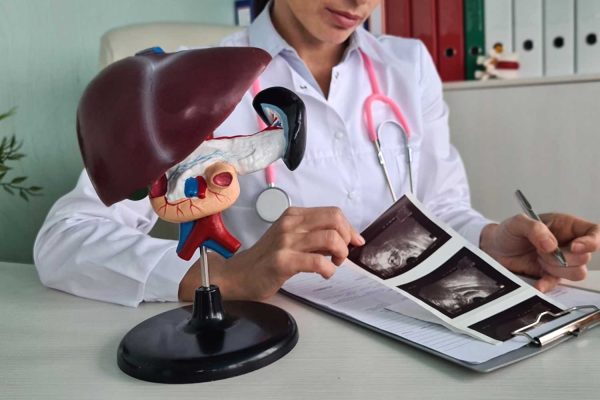
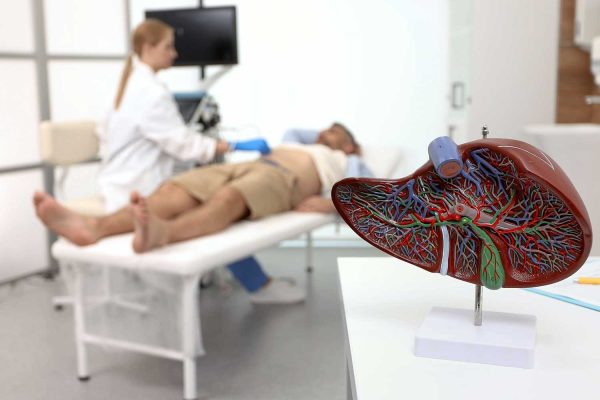
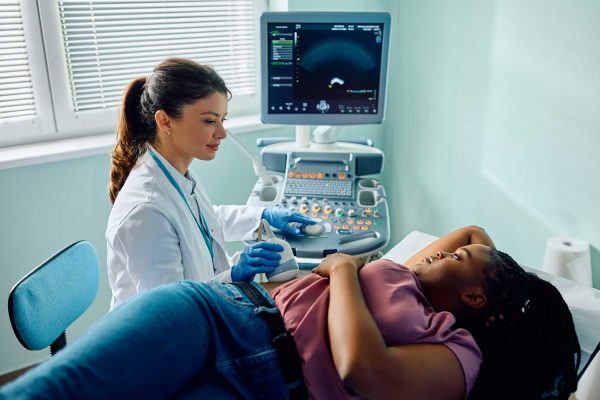
Ultrasound is often the first imaging test used when liver cancer is suspected or when patients at high risk need regular screening. It provides a safe, radiation-free, and widely accessible way to examine the liver and detect abnormalities that may require further investigation. For patients with chronic liver disease, regular ultrasound screening can be lifesaving by catching liver cancer at its earliest, most treatable stage.

Abdominal Ultrasound: A Safe, Comprehensive Look at Your Internal Organs

Abdominal Ultrasound: A Safe, Comprehensive Look at Your Internal Organs

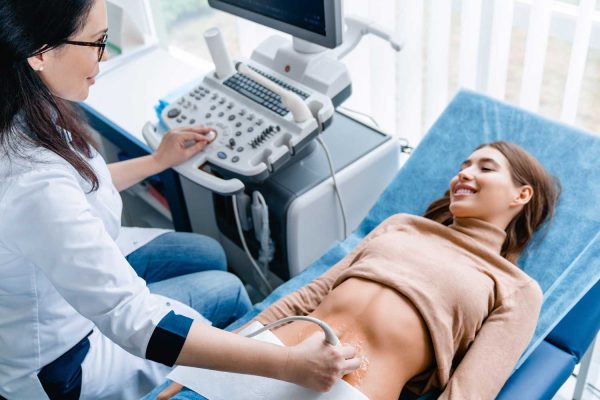
An abdominal ultrasound is one of the most frequently performed imaging tests in medicine, providing your doctor with a real-time, radiation-free view of the organs inside your abdomen. It’s often the first imaging study ordered for abdominal symptoms because it’s safe, widely available, painless, relatively inexpensive, and highly effective at detecting a wide range of conditions.

Abnormal Liver Ultrasound: What It Means and What to Do Next

If your doctor has told you that your liver ultrasound showed abnormal results, it’s completely natural to feel worried. However, it’s important to know that an abnormal finding doesn’t necessarily mean something serious is wrong. Many common liver conditions are treatable or manageable, and some findings are entirely benign. Understanding what an abnormal liver ultrasound may show can help you feel more informed and prepared for the conversation with your doctor.

Can an Ultrasound Detect Stomach Ulcers? What You Need to Know

If you’re experiencing burning stomach pain, nausea, bloating, or other digestive symptoms, you may wonder whether an ultrasound can find a stomach ulcer. While ultrasound is an excellent tool for many abdominal conditions, its ability to directly detect stomach ulcers is limited. Understanding what ultrasound can and cannot show is important for getting the right diagnosis and treatment.

Can Ultrasound Detect Pancreatic Cancer? Understanding the Role of Imaging

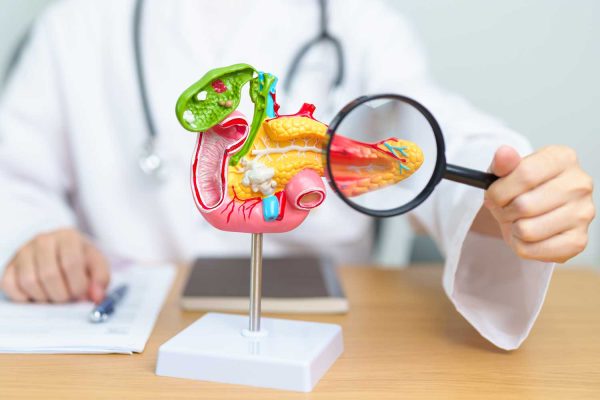
Pancreatic cancer is one of the most challenging cancers to detect early, largely because the pancreas is located deep within the abdomen behind the stomach and intestines. Ultrasound is often one of the first imaging tools used when a doctor suspects a pancreatic problem, but understanding both its capabilities and its limitations is important for getting the best possible care.

Carotid Duplex Ultrasound: Assessing Blood Flow to Your Brain and Stroke Risk

The carotid arteries are two large blood vessels — one on each side of your neck — that carry oxygen-rich blood from your heart to your brain. When these arteries become narrowed or blocked by plaque buildup (a condition called carotid artery stenosis or atherosclerosis), it can significantly increase your risk of stroke. A carotid duplex ultrasound is a safe, painless, and highly informative test that evaluates the health of these critical blood vessels.

Gallbladder Ultrasound: The Best First Test for Gallstones and Biliary Problems

Ultrasound is universally recognized as the first and best imaging test for evaluating the gallbladder. It is fast, accurate, completely painless, uses no radiation, and is highly sensitive at detecting gallstones — the most common gallbladder problem. If you’re experiencing pain in your upper abdomen, especially after eating, your doctor will very likely start with a gallbladder ultrasound.