Mammogram Truths, Myths and Tips
Women whose breast cancer is detected at an early stage have a 93% or higher survival rate in the first five years.
CALL: 215-464-3300
HOURS: Mon–Fri: 8am–8pm
|
Women whose breast cancer is detected at an early stage have a 93% or higher survival rate in the first five years.
Learn about early signs of breast cancer, prevention tips, and when to seek medical advice. Early detection saves lives.
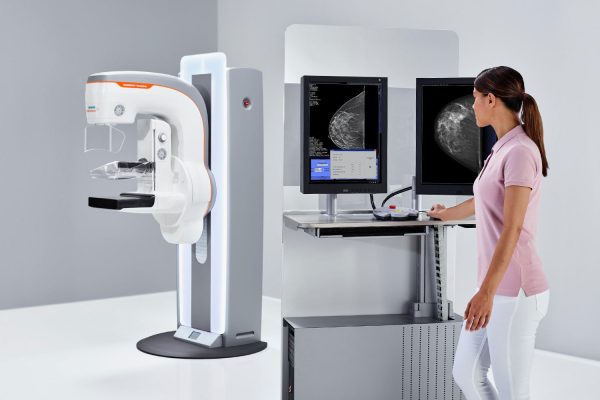
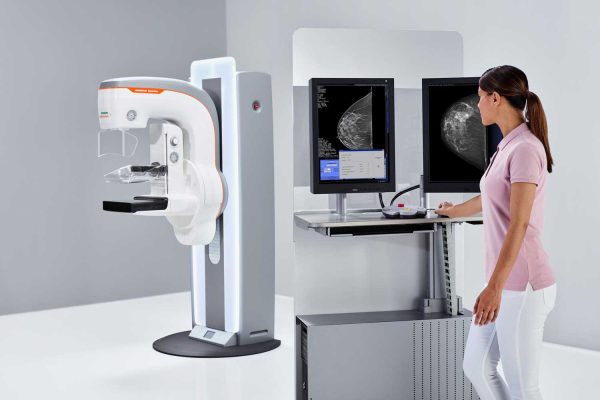
Discover advanced breast cancer screening at IPMC with 3D wide-angle tomosynthesis. Get clearer, more accurate mammogram results and greater peace of mind.
Breast cancer is still the most common cancer in women. However, the chances of surviving breast cancer are higher the earlier it is detected and treated. Self-examinations and regular screenings are the best way to detect changes in your anatomy.
Cras accumsan volutpat enim non porttitor. Ut et ligula vel urna accumsan placerat. Pellentesque habitant morbi egestas enim ut nibh faucibu consectetur varius sem id felis scelerisque tristique!
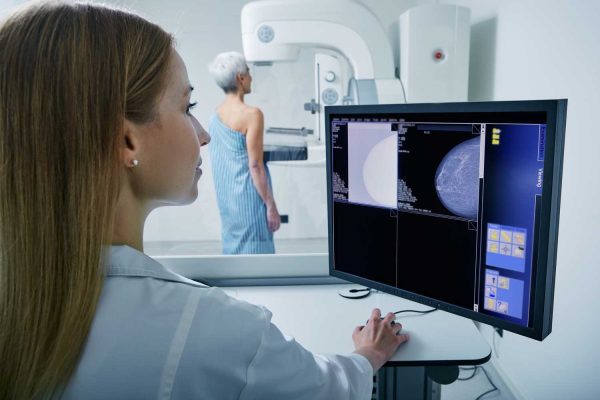
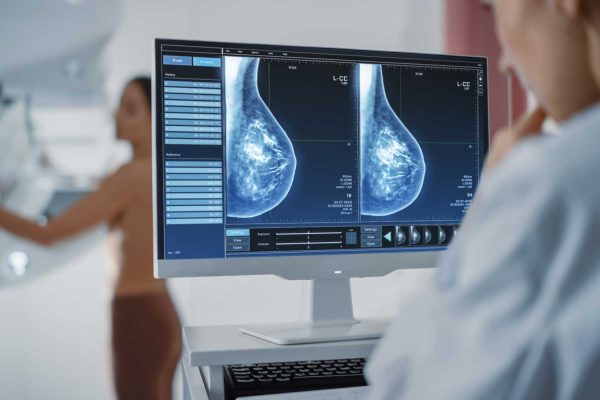
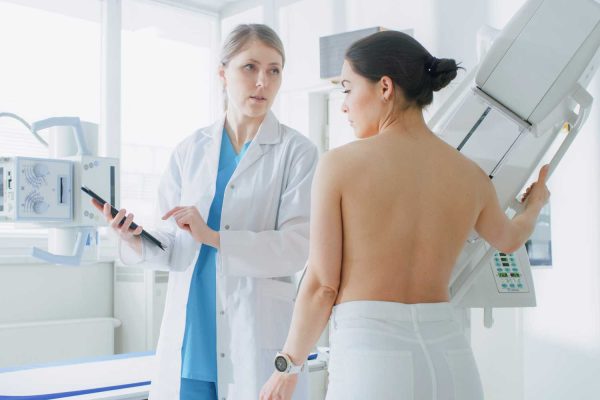
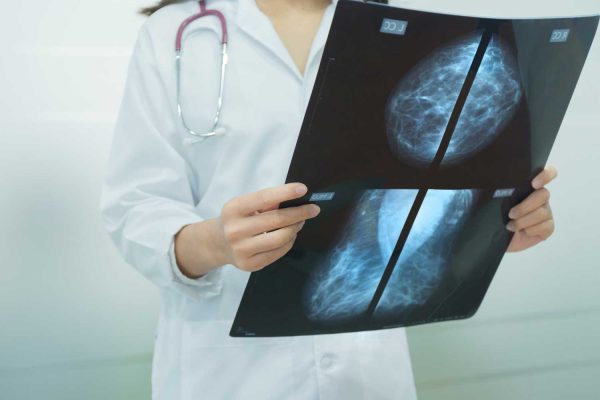
Breast cancer is most treatable when it’s found early — and mammography is one of the best tools doctors use to detect it before symptoms appear. Screening mammograms identify small changes in breast tissue that might suggest cancer, helping guide further evaluation and treatment.
Detecting breast cancer before symptoms appear greatly increases the chances of successful treatment and long-term survival. This is why regular screening and early awareness are cornerstones of effective breast health care — including mammograms, clinical exams, and supplemental imaging when needed.
If you’ve heard that mammogram screening might start before age 40, you’re not alone — ongoing research suggests that for some women, earlier breast cancer screening may be beneficial. Traditionally, most guidelines recommend routine mammography beginning around age 40, but experts emphasize the importance of personalized risk assessment.
Leave your details, and we’ll call you back.