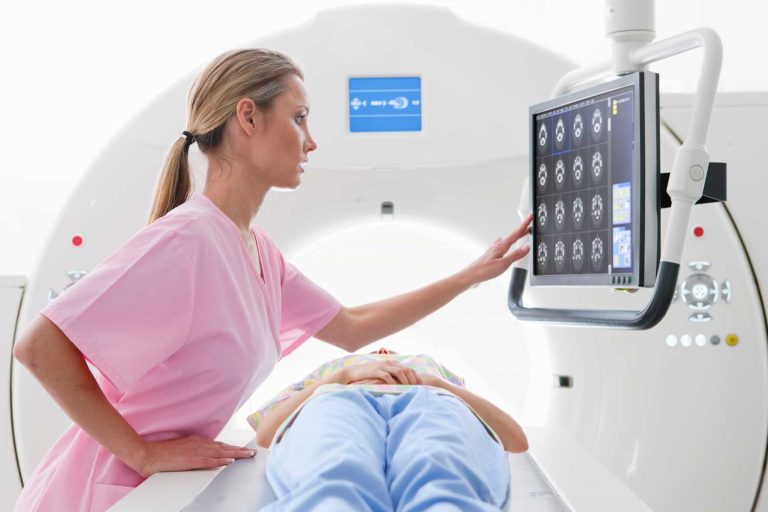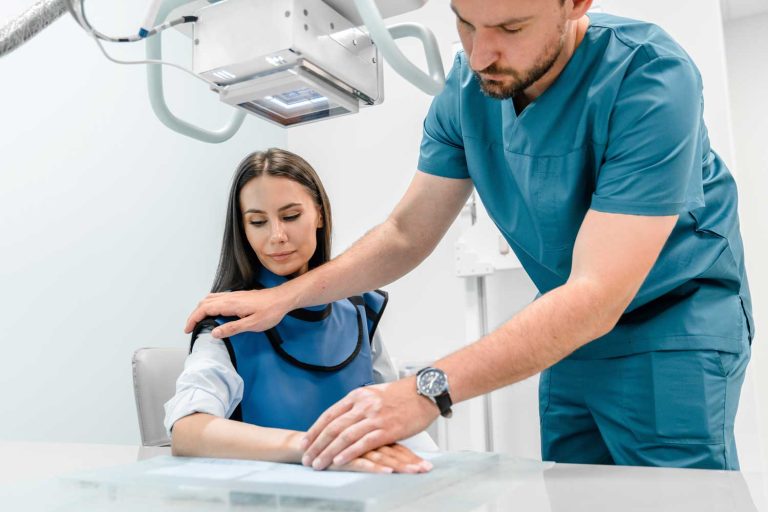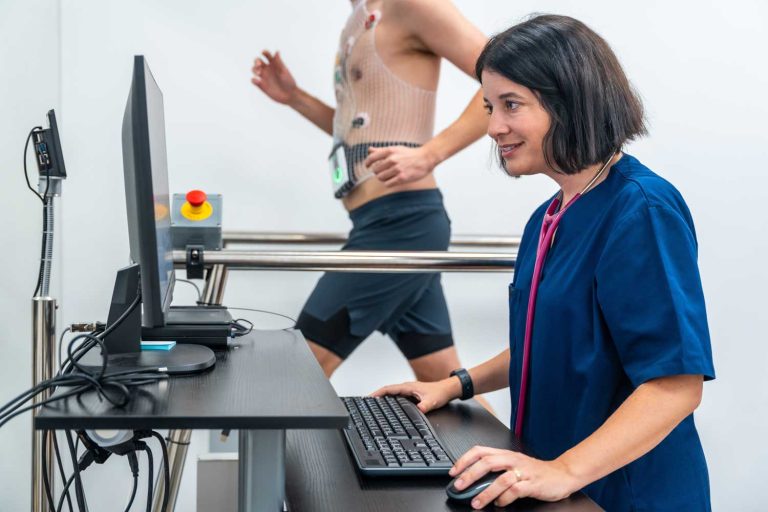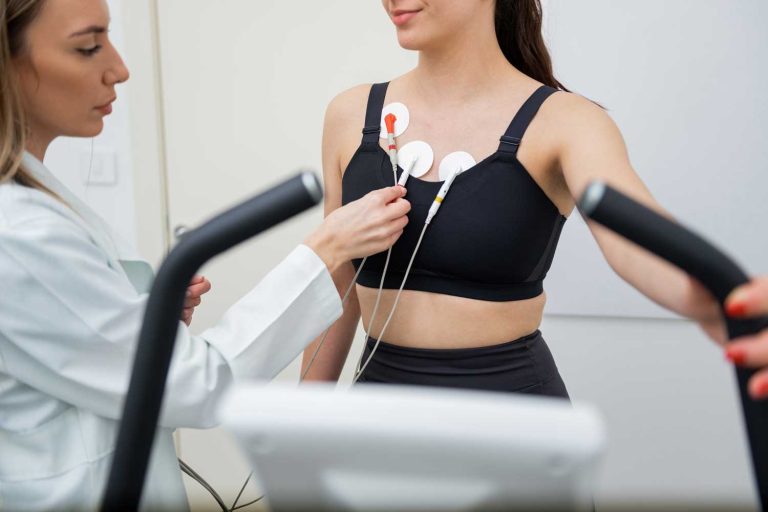
The nuclear stress test itself takes 3 to 4 hours — but for many patients, the first question after leaving is: What do I do now? The small amount of radioactive tracer used in the test does remain in your body for a short time after the appointment, and there are a handful of simple, practical precautions to follow. Most are brief — measured in hours, not days — and none require significant lifestyle disruption.
At IPMC in Northeast Philadelphia, our cardiology team reviews aftercare instructions with every patient before they leave. This guide covers everything you need to know.
The First Thing to Know: You Can Resume Normal Life Right Away
There is no recovery time after a nuclear stress test. You can:
- Drive yourself home — unless you received a sedative or your test used dobutamine, in which case your team will advise you to have a driver.
- Eat normally. In fact, having a small meal shortly after the test is encouraged — especially if you fasted beforehand. Your blood sugar and energy will thank you.
- Resume caffeine as soon as the test is complete. If you had a pharmacological (chemical) stress test using a vasodilator agent, caffeine was restricted for 24 hours before the test. After the test, that restriction is over — many facilities even offer coffee at the end of the appointment to help clear any residual side effects from the medication.
- Return to work and normal activity unless your test results prompt specific restrictions from your cardiologist.
Hydration: Drink Extra Water for 24 Hours
Staying well hydrated after the test is one of the most helpful things you can do. Your kidneys are the primary route by which your body clears the radioactive tracer — technetium-99m sestamibi and similar agents are excreted mainly in urine. Drinking extra water speeds this process significantly.
Aim for six to eight 8-ounce glasses of water throughout the remainder of test day and into the following morning. There is no need for any special “detox” regimen, supplements, or dietary changes — water is the best and only practical tool for accelerating tracer clearance. Washing your hands regularly and showering after the test are also helpful minor steps.
Contact Precautions: Children, Infants, and Pregnant Women
After the test, a very small amount of radioactivity remains in your body temporarily. While this poses no meaningful risk to you or healthy adults around you, a few short-term contact precautions are recommended for more sensitive individuals.
Infants and young children are more radiosensitive than adults because their bodies are still developing. For the first few hours after your test — typically until the end of the day — minimize prolonged close contact with children under age 3. Ordinary brief interactions are fine; just avoid holding an infant against your body for extended periods during this window. By the following day, no restrictions apply for most technetium-based tracers.
Pregnant women should not have close, prolonged contact with you for the first several hours after the test. Again, brief interactions are fine — the precaution is about minimizing extended proximity during the period of highest residual radioactivity.
These precautions are standard and conservative. The radioactivity decreases rapidly — within 48 hours it is essentially undetectable for technetium-99m tracers, which are used in the majority of nuclear stress tests at IPMC. Thallium-201, used in some protocols, has a longer half-life and may require slightly longer precaution periods; your care team will specify if this applies to you.
Breastfeeding After a Nuclear Stress Test
If you are breastfeeding, the radioactive tracer can pass into breast milk for a period after the test. The exact duration depends on the specific tracer used, but as a general guideline:
- Continue pumping as usual after the test to maintain your milk supply, but discard the pumped milk rather than using it for feeding during the first 24 to 48 hours (or longer if your care team specifies).
- Use stored milk pumped before the test, or formula, during this period.
- If you have concerns about a specific milk sample, the facility that performed the test can often test its safety.
If you are breastfeeding, always inform your care team before the test so they can advise on the specific tracer being used, the recommended precaution period, and how to plan your feeding schedule around the appointment.
Air Travel After a Nuclear Stress Test
This is one aftercare point many patients don’t anticipate: if you plan to fly within 24 to 48 hours of your nuclear stress test, be aware that the residual radioactivity in your body may trigger sensitive radiation detection equipment at airport security checkpoints. This is harmless and is not a health concern — but it can flag you for additional screening.
If air travel is planned shortly after your test, ask IPMC for a brief documentation letter confirming that you recently had a nuclear medicine study. TSA officers and airport security personnel are familiar with this situation.
Managing Side Effects from Pharmacological Stress Agents
If you had a pharmacological (chemical) nuclear stress test — using medication rather than treadmill exercise — you may experience some temporary side effects from the stress agent used. These are normal and self-limiting.
From vasodilator agents (regadenoson, adenosine, dipyridamole), common side effects include a warm or flushing sensation, mild chest heaviness, headache, shortness of breath, and occasionally nausea or dizziness. These typically resolve within minutes to an hour after the medication clears. If aminophylline (an antidote) was given after your imaging, you may feel briefly jittery — this is also temporary.
From dobutamine, you may notice a racing heartbeat, warmth, or a sensation similar to vigorous exercise — again, resolving quickly after the infusion is stopped.
Caffeine, interestingly, helps reverse the effects of vasodilator agents by competing at the same adenosine receptors — which is one reason many facilities offer coffee or tea at the end of the appointment.
Most patients feel completely normal within a few hours of the test. If you feel tired, light rest is entirely reasonable — but no special precautions are needed for general fatigue after a nuclear stress test.
When to Call Your Doctor or Seek Emergency Care
The vast majority of patients have no concerning symptoms after a nuclear stress test. However, contact your doctor promptly — or call 911 / go to an emergency room — if you experience any of the following after leaving the facility:
- Chest pain or pressure that is new, persistent, or getting worse
- Severe shortness of breath that is not explained by exertion
- Irregular or very rapid heartbeat that does not resolve quickly
- Fainting or near-fainting
- Persistent dizziness or lightheadedness beyond a few hours
- Signs of an allergic reaction to the tracer — hives, facial swelling, or difficulty breathing (rare)
When seeking care, always inform the doctor or emergency room staff that you recently had a nuclear stress test and what tracer was used. This context is relevant for evaluating any cardiac symptoms.
When Will You Get Your Results?
After the test, a board-certified cardiologist reviews both the resting and stress images in detail and prepares a written report for your referring physician. Results are typically available within a few days. Your caffeine restriction can be resumed the same day — it was only required before the test to ensure accuracy.
Your referring doctor will contact you to discuss the findings and any recommended next steps, which may range from reassurance and continued monitoring to medication adjustment or referral for coronary angiography if significant blockages are found. For more on what results mean, see our guide to stress test results by age.
If you had abnormal results and are wondering what comes next, your cardiologist may also discuss a stress echocardiogram for additional functional detail, or refer you for coronary CT angiography or cardiac catheterization depending on the severity of findings.
How Long Are You Radioactive After a Nuclear Stress Test?
This is one of the most common questions after the test. The answer depends on which tracer was used, but for the most common agent — technetium-99m (Tc-99m sestamibi or tetrofosmin) — radioactivity is essentially undetectable within 24 to 48 hours. Technetium-99m has a half-life of approximately 6 hours, meaning that by the time you wake up the next morning, most of the radioactivity has already decayed.
Thallium-201, occasionally used in certain protocols, has a longer half-life (approximately 73 hours) and may take several days to fully clear. If thallium was used in your test, your care team will provide specific guidance on extended precaution periods.
To put the radiation in perspective: the dose from a nuclear stress test (typically 9–12 mSv for technetium-based studies) is comparable to the radiation exposure from 3 to 4 years of natural background radiation. It is considered safe by all major cardiology and nuclear medicine organizations, and the diagnostic benefit in detecting or ruling out significant coronary artery disease far outweighs the theoretical risk.
Nuclear Medicine at IPMC
Why Choose IPMC for Nuclear Stress Testing in Philadelphia
Advanced Nuclear Medicine Technology
High-quality imaging helps your physician see what’s happening inside your body clearly.
Convenient Location and Flexible Hours
Easily accessible with onsite parking. Open Monday–Friday from 8AM to 8PM to fit your schedule.
Comfortable Outpatient Experience
Fast Appointments & Quick Results
Questions About Your Nuclear Stress Test? Call IPMC
Whether you’re preparing for a test or following up afterward, IPMC’s cardiology team in Northeast Philadelphia is here to help. Call us with any questions — or to schedule your next cardiac study.
- Call 215-464-3300 to schedule your appointment.
- 9908 E. Roosevelt Blvd., Philadelphia, PA 19115
At IPMC, we believe nuclear imaging should be personal, efficient, and coordinated with your overall care plan — helping you and your doctor make confident decisions about your heart and vascular health.