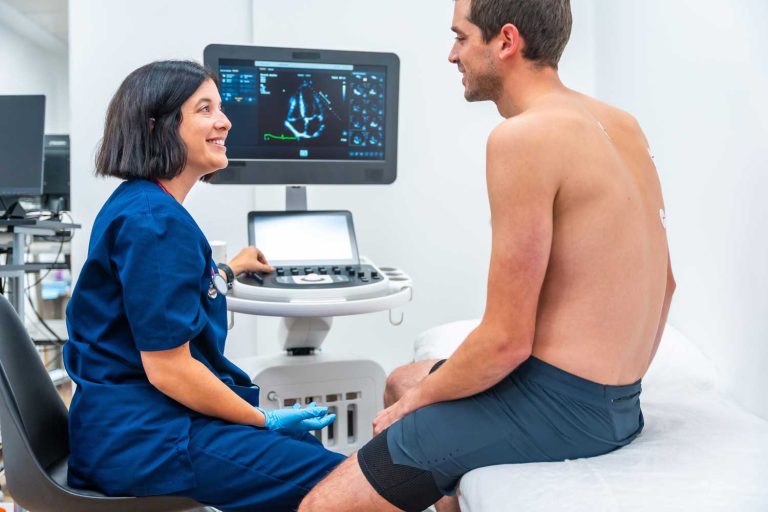
One of the most common questions patients ask when a nuclear stress test is ordered is: How long will this actually take? The honest answer is longer than most imaging tests — but the reason is straightforward. A nuclear stress test requires two complete sets of heart images (at rest and under stress), with waiting periods in between for a radioactive tracer to circulate through your bloodstream and be absorbed by your heart muscle. Those waiting periods are what drive the total appointment time.
Plan for 3 to 4 hours from arrival to departure for a standard same-day nuclear stress test. The actual stress portion — whether treadmill exercise or medication — lasts only 10 to 20 minutes. The rest of the time is preparation, imaging, and waiting.
At IPMC in Northeast Philadelphia, our cardiology team walks every patient through the schedule before their appointment so there are no surprises. This guide gives you the full picture.
Phase-by-Phase Timeline
The table below shows the typical sequence and duration for a same-day nuclear stress test. Times are approximate — your actual experience may vary depending on how quickly the tracer absorbs, whether additional images are needed, and facility workflow.
| Phase | Typical duration | What happens |
|---|---|---|
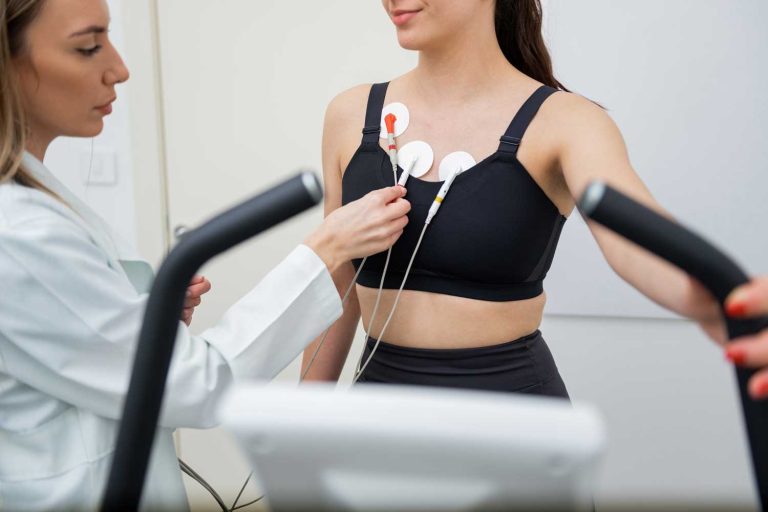
| Arrival and check-in | 15–30 min | Paperwork, blood pressure and heart rate check, IV line placed in your arm for tracer injection. ECG electrodes attached to your chest. |
| Resting tracer injection and wait | 30–45 min | First dose of radioactive tracer (most commonly technetium-99m sestamibi) injected through your IV. You wait quietly while it circulates and is absorbed by your heart muscle — typically 20–30 minutes. |
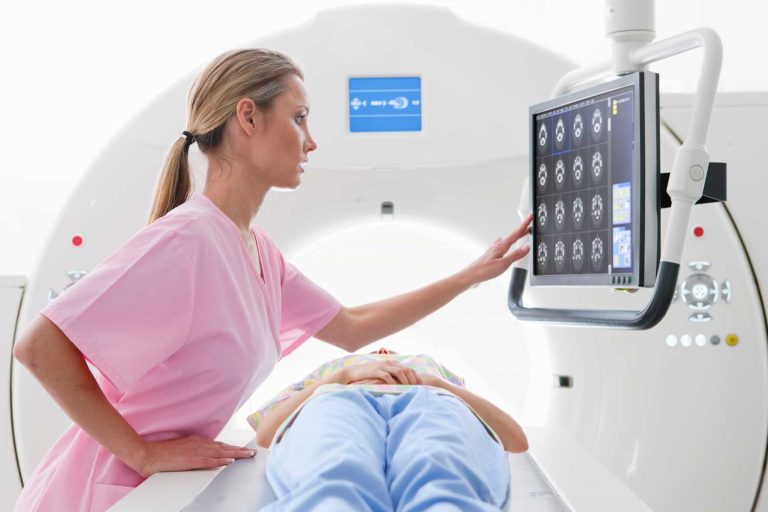
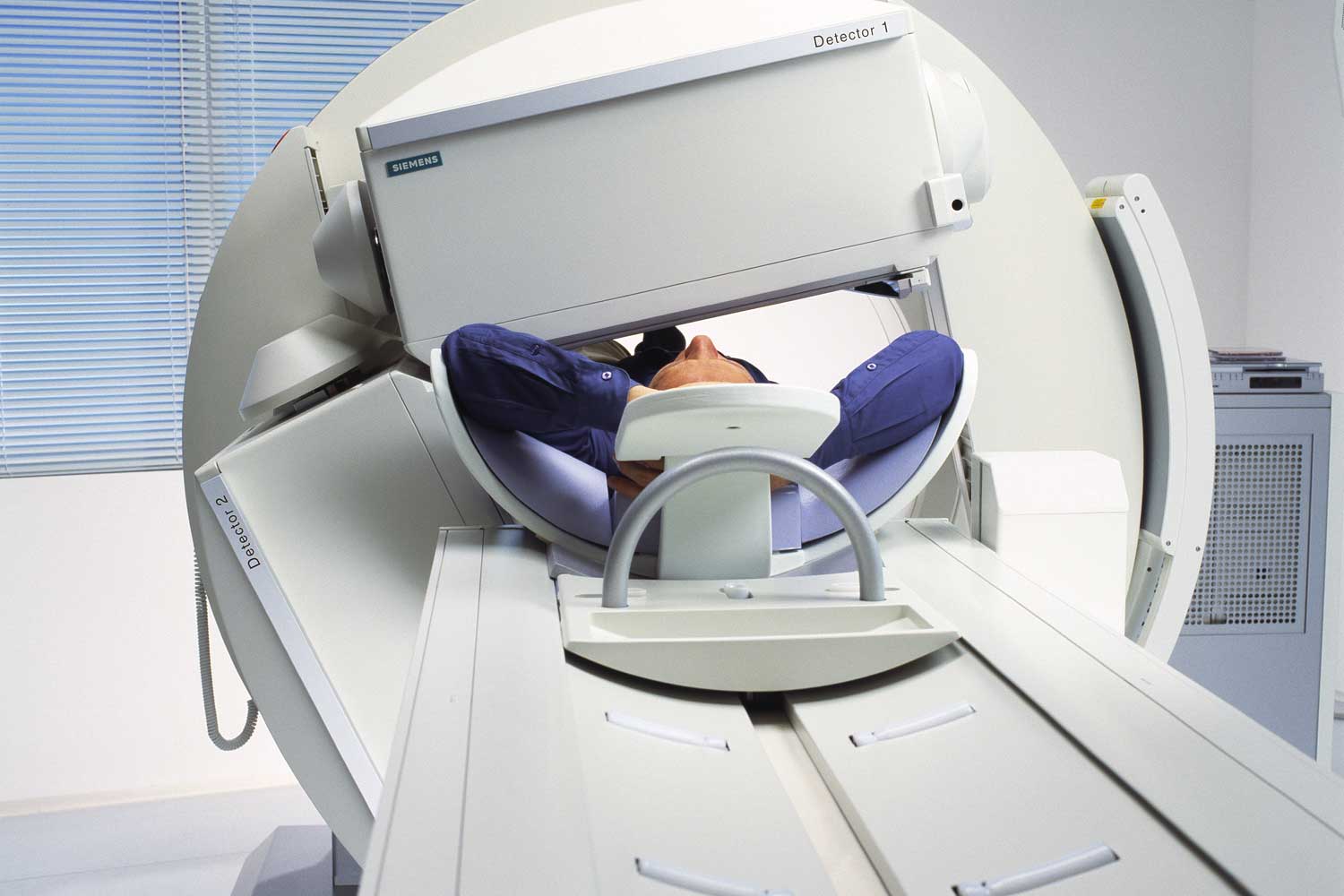
| Resting images | 15–20 min | You lie on a table under the gamma camera — an open, low-profile unit. You must stay as still as possible while the camera captures images of blood flow to your heart at rest. The camera rotates slowly around you. |
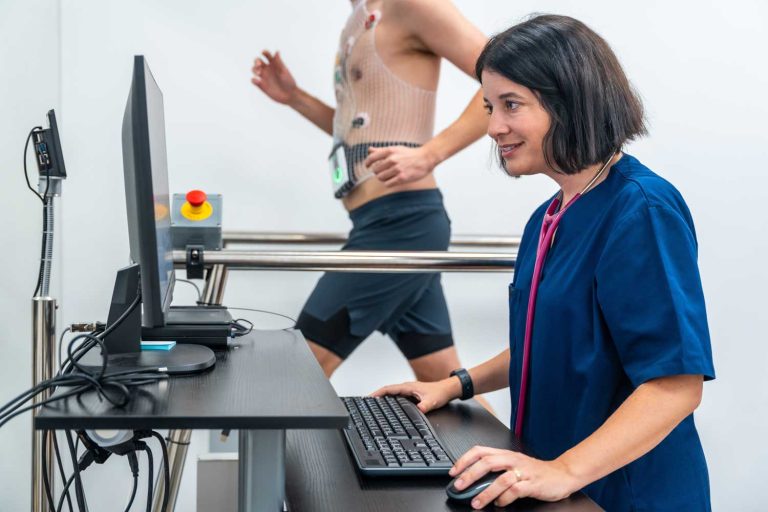
| Stress portion | 10–20 min | You walk on a treadmill (speed and incline increase every 3 minutes using the Bruce protocol) or receive stress medication through your IV if you cannot exercise. At peak stress, a second dose of tracer is injected. If on the treadmill, you continue walking for about 1 more minute after the injection. |
| Second wait period | 30–60 min | You wait again — typically in a comfortable chair — for the stress tracer to circulate and absorb into your heart. This waiting period is why nuclear stress tests take significantly longer than stress echocardiograms. |
| Stress images | 15–20 min | A second set of images is captured under the gamma camera, showing blood flow during peak cardiac stress. These images are compared directly to the resting images to identify any areas of reduced flow or damage. |
| Quality check and discharge | 15 min | The nuclear technologist reviews the images for diagnostic quality. Occasionally, one or more additional views are needed. Once images are confirmed, your IV is removed and you’re free to go. |
| Total (typical same-day) | ~3 to 4 hours | Most patients complete a same-day nuclear stress test within this range. Pharmacological stress tests (medication-based) may run closer to 4 hours due to longer post-stress waiting periods and medication administration time. |
What the Tracer Waiting Periods Are For
The waiting periods are the single biggest contributor to the total appointment time — and they are non-negotiable. The radioactive tracer (most commonly technetium-99m sestamibi or tetrofosmin) must be given time to travel through your bloodstream and be taken up by your heart muscle cells in proportion to blood flow. Areas of the heart that receive good blood flow absorb more tracer; areas with reduced flow (from a blocked or narrowed artery) absorb less. This difference in tracer uptake is what the gamma camera detects and what makes the test diagnostically meaningful.
Imaging before the tracer has fully absorbed simply produces poor-quality pictures. The waiting is built into the protocol precisely because rushing it would compromise the accuracy of your results.
A practical tip: bring something to pass the time during the waiting periods — a book, your phone, headphones, or a podcast. Most of the “long” part of this test is comfortable sitting or lying down.
Same-Day Protocol vs. Two-Day Protocol
The timeline above describes a same-day protocol, in which both the resting and stress images are acquired on a single appointment. This is the most common approach and is appropriate for most patients.
A two-day protocol — stress images on one day, resting images on a separate day — is used in certain situations:
- Patients with a larger body habitus (heavier body weight), where image quality may be better with lower background tracer activity from a prior day’s injection
- Patients in whom the resting images from a same-day test show an area of possible concern that warrants a cleaner, separate rest acquisition
- When the cardiologist wants stress images first (because a clearly positive result may mean the resting study is unnecessary), reducing total radiation exposure
If you are scheduled for a two-day protocol, each day’s appointment typically takes 1.5 to 2 hours. Your cardiologist will advise which approach is best for your specific situation.
Exercise vs. Pharmacological Nuclear Stress Test: Does It Affect the Time?
Whether you exercise on a treadmill or receive a pharmacological (chemical) stress agent has a modest effect on the total appointment time.
Exercise-based tests are typically slightly shorter overall because the stress phase itself is fast — you walk until you reach target heart rate, the tracer is injected, and you’re done exercising within minutes. The post-stress waiting period is similar to the pharmacological approach.
Pharmacological tests (using regadenoson, adenosine, dipyridamole, or dobutamine) add some time for medication infusion and, in the case of dipyridamole, for administration of aminophylline (an antidote) after imaging. Some pharmacological agents may also extend the post-stress wait slightly. In total, pharmacological tests tend to run 30 to 60 minutes longer — bringing the total appointment closer to 4 hours.
If you cannot exercise, your cardiologist will order the pharmacological approach to ensure you still receive a complete, diagnostically valid study. The nuclear stress test service page has more detail on how the test works overall.
Practical Tips for Your Appointment Day
Knowing the timeline in advance makes the appointment far more manageable. Here is what our team recommends:
- Plan for a half-day. Block out at least 4 hours and arrange for a flexible schedule. If your test runs long, you won’t feel rushed.
- Follow caffeine and medication restrictions carefully. Missing these steps — especially the 24-hour caffeine avoidance — can invalidate the test and require rescheduling. See our full nuclear stress test preparation guide and what not to do before a stress test.
- Eat a light breakfast. Unless instructed otherwise, a light meal is usually allowed before a nuclear stress test. Avoid large meals and caffeine. If you have diabetes, coordinate with your doctor about insulin and food intake.
- Wear comfortable clothing and walking shoes. If treadmill exercise may be used, wear athletic shoes. A two-piece outfit makes electrode placement easier.
- Bring entertainment for the wait. A book, phone, or headphones makes the tracer absorption periods much more comfortable.
- Arrive a few minutes early. Rushing to your appointment elevates your resting heart rate and blood pressure before the test begins, which can affect baseline readings.
- You can drive yourself home after a standard nuclear stress test — there is no sedation involved. If you have a pharmacological test, you will be monitored until any medication side effects have fully resolved.
After Your Nuclear Stress Test: What to Expect
Once the imaging is complete and your IV is removed, you can eat, drink normally, and drive yourself home. There is no recovery time and no restrictions on normal activity. For more detail on aftercare, see our full nuclear stress test precautions guide.
Staying hydrated after the test is important — drinking extra water throughout the day helps your kidneys clear the radioactive tracer from your system more quickly. The tracer’s radioactivity decreases rapidly, and within 48 hours it is essentially undetectable.
Brief contact precautions are standard and conservative: for the first few hours after your test, minimize prolonged close contact with infants, young children, and pregnant women, since they are more sensitive to low-level radiation. By the following day, no precautions are needed for most tracers.
Resuming caffeine is usually fine as soon as the test is complete — in fact, if you had a vasodilator pharmacological test, a cup of coffee is often offered at the facility to help clear any residual medication side effects.
When Will You Get Your Results?
A board-certified cardiologist — not a technologist — reviews and interprets every nuclear stress test at IPMC. This involves carefully comparing the resting and stress images side by side, integrating your ECG data, blood pressure response, and symptoms, and preparing a detailed written report.
Results are typically available within a few days and are sent directly to your referring physician, who will contact you to discuss the findings and any recommended next steps. If the test reveals significant abnormalities, your cardiologist may prioritize expedited review and follow-up.
For more on what your results mean, see our guide to stress test results by age.
Nuclear Medicine at IPMC
Why Choose IPMC for Nuclear Stress Test in Philadelphia
Advanced Nuclear Medicine Technology
High-quality imaging helps your physician see what’s happening inside your body clearly.
Convenient Location and Flexible Hours
Easily accessible with onsite parking. Open Monday–Friday from 8AM to 8PM to fit your schedule.
Comfortable Outpatient Experience
Fast Appointments & Quick Results
Schedule Your Nuclear Stress Test at IPMC in Philadelphia
If your doctor has recommended a nuclear stress test in Philadelphia, IPMC provides expert cardiac imaging in a comfortable, efficient outpatient setting — with results sent directly to your physician.
- Call 215-464-3300 to schedule your appointment.
- 9908 E. Roosevelt Blvd., Philadelphia, PA 19115
At IPMC, we believe nuclear imaging should be personal, efficient, and coordinated with your overall care plan — helping you and your doctor make confident decisions about your heart and vascular health.