A CT scan is considered one of the single most effective imaging tests for detecting and evaluating kidney cancer. It can show the exact location, size, shape, and characteristics of a kidney tumor, help determine whether the cancer has spread, and provide the detailed information your doctor needs to plan the best treatment — often without requiring a biopsy.
At Independent Physicians Medical Center (IPMC) in Northeast Philadelphia, we use our advanced Siemens CT scanner to support early detection and monitoring of kidney conditions in our comfortable outpatient facility.
How Are CT Scans Used for Kidney Cancer?
A CT scan of the abdomen with IV contrast captures images of the kidneys at multiple time points, showing how tumors absorb and release contrast dye differently than normal kidney tissue. This “enhancement pattern” is one of the most important features radiologists use to characterize kidney masses.
Doctors use CT scans for kidney cancer to detect kidney masses and tumors — many kidney cancers are actually discovered incidentally on CT scans ordered for unrelated reasons, characterize masses as benign (such as simple cysts or angiomyolipomas) or suspicious for cancer based on their CT appearance and enhancement characteristics, determine the size and extent of a tumor, including whether it has grown into the renal vein or inferior vena cava, check whether cancer has spread to nearby lymph nodes, the adrenal glands, the liver, or other organs, guide surgical planning by showing the tumor’s relationship to blood vessels and the collecting system, and monitor the response to treatment or check for recurrence after surgery.
Research has shown that CT scans have an accuracy rate exceeding 99 percent for detecting renal masses. In many cases, kidney cancer can be diagnosed confidently based on CT findings alone, without the need for a biopsy. This can save significant time and allow treatment to begin more quickly.
What to Expect During the Scan
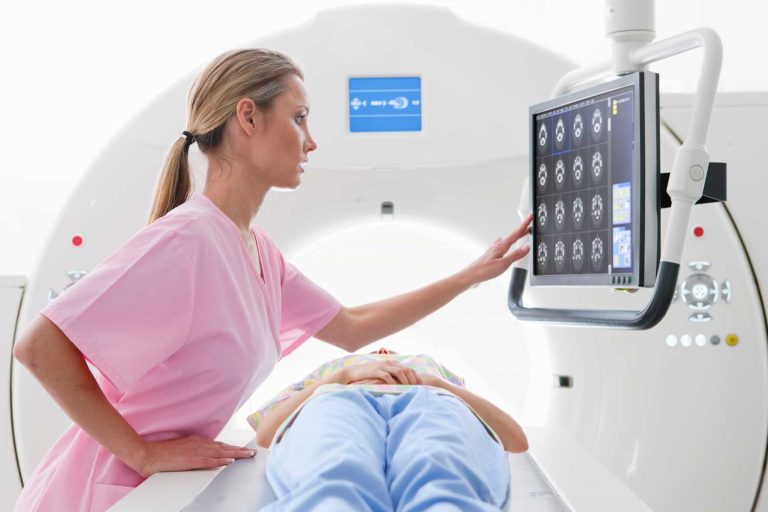
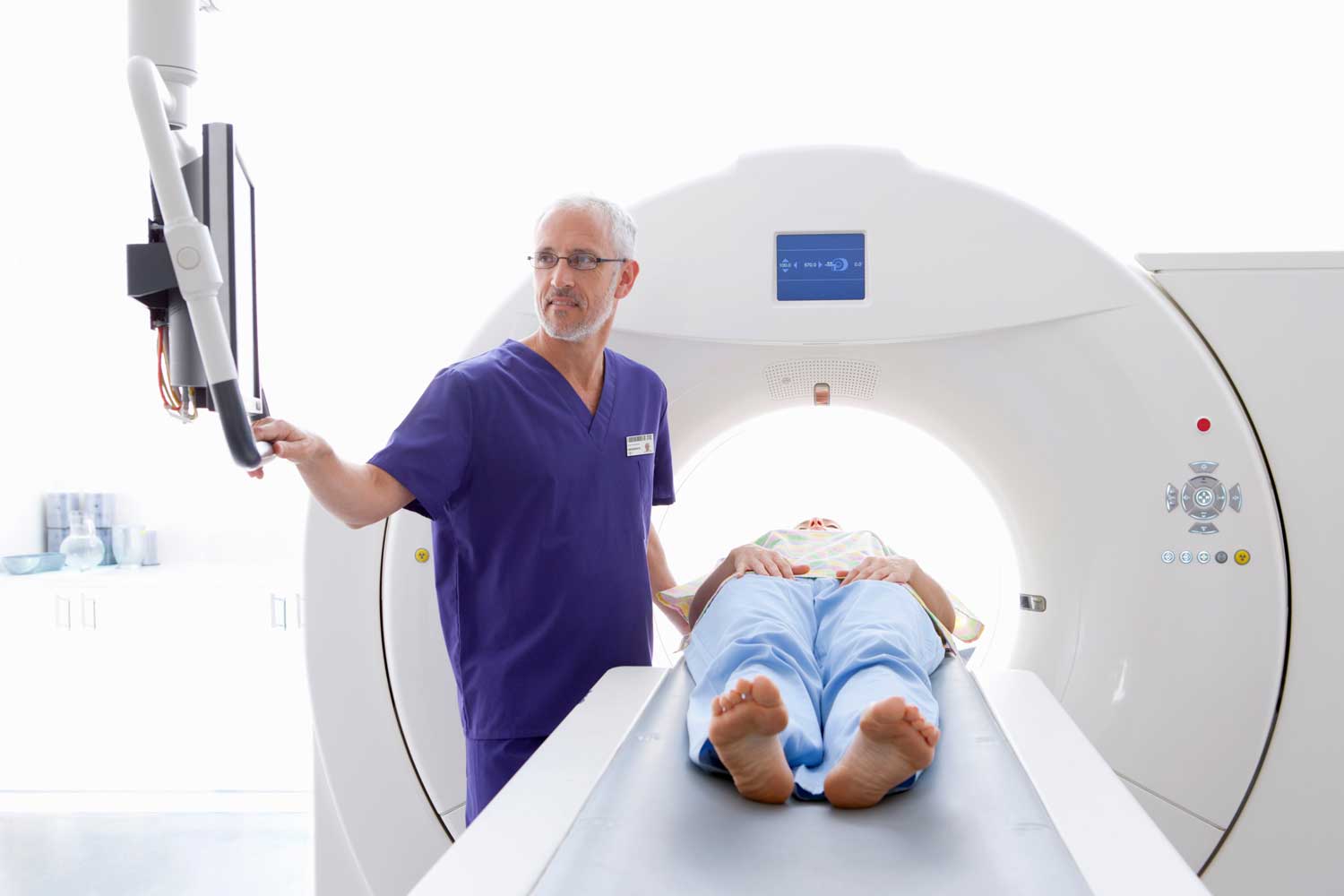
You may be asked to fast for a few hours if IV contrast will be used. At IPMC, you’ll have an IV placed, lie on a padded table, and slide through the scanner. Images are captured before and at multiple intervals after contrast injection to track how the dye moves through your kidneys.
The scan is painless and typically takes about 20 to 30 minutes. You may feel a brief warm sensation from the contrast.
After Your CT Scan
You can return to normal activities immediately. Drink extra water to help flush the contrast. A board-certified radiologist will review your images and provide a detailed report to your urologist or referring doctor. If a mass is found, your doctor will discuss next steps, which may include further imaging (such as MRI), active surveillance for small masses, or surgical treatment.
CT Scan at IPMC
Why Choose IPMC for Your CT Scan in Philadelphia?
Convenient Location and Flexible Hours
Fast Appointments & Quick Results
Comfortable Outpatient Setting
Avoid the stress of a hospital visit. Our welcoming center is designed for efficiency and patient comfort
Experienced, Board-Certified Physicians
Your imaging is reviewed by experienced professionals dedicated to accuracy and personalized care.
Schedule Your CT Scan Today
If your physician has recommended a CT scan, IPMC is here to provide reliable, high-quality imaging close to home in Northeast Philadelphia.
- Call 215-464-3300 to book your appointment.
- Visit us at 9908 E. Roosevelt Blvd., Philadelphia, PA 19115
At Independent Physicians Medical Center, we believe medical care should be personal, efficient, and focused on you—starting with your imaging experience.