By Ariana Nevoienna, Nail Specialist & Educator
Many people associate nail care with aesthetics, but in practice, the condition of nails and surrounding skin often reflects underlying health and hygiene issues. In many cases, problems that start as minor cosmetic concerns can develop into medical conditions if left untreated.
Common Issues Seen in Daily Practice
In professional practice, it is common to encounter clients who initially seek cosmetic services but present with early signs of health-related conditions.
Some of the most frequent issues include:
- inflamed skin around the nail
- thickened or discolored nail plates
- painful pressure caused by improper nail growth
- dryness leading to skin cracks
These conditions may seem minor but can progressively worsen without proper care.
The Connection Between Daily Habits and Nail Health
Modern lifestyle factors significantly affect nail and skin condition. Frequent hand washing, use of sanitizers, and exposure to cleaning chemicals weaken the skin barrier over time.
Without proper care, this may lead to:
- increased sensitivity
- chronic dryness
- irritation and inflammation
- higher susceptibility to infection
Maintaining balance between hygiene and skin protection is essential.
Why Improper Self-Care Can Be Risky
Many individuals attempt to manage nail care at home without proper knowledge or tools. This often results in:
- overcutting the cuticle
- damaging the nail plate
- using non-sterile tools
- creating micro-injuries
These small traumas can become entry points for bacteria and fungi, increasing the risk of infections.
Early Intervention Matters
One of the most important aspects of nail care is early detection. Changes in the nail or surrounding skin can indicate the beginning of a problem that is easier to manage at an early stage.
Timely attention can help prevent:
- progression of fungal infections
- development of ingrown nails
- chronic inflammation
- structural nail damage
Professional Care as Preventive Support
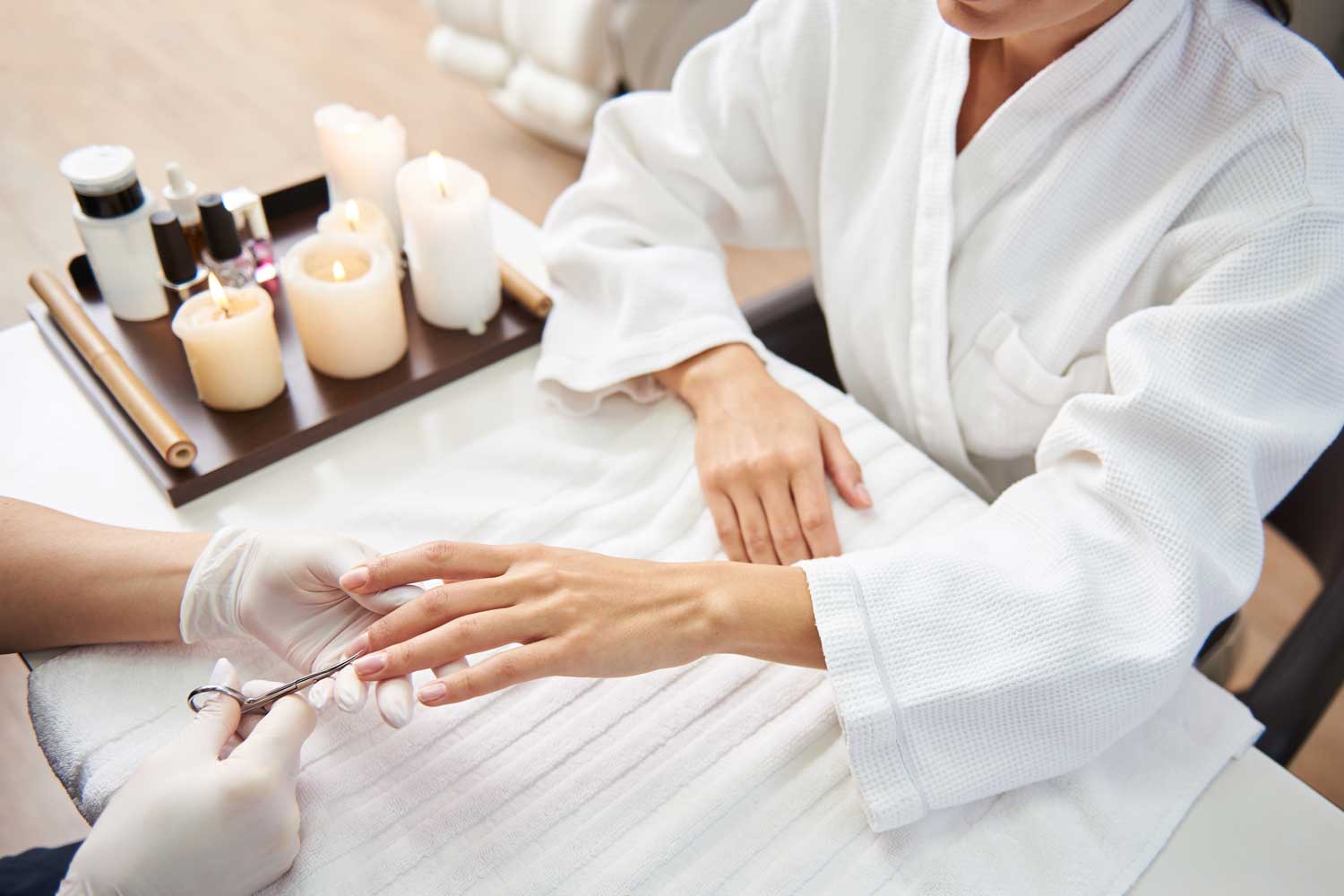
Professional nail care should be viewed as part of preventive maintenance. A trained specialist can identify early changes, apply proper techniques, and help maintain the health of both nails and skin.
Equally important is adherence to hygiene protocols, including proper sterilization of tools and safe treatment methods.
Expert Insight
In my experience working with clients, many people underestimate how quickly minor nail issues can turn into more serious conditions. With regular professional care and proper home maintenance, most of these problems can be prevented.
Nail care is not only about appearance—it is a practical and preventive approach to maintaining skin integrity and reducing health risks.
Conclusion
Nail and skin health should not be overlooked. Paying attention to early signs, avoiding improper self-treatment, and seeking professional care when needed can significantly reduce the risk of complications.
A preventive approach remains the most effective way to maintain long-term nail and skin health.