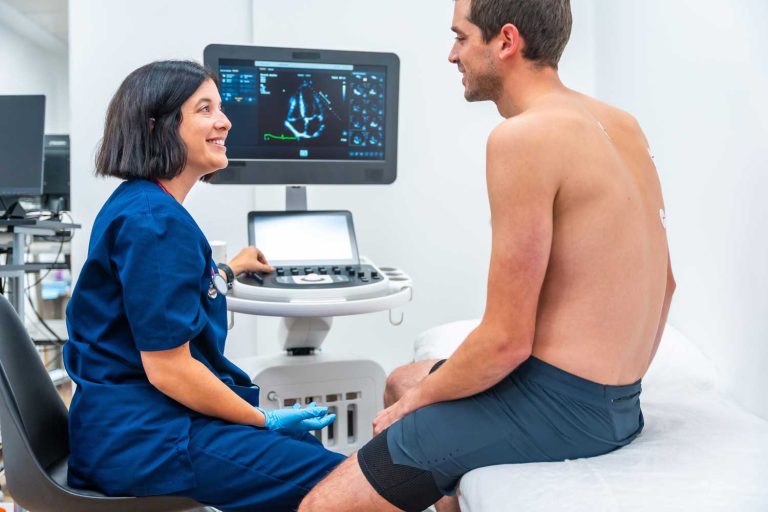
If you or your doctor is concerned about stomach (gastric) cancer, you may wonder whether an ultrasound can help with detection. While standard abdominal ultrasound is not the primary tool for diagnosing stomach cancer, it can play a supporting role in the evaluation process — and understanding its capabilities and limitations can help you navigate your diagnostic journey.
At Independent Physicians Medical Center (IPMC) in Northeast Philadelphia, we offer ultrasound, CT, and other imaging services to help your doctor investigate digestive symptoms and guide your care.
Can Standard Ultrasound Find Stomach Cancer?
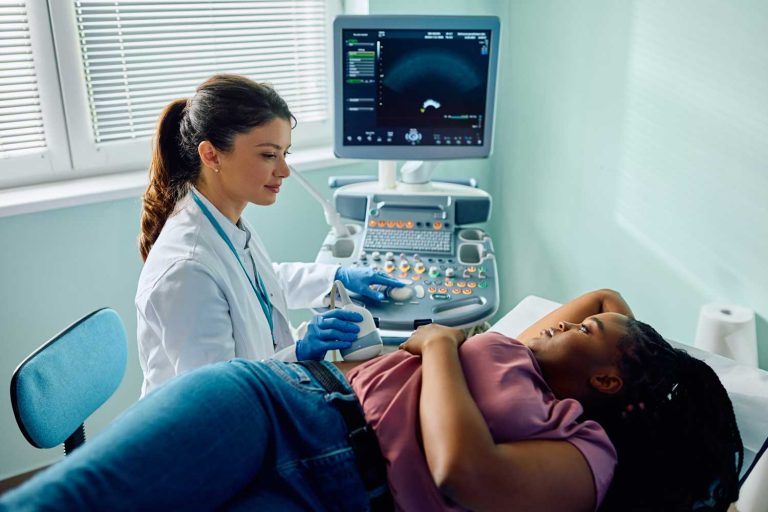
A standard transabdominal ultrasound has significant limitations when it comes to directly visualizing stomach cancer. The stomach is a hollow, gas-filled organ, and air severely interferes with ultrasound waves. This makes it very difficult to see the stomach wall in detail from the outside.
However, ultrasound may reveal certain indirect signs that raise suspicion for stomach cancer:
Stomach wall thickening. If the stomach wall is significantly thickened (which can occur with advanced stomach cancer), it may be visible on ultrasound. However, wall thickening is not specific to cancer — it can also be seen with gastritis, lymphoma, and other conditions.
Abdominal masses. Large tumors that extend beyond the stomach wall may be detectable.
Enlarged lymph nodes. Ultrasound can sometimes identify enlarged abdominal lymph nodes that may suggest cancer spread.
Ascites. Free fluid in the abdomen may be a sign of advanced cancer that has spread to the peritoneum.
Liver metastases. Ultrasound is good at detecting liver masses, and stomach cancer commonly spreads to the liver.
For the definitive diagnosis of stomach cancer, an upper endoscopy (EGD) is essential. During endoscopy, a doctor directly views the stomach lining with a camera, identifies tumors or ulcers, and takes biopsies for pathological analysis. This is the only way to confirm the type and grade of stomach cancer.
When Might Ultrasound Be Part of the Evaluation?
Your doctor may order an abdominal ultrasound as part of the initial workup for symptoms like:
- Persistent upper abdominal pain or discomfort
- Unexplained weight loss or loss of appetite
- Nausea, vomiting, or early satiety (feeling full after eating small amounts)
- Difficulty swallowing or a sensation of food getting stuck
- Anemia of unknown cause (which may indicate chronic GI bleeding)
- Checking for liver metastases in a patient with known stomach cancer
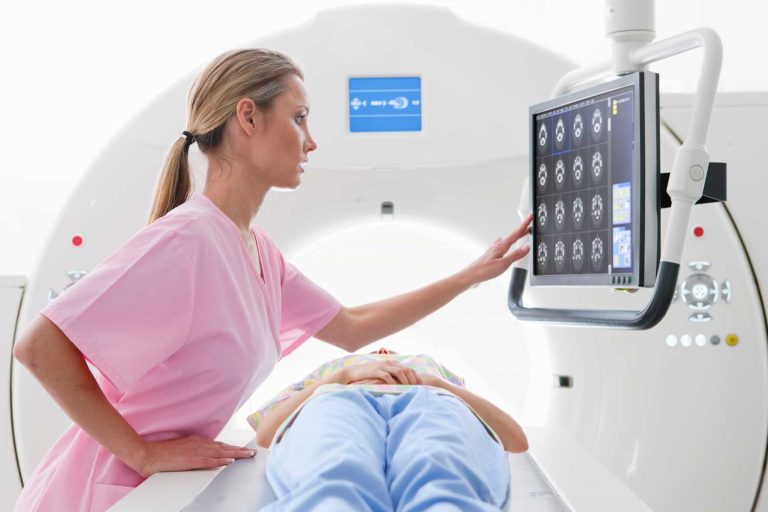
If the ultrasound reveals concerning findings, your doctor will recommend additional testing. A CT scan of the abdomen and pelvis is the standard imaging study for staging stomach cancer and evaluating the extent of disease. Endoscopic ultrasound (EUS) — a specialized test where an ultrasound probe is inserted through the mouth into the stomach — provides detailed images of the stomach wall layers and nearby lymph nodes and is used for local tumor staging.
After Your Ultrasound
There is no recovery time. A board-certified radiologist at IPMC will review all images and provide a report to your doctor, who will combine the results with your symptoms, physical exam, blood work, and potentially endoscopy findings to determine the best path forward for your diagnosis and care.
Ultrasound at IPMC
Why Choose IPMC for Your Ultrasound in Philadelphia
Advanced Ultrasound Technology
Convenient Location and Flexible Hours
Easily accessible with onsite parking. Open Monday–Friday from 8AM to 8PM to fit your schedule.
Comfortable Outpatient Experience
Fast Appointments & Quick Results
Schedule Your Ultrasound at IPMC
If your doctor has recommended an ultrasound to investigate symptoms or monitor a condition, Independent Physicians Medical Center is here to help with reliable, comfortable imaging close to home in Northeast Philadelphia.
- Call 215-464-3300 to schedule your ultrasound appointment.
- 9908 E. Roosevelt Blvd., Philadelphia, PA 19115
At IPMC, we believe medical imaging should be personal, efficient, and designed to support your health with confidence.