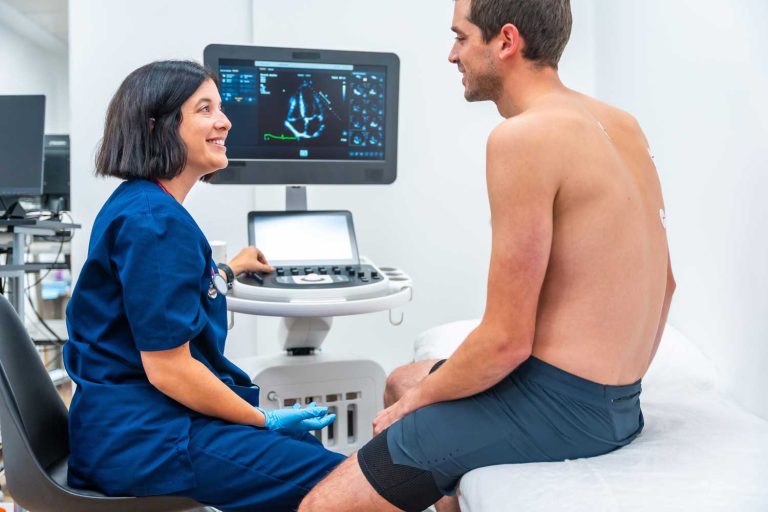
Pancreatic cancer is one of the most challenging cancers to detect early, largely because the pancreas is located deep within the abdomen behind the stomach and intestines. Ultrasound is often one of the first imaging tools used when a doctor suspects a pancreatic problem, but understanding both its capabilities and its limitations is important for getting the best possible care.
At Independent Physicians Medical Center (IPMC) in Northeast Philadelphia, we offer both ultrasound and CT imaging as part of a comprehensive approach to evaluating pancreatic conditions.
What Can Standard Abdominal Ultrasound Show?
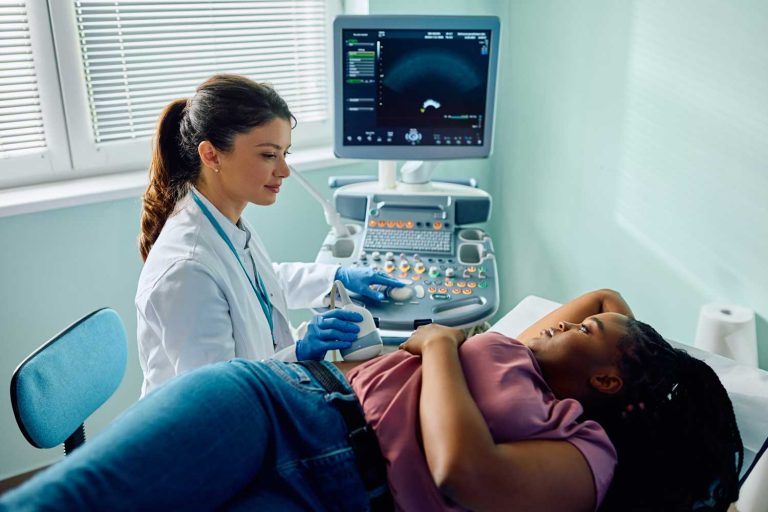
A standard transabdominal ultrasound can sometimes reveal pancreatic abnormalities, including masses or tumors large enough to be seen from the abdominal surface, pancreatic cysts or pseudocysts, dilation (widening) of the main pancreatic duct, which may be an indirect sign of a tumor or obstruction, dilation of the common bile duct, which may suggest a tumor in the head of the pancreas compressing the bile duct (this often presents with jaundice), and changes in the surrounding liver, such as metastases.
However, ultrasound has significant limitations when it comes to the pancreas. The gland’s deep location behind the stomach and intestines means that bowel gas frequently obscures the view, making it difficult to see the entire pancreas clearly in many patients. Smaller tumors, tumors in the body or tail of the pancreas, and early-stage disease may be missed entirely on standard ultrasound.
When Is Ultrasound Most Useful?
Ultrasound is often the first test ordered for patients with symptoms like upper abdominal pain, jaundice, or unexplained weight loss because it is fast, widely available, inexpensive, and uses no radiation. Its most valuable contributions in the context of possible pancreatic cancer include:
- Detecting bile duct dilation — an indirect but important sign that something may be obstructing the bile duct, prompting further investigation
- Identifying liver metastases — ultrasound can detect cancer that has spread to the liver
- Ruling out other causes of symptoms — such as gallstones, which can cause similar symptoms to pancreatic cancer
- Providing initial evidence that leads your doctor to order more definitive imaging
- Monitoring known pancreatic cysts — some pancreatic cysts are precancerous and are monitored with periodic imaging
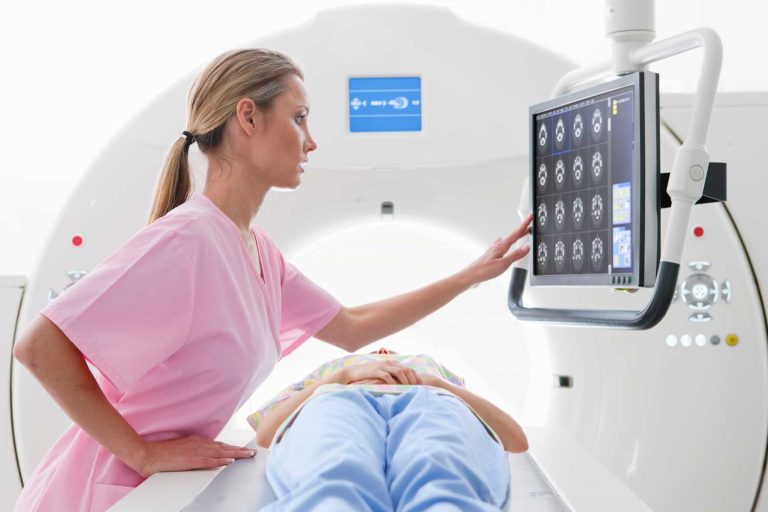
For suspected pancreatic cancer, a CT scan with pancreatic protocol is the primary imaging test used for detection, staging, and surgical planning. MRI and endoscopic ultrasound (EUS) are also used in certain situations. Endoscopic ultrasound, which involves inserting an ultrasound probe through the mouth into the stomach, provides much closer and more detailed images of the pancreas than transabdominal ultrasound and can also guide biopsies.
The Importance of Follow-Up Imaging
If your abdominal ultrasound shows any concerning findings related to the pancreas — such as a mass, duct dilation, or suspicious cyst — your doctor will almost certainly recommend further imaging with a CT scan or MRI for a definitive evaluation. The key message is that a normal-appearing pancreas on abdominal ultrasound does not completely rule out pancreatic disease, so if symptoms persist, additional testing is warranted.
At IPMC, we offer both ultrasound and CT imaging on-site, allowing your doctor to move forward with additional testing quickly when needed.
Ultrasound at IPMC
Why Choose IPMC for Your Ultrasound in Philadelphia
Advanced Ultrasound Technology
Convenient Location and Flexible Hours
Easily accessible with onsite parking. Open Monday–Friday from 8AM to 8PM to fit your schedule.
Comfortable Outpatient Experience
Fast Appointments & Quick Results
Schedule Your Ultrasound at IPMC
If your doctor has recommended an ultrasound to investigate symptoms or monitor a condition, Independent Physicians Medical Center is here to help with reliable, comfortable imaging close to home in Northeast Philadelphia.
- Call 215-464-3300 to schedule your ultrasound appointment.
- 9908 E. Roosevelt Blvd., Philadelphia, PA 19115
At IPMC, we believe medical imaging should be personal, efficient, and designed to support your health with confidence.