Ultrasound is universally recognized as the first and best imaging test for evaluating the gallbladder. It is fast, accurate, completely painless, uses no radiation, and is highly sensitive at detecting gallstones — the most common gallbladder problem. If you’re experiencing pain in your upper abdomen, especially after eating, your doctor will very likely start with a gallbladder ultrasound.
At Independent Physicians Medical Center (IPMC) in Northeast Philadelphia, we offer gallbladder ultrasound exams with quick scheduling and fast results in our comfortable outpatient facility.
What Is a Gallbladder Ultrasound?
A gallbladder ultrasound uses sound waves to produce real-time images of your gallbladder, bile ducts, and the surrounding structures (including the liver and head of the pancreas). The gallbladder is a small, pear-shaped organ tucked beneath the liver that stores bile — a digestive fluid produced by the liver.
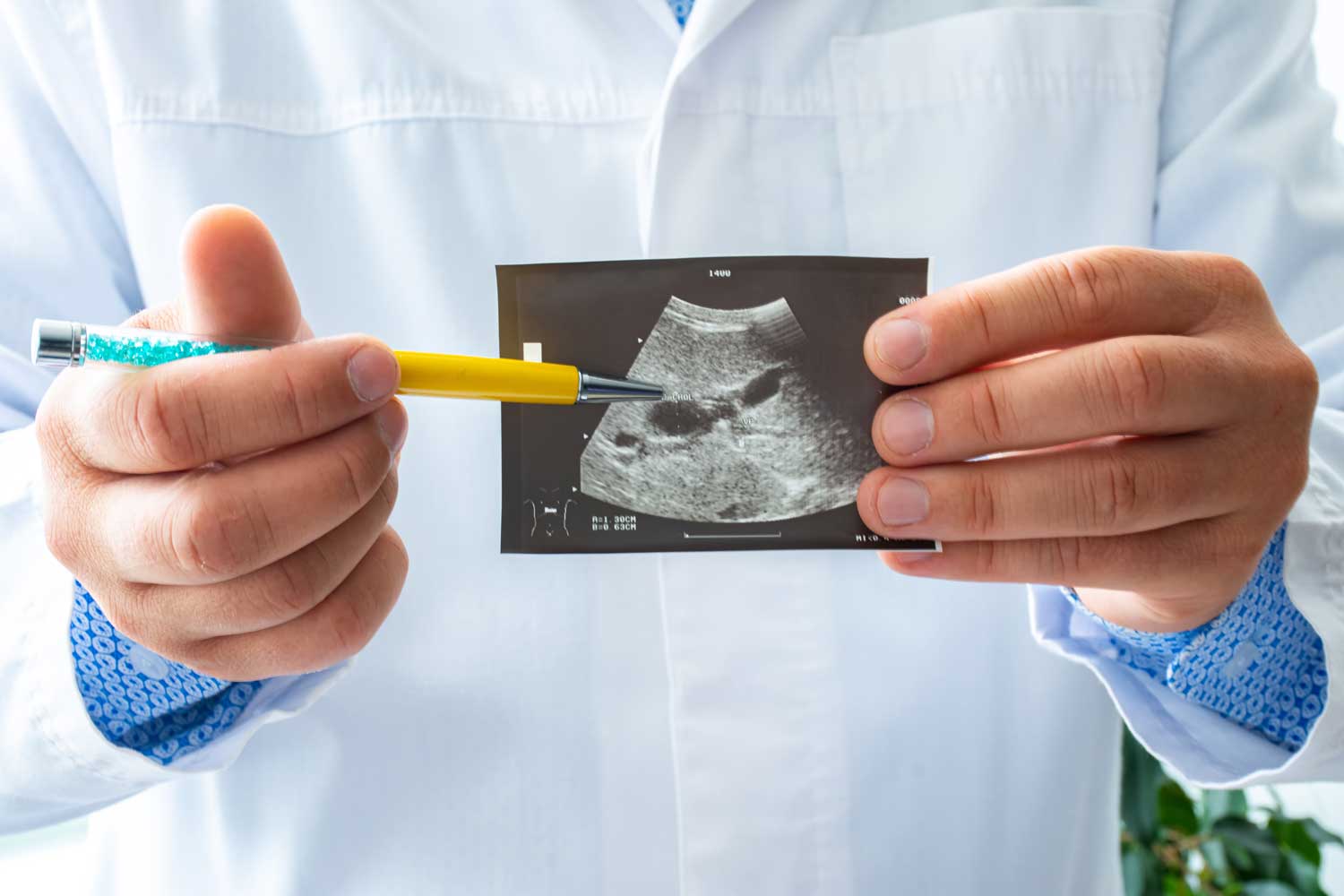
Ultrasound is the gold standard for detecting gallstones because stones are highly reflective to sound waves, producing a characteristic bright echo with a dark shadow behind it. The test can also identify wall thickening (a sign of inflammation), polyps, sludge (thickened bile), pericholecystic fluid (fluid around the gallbladder, suggesting acute inflammation), and bile duct dilation (which may indicate a stone blocking the common bile duct).
The accuracy of ultrasound for detecting gallstones is approximately 95 percent or higher, making it one of the most reliable diagnostic imaging tests in medicine.
Why Would Your Doctor Order a Gallbladder Ultrasound?
Common reasons include:
- Pain in the upper right abdomen — especially after eating fatty or greasy foods (classic gallbladder/biliary colic)
- Suspected gallstones — the most common reason for a gallbladder ultrasound
- Nausea, vomiting, or bloating associated with meals
- Jaundice (yellowing of the skin or eyes) — which may indicate a stone blocking the bile duct
- Abnormal liver function blood tests — elevated bilirubin, alkaline phosphatase, or GGT levels may point to a biliary problem
- Suspected acute cholecystitis — infection/inflammation of the gallbladder, which is a clinical emergency. The “sonographic Murphy’s sign” (pain when the ultrasound probe presses directly over the gallbladder) is a key diagnostic finding
- Evaluation of bile duct dilation — a dilated common bile duct (greater than 6-7 mm, or larger in elderly patients or post-cholecystectomy) suggests obstruction
- Follow-up on previously identified gallbladder abnormalities such as polyps (which may need monitoring to ensure they don’t grow)
- Pre-surgical evaluation before gallbladder removal (cholecystectomy)
- Biliary dyskinesia evaluation — when gallbladder symptoms are present but no stones are found, your doctor may order a HIDA scan as a follow-up
How to Prepare and What to Expect
Fasting is essential. You must fast for 8 to 12 hours before your gallbladder ultrasound (typically overnight). Fasting causes the gallbladder to fill with bile and distend, making it much easier to visualize. If the gallbladder is contracted (from a recent meal), stones and other abnormalities may be missed. You can usually take medications with a small sip of water.
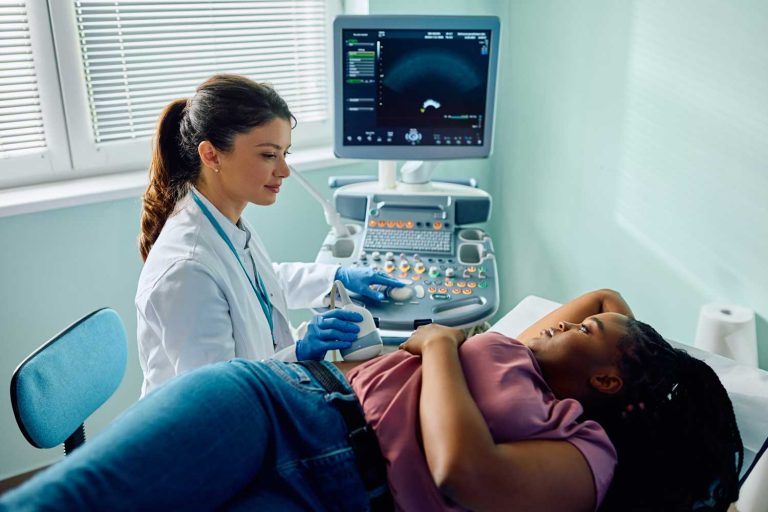
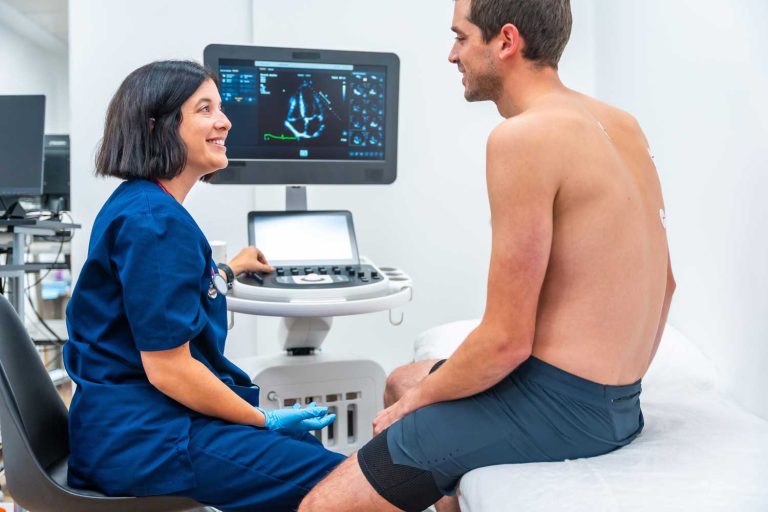
At IPMC, you’ll lie on your back or side on an exam table. The sonographer applies gel and moves the transducer over your upper right abdomen, just below the rib cage. You may be asked to take a deep breath and hold it (which pushes the liver and gallbladder down for better visualization), roll onto your left side (which shifts the gallbladder for different views), or change positions to see if gallstones move with gravity (confirming they are stones and not polyps).
The exam usually takes 20 to 30 minutes and is painless. If you have acute gallbladder inflammation, you may feel tenderness when the transducer presses over the gallbladder area — this is actually a diagnostically important finding (sonographic Murphy’s sign).
After Your Gallbladder Ultrasound
You can eat, drink, and resume normal activities immediately after the exam. A board-certified radiologist will analyze the images and send a report to your doctor, who will review the findings and discuss treatment options. These may include dietary modifications, medication, monitoring of gallbladder polyps, or referral to a surgeon for cholecystectomy if gallstones are causing symptoms or complications.
Ultrasound at IPMC
Why Choose IPMC for Your Ultrasound in Philadelphia
Advanced Ultrasound Technology
Convenient Location and Flexible Hours
Easily accessible with onsite parking. Open Monday–Friday from 8AM to 8PM to fit your schedule.
Comfortable Outpatient Experience
Fast Appointments & Quick Results
Schedule Your Ultrasound at IPMC
If your doctor has recommended an ultrasound to investigate symptoms or monitor a condition, Independent Physicians Medical Center is here to help with reliable, comfortable imaging close to home in Northeast Philadelphia.
- Call 215-464-3300 to schedule your ultrasound appointment.
- 9908 E. Roosevelt Blvd., Philadelphia, PA 19115
At IPMC, we believe medical imaging should be personal, efficient, and designed to support your health with confidence.