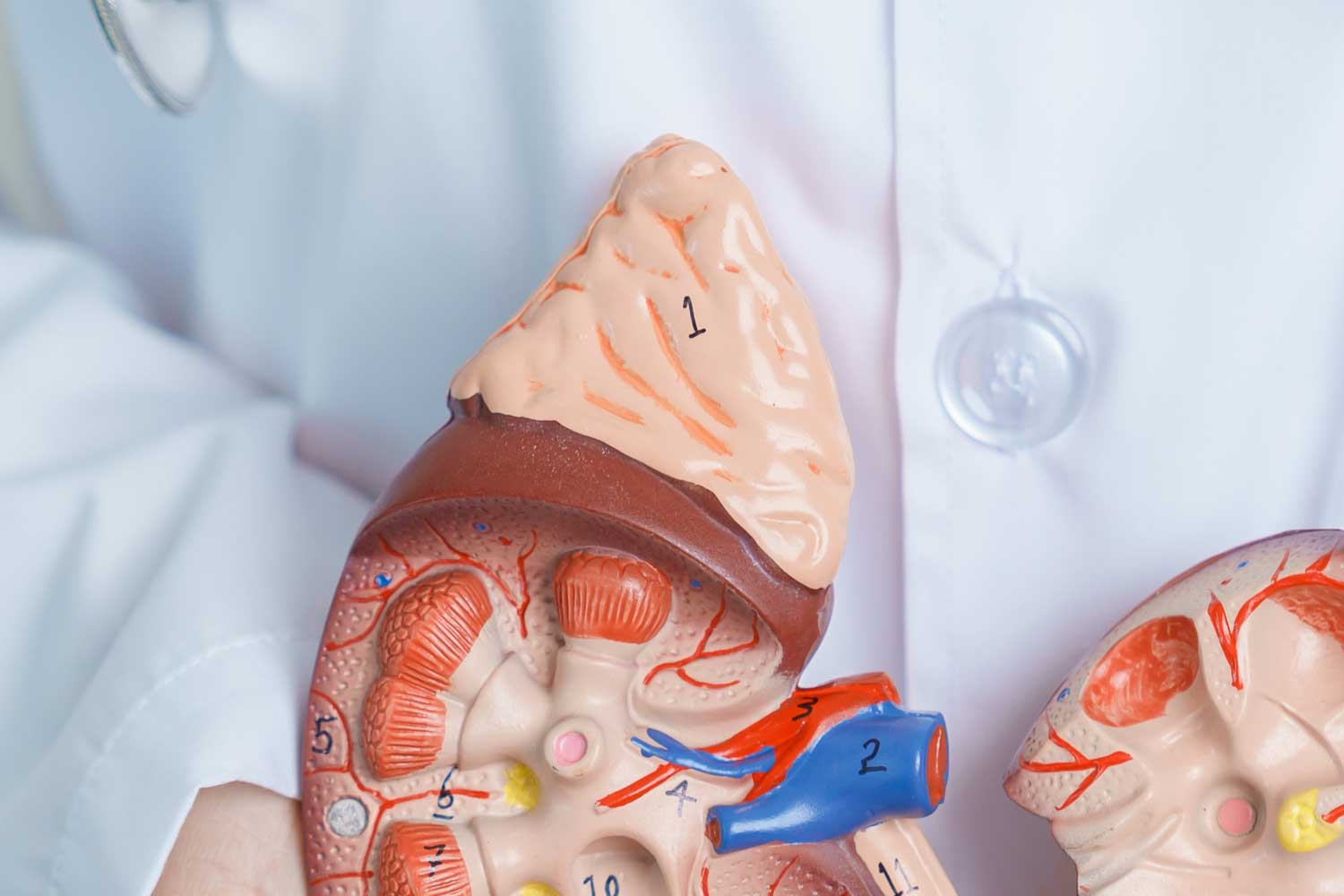
Your adrenal glands are small, triangular organs that sit on top of each kidney. Despite their size, they play a huge role in your health — producing critical hormones including cortisol (the stress hormone), aldosterone (which regulates blood pressure and electrolytes), and adrenaline (the fight-or-flight hormone). When an abnormality is suspected in the adrenal glands, a CT scan is one of the first and most important imaging tests used to investigate.
At Independent Physicians Medical Center (IPMC) in Northeast Philadelphia, we offer advanced CT imaging to help your doctor evaluate adrenal gland conditions accurately in our comfortable outpatient facility.
How Are CT Scans Used for Adrenal Gland Evaluation?
A CT scan of the abdomen provides detailed images of the adrenal glands and can detect masses as small as a few millimeters. Adrenal masses are actually quite common — they are found incidentally (by accident) on about 4 to 5 percent of all abdominal CT scans performed for other reasons. These incidentally discovered masses are called “adrenal incidentalomas.”
The vast majority of adrenal incidentalomas are benign adenomas (non-cancerous growths) that produce no symptoms and require no treatment. However, a small percentage may be functioning tumors (producing excess hormones) or, rarely, cancerous. CT helps distinguish between these possibilities.
Specifically, CT evaluates the size of the mass (larger masses, generally over 4 cm, carry a higher risk of malignancy), the density (measured in Hounsfield units — lipid-rich adenomas have characteristically low density on non-contrast CT, usually below 10 HU), the enhancement and washout pattern after contrast injection (benign adenomas typically show rapid contrast washout, while malignant masses tend to retain contrast longer), and any irregular features such as heterogeneity, necrosis, calcification, or invasion of surrounding structures.
Why Would Your Doctor Order an Adrenal CT Scan?
Your doctor may recommend adrenal CT imaging for:
- Investigation of an adrenal mass found incidentally on a CT or other imaging study performed for a different reason
- Suspected Cushing’s syndrome — excess cortisol production causing weight gain, high blood pressure, and other symptoms
- Suspected pheochromocytoma — a tumor that produces excess adrenaline and noradrenaline, causing episodic high blood pressure, rapid heart rate, sweating, and anxiety
- Primary aldosteronism (Conn’s syndrome) — excess aldosterone production causing resistant high blood pressure and low potassium levels
- Suspected adrenal cancer (adrenocortical carcinoma)
- Cancer staging — checking whether cancer from another organ (especially lung, breast, kidney, or melanoma) has spread to the adrenal glands
- Monitoring a known adrenal mass over time to check for growth or changes
What to Expect During the Scan
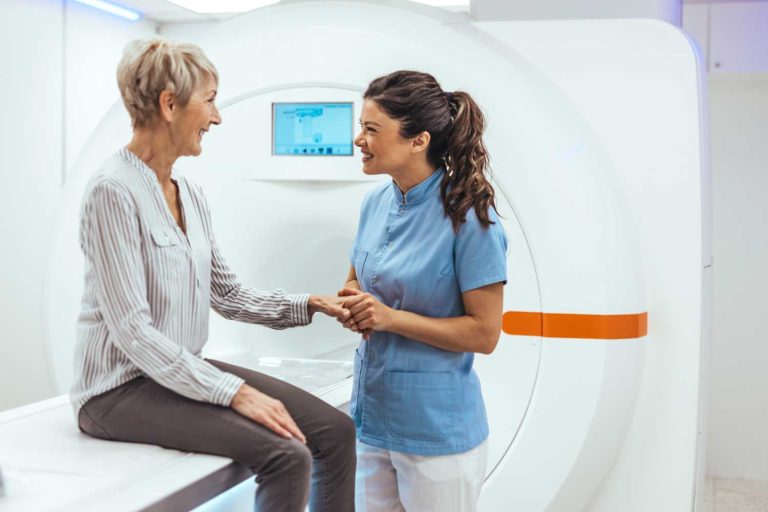
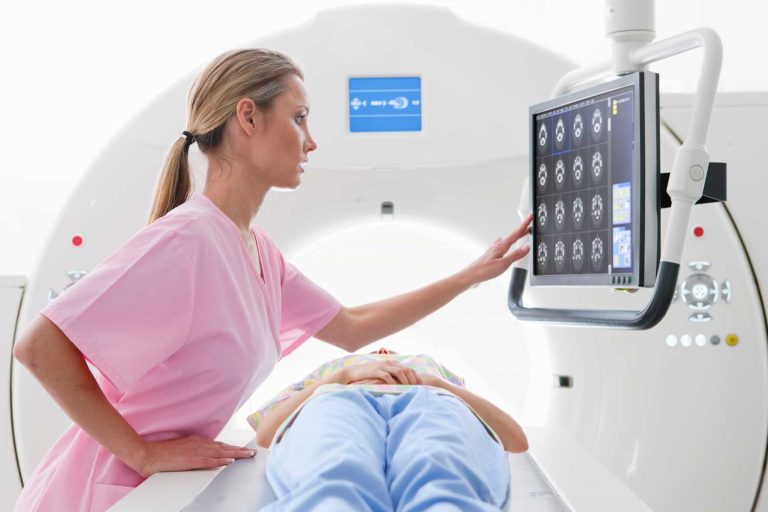
For a dedicated adrenal CT protocol, the scan may include images taken without contrast and then at specific time intervals after IV contrast injection to measure the washout pattern. You may need to fast for a few hours before the scan. The procedure takes about 20 to 30 minutes and is painless.
After the scan, you can resume normal activities immediately. A board-certified radiologist will analyze the images and send a detailed report to your endocrinologist or referring doctor.
CT Scan at IPMC
Why Choose IPMC for Your CT Scan in Philadelphia?
Convenient Location and Flexible Hours
Fast Appointments & Quick Results
Comfortable Outpatient Setting
Avoid the stress of a hospital visit. Our welcoming center is designed for efficiency and patient comfort
Experienced, Board-Certified Physicians
Your imaging is reviewed by experienced professionals dedicated to accuracy and personalized care.
Schedule Your CT Scan Today
If your physician has recommended a CT scan, IPMC is here to provide reliable, high-quality imaging close to home in Northeast Philadelphia.
- Call 215-464-3300 to book your appointment.
- Visit us at 9908 E. Roosevelt Blvd., Philadelphia, PA 19115
At Independent Physicians Medical Center, we believe medical care should be personal, efficient, and focused on you—starting with your imaging experience.