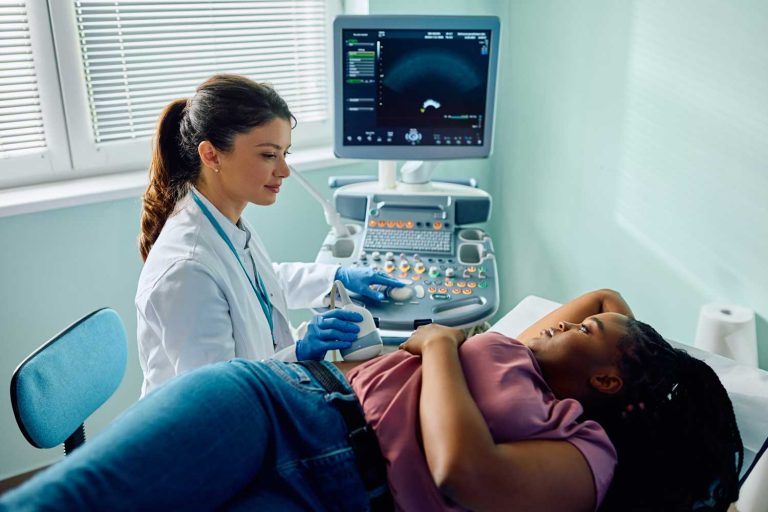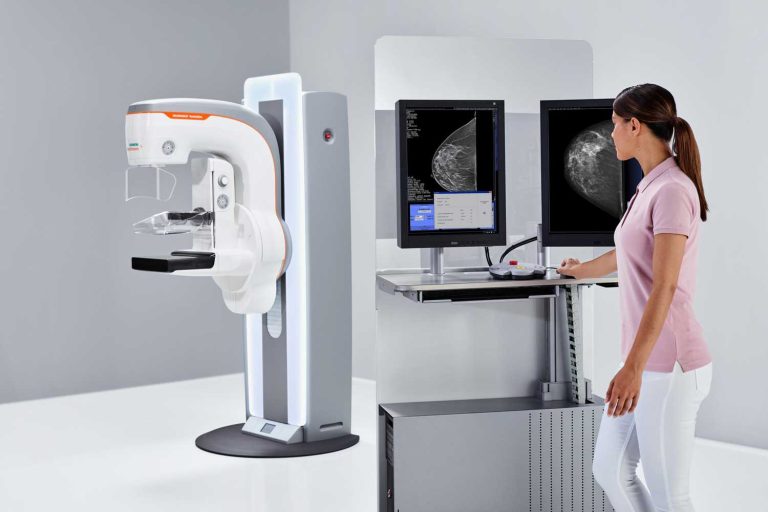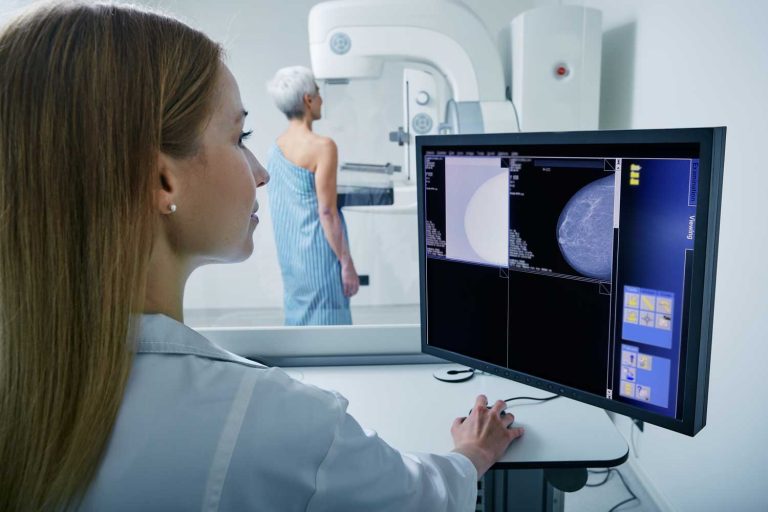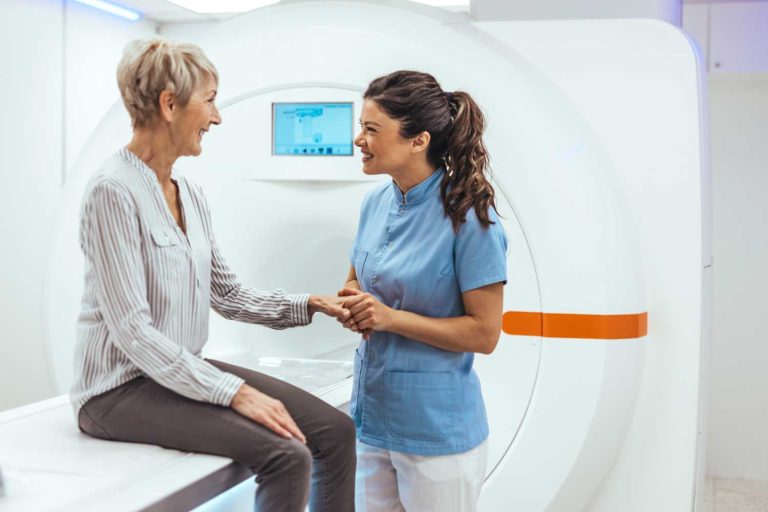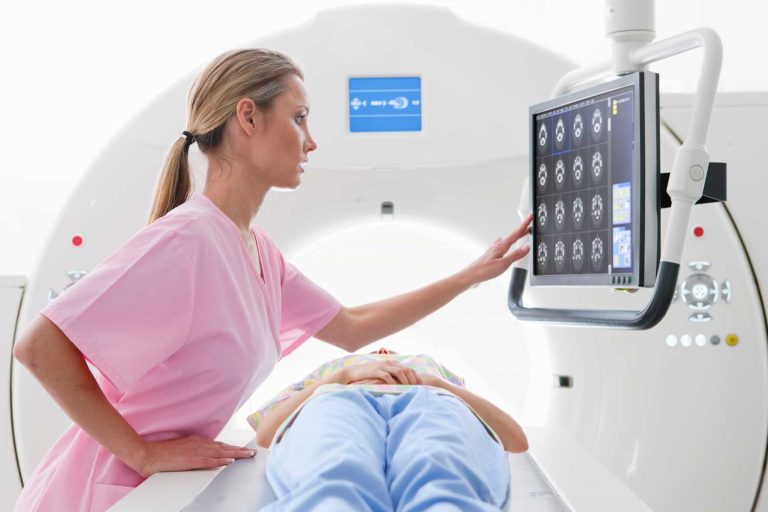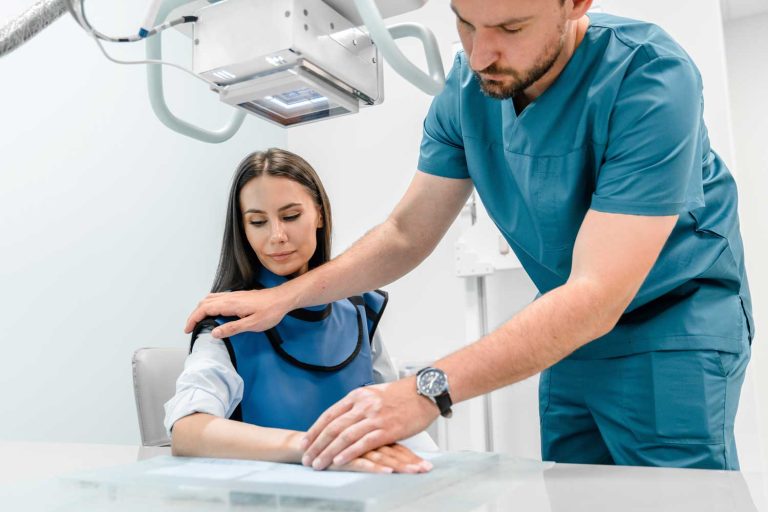
At Independent Physicians Medical Center (IPMC) in Northeast Philadelphia, we offer abdominal CT imaging with our advanced high-resolution Siemens CT scanner, experienced technologists, and board-certified radiologists — all in a comfortable outpatient setting that gets you in and out without the long waits of a hospital.
What Is an Abdominal CT Scan?
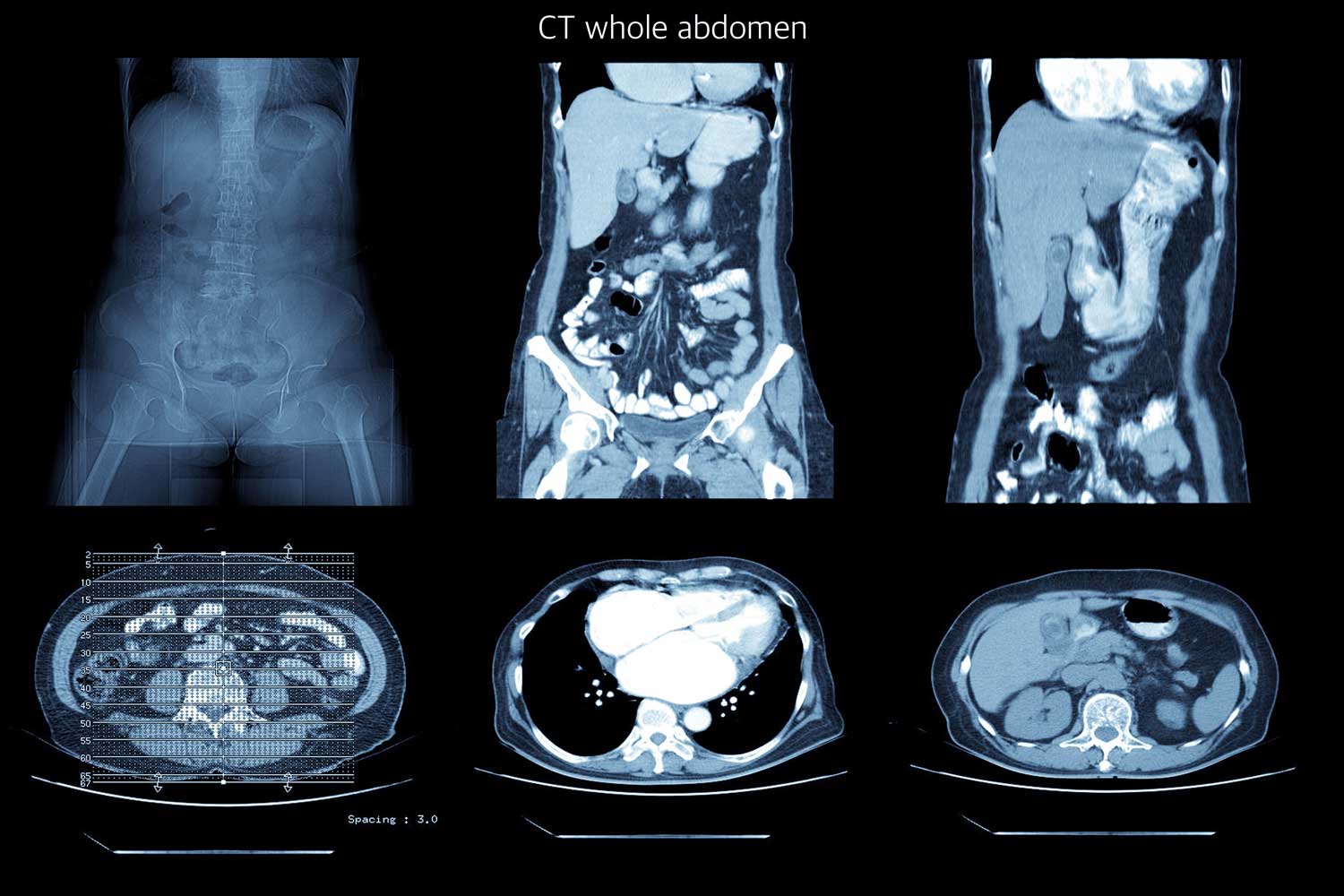
A CT scan (computed tomography, also called a CAT scan) uses a rotating X-ray beam and a computer to produce detailed cross-sectional images of the inside of your body. Unlike a standard X-ray, which takes a single flat picture, a CT scanner captures images from many different angles and combines them to create layered “slices” that can be viewed individually or reconstructed into three-dimensional images.
An abdominal CT scan specifically images the structures between your diaphragm and your pelvis, including the liver, gallbladder, spleen, pancreas, kidneys, adrenal glands, stomach, small and large intestines, appendix, abdominal aorta, inferior vena cava, and the lymph nodes and fat tissue that surround them. In many cases, the scan also extends to include the pelvic organs (bladder, reproductive organs, and rectum), which is called an abdomen and pelvis CT.
Abdominal CT scans can be performed with or without contrast dye. Contrast materials — which contain barium or iodine — help certain structures stand out more clearly. Your doctor may order oral contrast (a drink you consume before the scan to highlight the stomach and intestines), IV contrast (injected into a vein to highlight blood vessels and organs), or both, depending on what they’re looking for.
Why Would Your Doctor Order an Abdominal CT Scan?
An abdominal CT scan is an incredibly versatile diagnostic tool. Your doctor may order one for a wide range of reasons, including:
- Abdominal pain. CT is one of the best tests for evaluating the cause of acute or chronic abdominal pain. It can quickly identify appendicitis, diverticulitis, bowel obstruction, kidney stones, pancreatitis, and many other conditions
- Kidney stones. A non-contrast CT is the gold standard for detecting kidney stones of any size and composition, and it shows the exact location of the stone and whether it’s causing a blockage
- Suspected appendicitis. CT is highly accurate at confirming or ruling out appendicitis, helping patients avoid unnecessary surgery
- Infections and abscesses. CT can detect pockets of infection (abscesses) in the abdomen and pelvis, as well as signs of inflammation in organs like the gallbladder, pancreas, or colon
- Tumors, masses, and cysts. CT can detect growths in the liver, kidneys, pancreas, adrenal glands, and other organs, and can often characterize them as benign or suspicious
- Cancer staging and monitoring. For patients with known cancer, CT helps determine how far the disease has spread (staging) and tracks changes during treatment
- Trauma and internal injuries. After an accident, fall, or blow to the abdomen, CT rapidly identifies internal bleeding, organ damage, and fractures
- Bowel obstruction or perforation. CT shows whether the intestines are blocked or whether a hole (perforation) has developed in the bowel wall
- Abnormal blood test results. Elevated liver enzymes, kidney function changes, or tumor markers may prompt a CT scan for further investigation
- Follow-up on ultrasound findings. When an ultrasound reveals something that needs a closer look, CT provides the additional detail needed for diagnosis
- Vascular problems. CT angiography (CTA) can evaluate the abdominal aorta for aneurysms, dissections, and other blood vessel conditions
How to Prepare for Your Abdominal CT Scan
Preparation depends on whether contrast dye will be used:
Without contrast. For scans done without contrast (such as for kidney stones), minimal preparation is needed. You can usually eat and drink normally.
With IV contrast. If your doctor orders IV contrast, you may be asked to fast (avoid eating solid foods) for 2 to 4 hours before the scan. This reduces the chance of nausea, which some people experience from the IV contrast injection. You can usually still drink clear liquids and take your medications with water. Tell your doctor about any allergies to iodine or contrast dye, kidney problems, or diabetes (particularly if you take metformin, which may need to be temporarily paused after receiving IV contrast).
With oral contrast. If oral contrast is ordered, you’ll receive a drink containing barium or an iodine-based solution (like Gastrografin) to consume before the scan. This is typically given to you before the day of your scan with instructions, or you’ll drink it at our facility 60 to 90 minutes before the procedure. The taste is often described as mildly chalky or slightly sweet, depending on the solution.
General tips. Wear comfortable, loose-fitting clothing without metal. Remove jewelry, belts, and any metal objects. Inform your care team if you are pregnant or could be pregnant, as CT does use radiation. Bring your insurance card and a list of current medications.
What Happens During the Scan?
At IPMC, the process is quick and straightforward:
- Check-in. Our staff will verify your information, confirm your preparation, and review any allergies or medical conditions.
- Changing. You may change into a gown or simply remove any metal objects. You’ll store your belongings in a secure area.
- IV placement (if needed). If IV contrast is ordered, a nurse or technologist will insert a small IV line into a vein in your arm or hand.
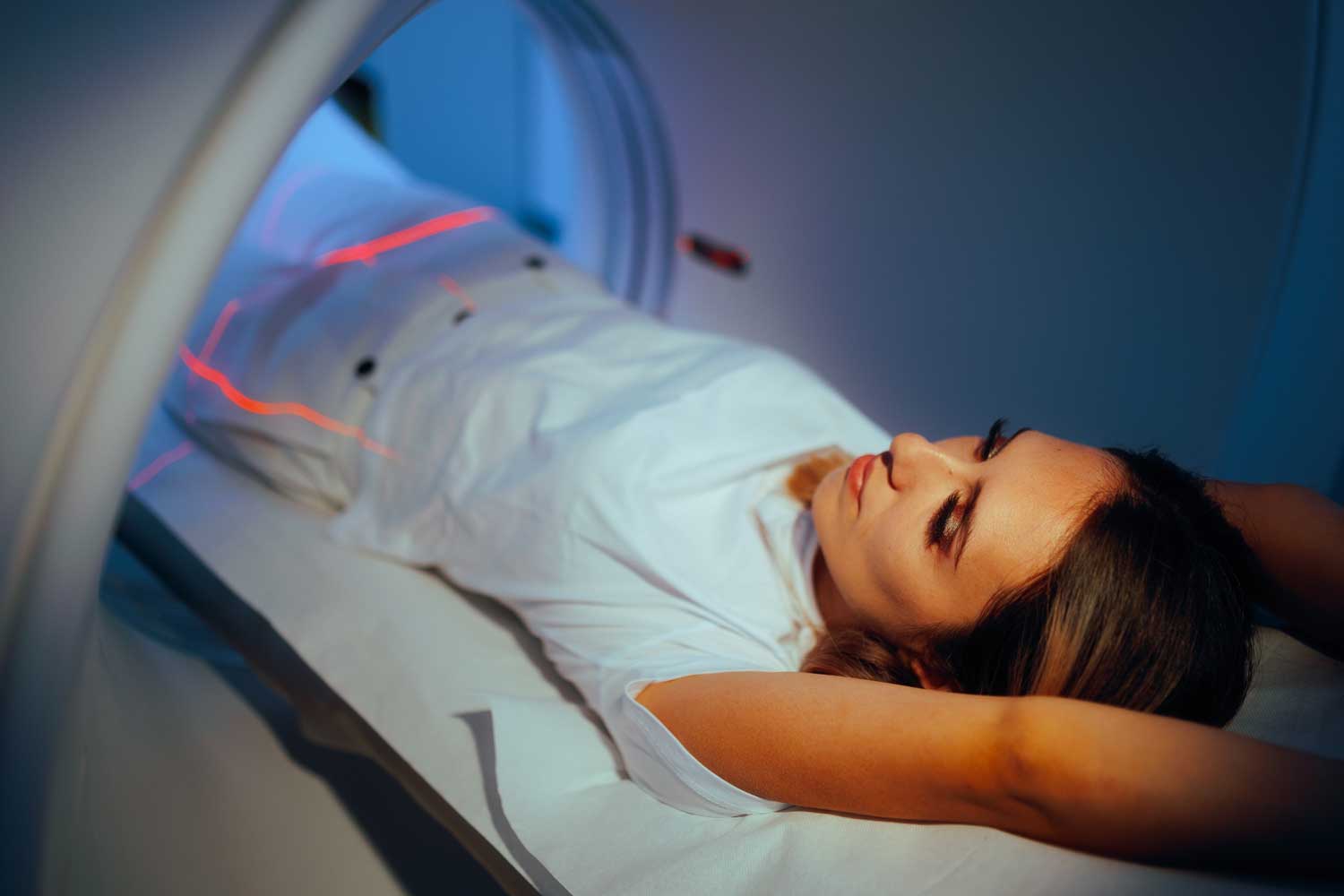
- Positioning. You’ll lie on your back on a narrow, padded table. The technologist will position you correctly and may place your arms above your head to get the clearest images of your abdomen.
- The scan. The table slides through the CT scanner, which looks like a large ring or donut. The scanner rotates around you as the table moves, capturing images from multiple angles. You may hear soft whirring or clicking sounds. The technologist will be in a nearby room, watching through a window and communicating with you through a speaker. You’ll be asked to hold your breath for 10 to 20 seconds at certain points to prevent motion blur.
- Contrast injection. If IV contrast is used, it will be injected through your IV during the scan. You may feel a brief warm sensation throughout your body, a metallic taste in your mouth, or a temporary feeling that you need to urinate. These sensations are completely normal and pass within seconds.
- Duration. The actual scanning portion takes only about 5 to 15 minutes. The entire appointment, including preparation and any waiting time for oral contrast, typically takes 30 to 90 minutes.
- Quality check. After the images are captured, the technologist may review them briefly to ensure everything is clear. You may be asked to wait a few minutes before leaving.
Is an Abdominal CT Scan Safe?
CT scans do involve exposure to ionizing radiation, but the amount used in a modern CT scanner is carefully controlled and kept as low as possible while still producing diagnostic-quality images. For the vast majority of patients, the medical benefit of an accurate diagnosis far outweighs the very small risk associated with the radiation.
Key safety considerations include:
Radiation. A single abdominal CT delivers a radiation dose roughly equivalent to about three years of natural background radiation. While this is higher than a standard X-ray, modern scanners (like the Siemens system at IPMC) use dose-reduction technology to minimize exposure.
Contrast dye allergies. Allergic reactions to iodine-based IV contrast dye are uncommon and usually mild (such as hives or itching). Severe allergic reactions are very rare. If you’ve had a previous reaction, your doctor can premedicate you with steroids and antihistamines to reduce the risk.
Kidney concerns. IV contrast dye can occasionally affect kidney function, particularly in patients who already have kidney disease. Your doctor may order a blood test (creatinine level) before the scan to check your kidney function. Newer contrast agents carry less risk than older formulations.
Pregnancy. CT scans are generally avoided during pregnancy due to radiation exposure to the fetus. If you are pregnant or could be pregnant, inform your doctor so alternative imaging (such as ultrasound or MRI) can be considered.
Understanding Your Abdominal CT Scan Results
A board-certified radiologist at IPMC will analyze every image from your scan and prepare a comprehensive report. Here are some of the things your radiologist evaluates:
Organ size and appearance. The liver, spleen, kidneys, pancreas, and adrenal glands are each assessed for normal size, shape, and density. Enlargement, shrinkage, or abnormal density can indicate disease.
Masses, tumors, and cysts. Any abnormal growths are identified, measured, and characterized based on their appearance and enhancement pattern with contrast. Many cysts and benign masses have a characteristic CT appearance that allows confident diagnosis without biopsy.
Kidney stones. Stones appear as bright white spots on non-contrast CT. The radiologist documents their size, location (kidney, ureter, or bladder), and whether they are causing obstruction (hydronephrosis).
Inflammation and infection. Signs of appendicitis, diverticulitis, pancreatitis, cholecystitis, and other inflammatory conditions are identified based on organ swelling, fat stranding (haziness of the surrounding fat), fluid collections, and wall thickening.
Bowel abnormalities. The small and large intestines are evaluated for obstruction, perforation, thickening, masses, and diverticular disease.
Blood vessels. The aorta and other major vessels are assessed for aneurysms, calcification, blood clots, and narrowing.
Lymph nodes. Enlarged lymph nodes may suggest infection, inflammation, or cancer.
Incidental findings. CT scans sometimes reveal unexpected findings unrelated to your symptoms — such as a small kidney cyst or a benign adrenal nodule. Your doctor will explain these findings and whether any follow-up is needed.
After Your Abdominal CT Scan
You can return to your normal activities immediately after the scan. If IV contrast was used, drinking extra water over the next 24 hours is recommended to help flush the contrast from your system. If you received oral contrast, you may notice slightly loose stools for a day or two — this is normal.
Results are typically available within 24 to 48 hours. Your referring doctor will contact you to discuss the findings and any recommended follow-up, whether that’s treatment, additional imaging, a specialist referral, or reassurance that your scan is normal.
At IPMC, we prioritize quick turnaround on results so your care can move forward without unnecessary delays.