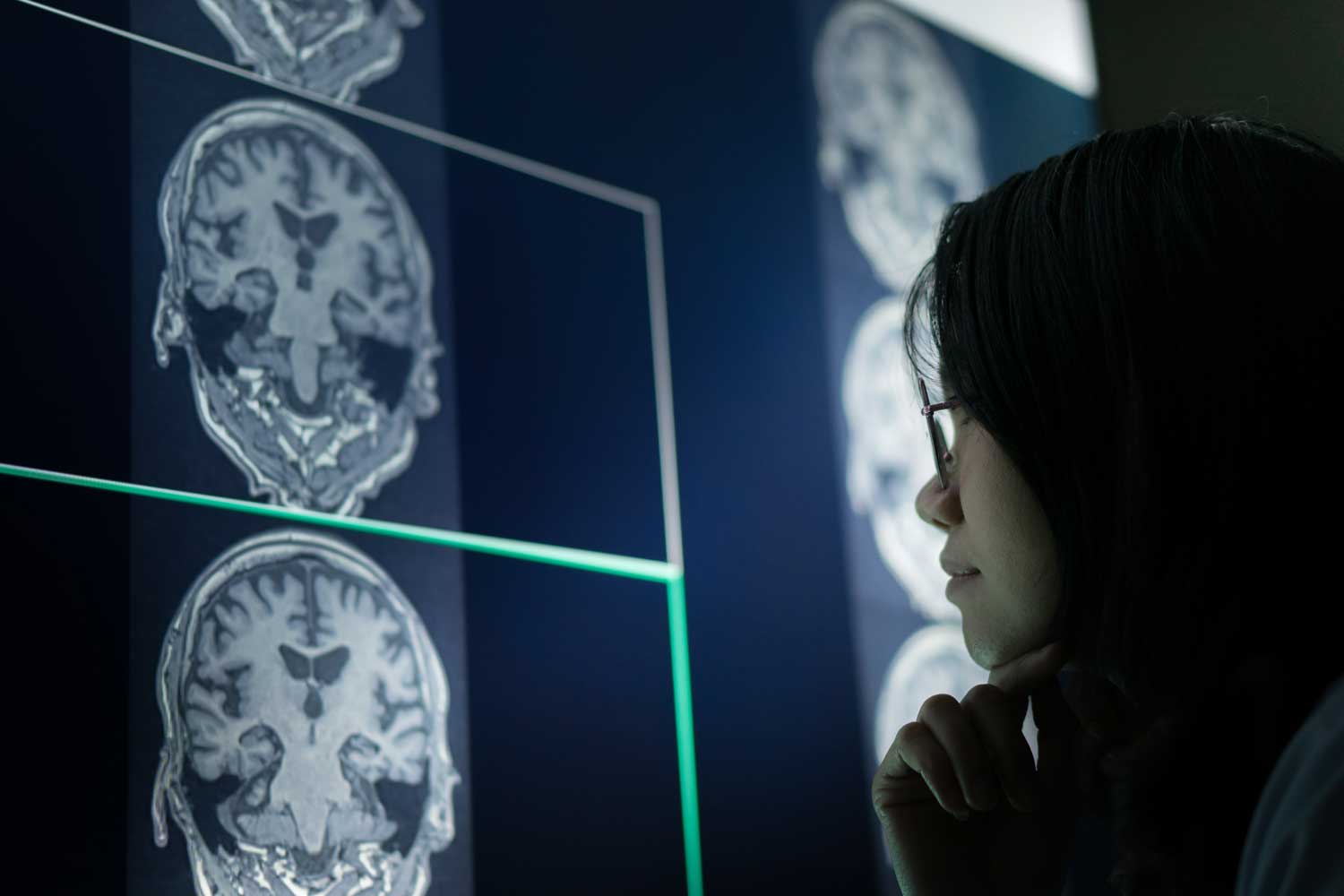
Parkinson’s disease is a progressive neurological condition that affects movement, balance, coordination, and sometimes cognition. While there is no single test that definitively diagnoses Parkinson’s, MRI plays an important supporting role in the evaluation process — primarily by helping doctors rule out other conditions that can mimic Parkinson’s symptoms and by providing structural information about the brain.
At Independent Physicians Medical Center (IPMC) in Northeast Philadelphia, we offer advanced brain MRI imaging that supports neurologists and primary care physicians in evaluating patients with movement disorders and other neurological concerns.
How Is Parkinson’s Disease Diagnosed?
Parkinson’s disease is primarily a clinical diagnosis, meaning it is based on your symptoms, medical history, and a neurological examination. The hallmark symptoms include tremor (usually starting in one hand), slowness of movement (bradykinesia), muscle rigidity, and postural instability. However, several other conditions can produce similar symptoms, including essential tremor, normal pressure hydrocephalus, multiple system atrophy, progressive supranuclear palsy, vascular parkinsonism (caused by small strokes), brain tumors, and medication side effects.
This is where MRI becomes invaluable. By providing detailed images of the brain’s structure, MRI helps your neurologist confidently exclude these “look-alike” conditions and feel more certain about a Parkinson’s diagnosis.
What Can a Brain MRI Show?
A standard brain MRI may appear relatively normal in early Parkinson’s disease, which is actually a useful finding — it helps rule out structural causes for your symptoms. Specifically, MRI can identify or exclude:
- Stroke or small vessel disease in the brain, which can cause vascular parkinsonism
- Normal pressure hydrocephalus — a buildup of cerebrospinal fluid that causes enlarged ventricles and can present with a shuffling gait, cognitive changes, and urinary symptoms that mimic Parkinson’s
- Brain tumors or masses pressing on areas involved in movement
- Structural abnormalities that might explain neurological symptoms
- Characteristic changes seen in atypical parkinsonian syndromes such as multiple system atrophy (MSA) or progressive supranuclear palsy (PSP), which may show specific patterns of brain atrophy
- Demyelinating diseases like multiple sclerosis
Newer, specialized MRI techniques — including high-resolution imaging of the substantia nigra (the brain region most affected in Parkinson’s), susceptibility-weighted imaging (SWI), and neuromelanin-sensitive MRI — are being studied for their ability to detect subtle changes associated with Parkinson’s disease itself. While these advanced techniques are still largely in the research phase, they represent promising future tools for earlier and more precise diagnosis.
What to Expect During the Scan
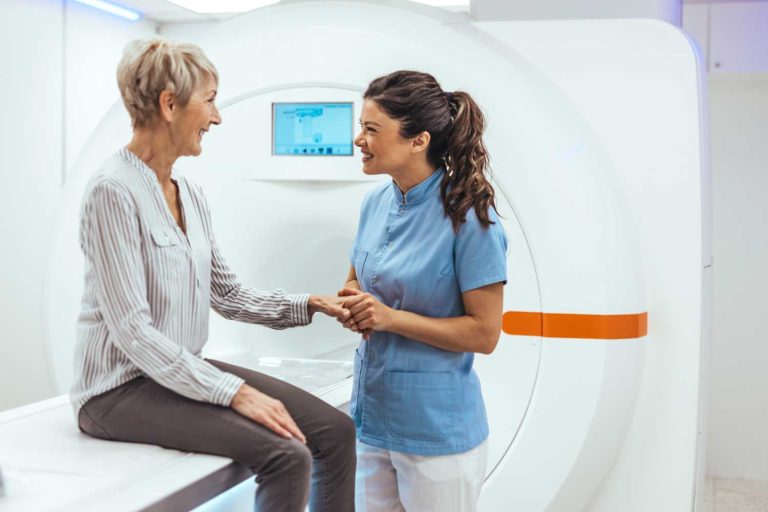
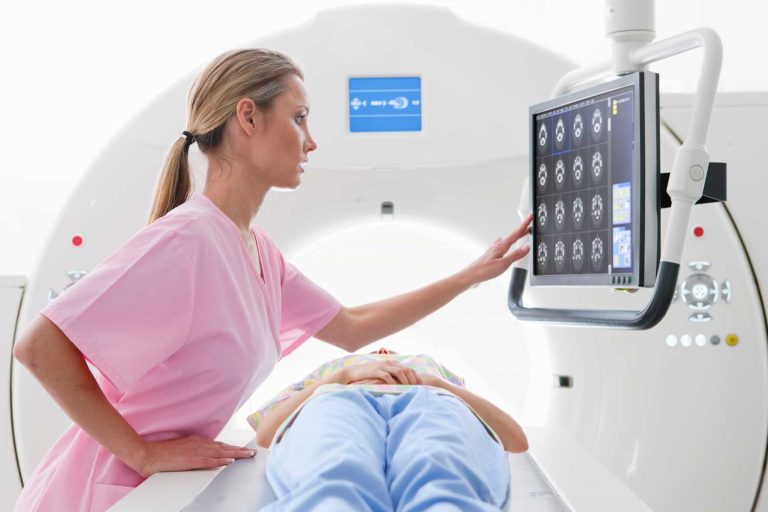
A brain MRI is painless and typically takes 30 to 60 minutes. You’ll lie on a cushioned table with a coil placed around your head. The table slides into the MRI machine, and you’ll hear tapping and humming sounds with ear protection provided. Staying still is important for clear images. Contrast dye may or may not be used depending on what your neurologist is looking for. A technologist will be with you the entire time via intercom.
After Your MRI
There is no recovery period. You can resume your day normally. A board-certified radiologist will interpret the images and send results to your neurologist, who will combine the imaging findings with your clinical examination, medical history, and potentially other tests (such as DaTscan) to reach a diagnosis and guide your treatment plan.
MRI at IPMC
Why Choose IPMC for Your MRI in Philadelphia??
Convenient Location and Flexible Hours
Easily accessible with onsite parking. Open Monday–Friday from 8AM to 8PM to fit your schedule.
Advanced MRI Technology
Our equipment delivers detailed images that help your doctor make accurate diagnoses and guide treatment.
Comfortable Outpatient Setting
Fast Appointments & Quick Results
Schedule Your MRI at IPMC
If your physician has recommended an MRI, Independent Physicians Medical Center provides reliable and convenient imaging close to home in Northeast Philadelphia.
- Call 215-464-3300 to book your appointment.
- 9908 E. Roosevelt Blvd., Philadelphia, PA 19115
- Monday–Friday, 8AM–8PM
At Independent Physicians Medical Center, we believe medical imaging should be personal, efficient, and comfortable—giving you peace of mind and the detailed answers you deserve.