At Independent Physicians Medical Center (IPMC) in Northeast Philadelphia, we offer chest MRI imaging in a comfortable outpatient setting with experienced technologists and board-certified radiologists.
What Is a Chest MRI?
A chest MRI uses powerful magnets and radio waves to create highly detailed cross-sectional and three-dimensional images of the organs and tissues within your thorax. It is particularly effective at visualizing the heart muscle and its chambers, the thoracic aorta and other major blood vessels, masses in the mediastinum or chest wall, and the relationship of tumors to surrounding structures.
Because MRI does not use ionizing radiation, it is a preferred alternative for patients who need repeated imaging, younger patients, and pregnant women (when clinically necessary). Cardiac MRI is also considered the gold standard for evaluating heart muscle diseases.
Why Would Your Doctor Order a Chest MRI?
Your doctor may recommend a chest MRI to investigate:
- Abnormal findings on a chest X-ray or CT scan that need further evaluation or characterization
- Tumors or masses in the chest, including those in the lungs, chest wall, pleura, or mediastinum
- Heart conditions such as cardiomyopathy (disease of the heart muscle), congenital heart disease, pericardial disease, or cardiac tumors
- Evaluation of the thoracic aorta for aneurysms, dissections, or congenital abnormalities
- Blood vessel abnormalities — MR angiography can evaluate the pulmonary arteries and thoracic vasculature without the need for catheter-based procedures
- Assessment of the chest wall, diaphragm, and brachial plexus (nerves that go from the neck to the arm)
- Cancer staging — determining whether cancer in another part of the body has spread to chest structures
- Evaluation of lymph node enlargement in the mediastinum
- Monitoring the response of chest tumors to treatment
- Assessment of inflammatory or infectious conditions affecting the chest
What to Expect During a Chest MRI
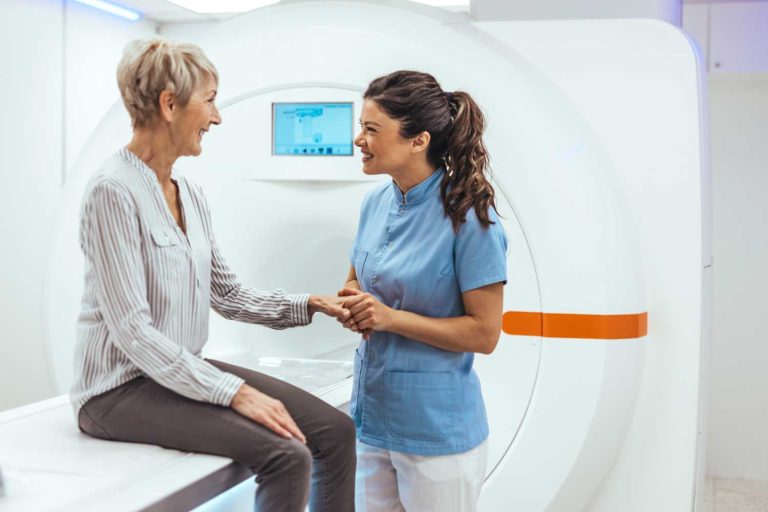
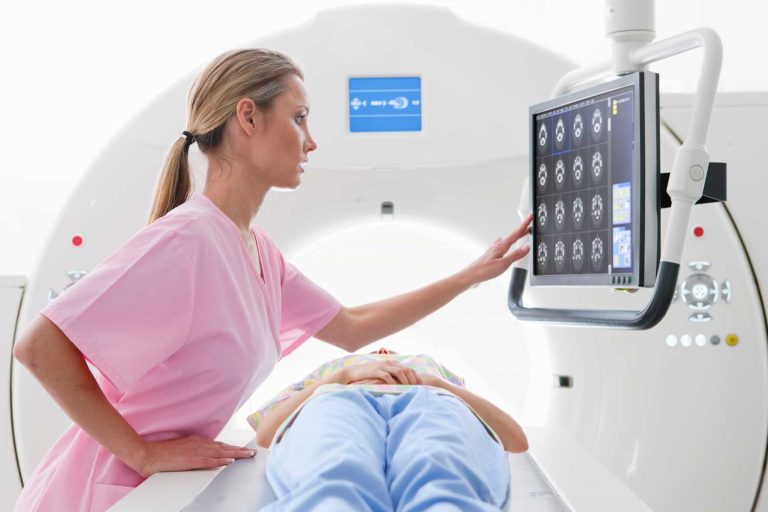
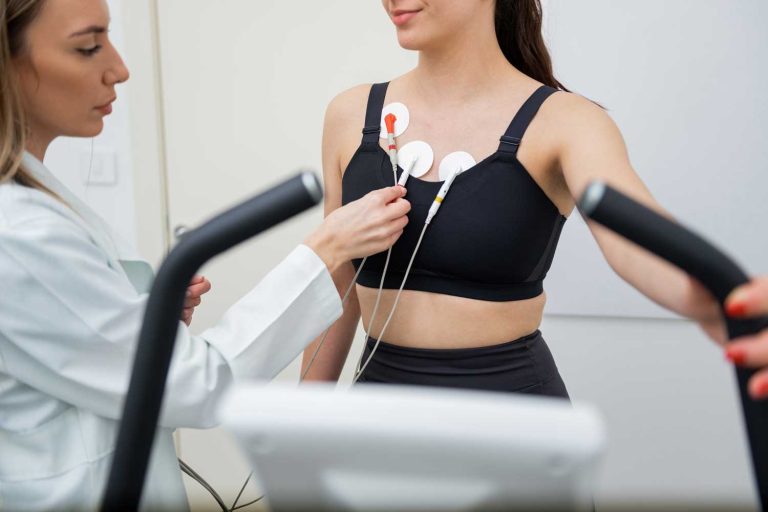
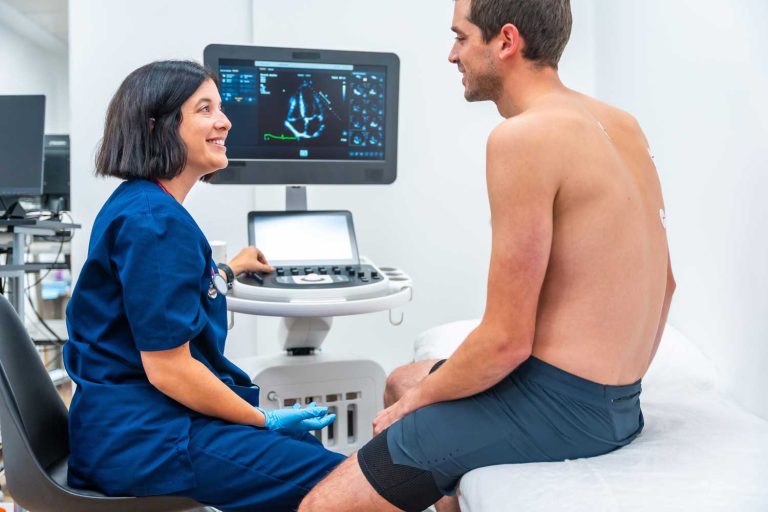
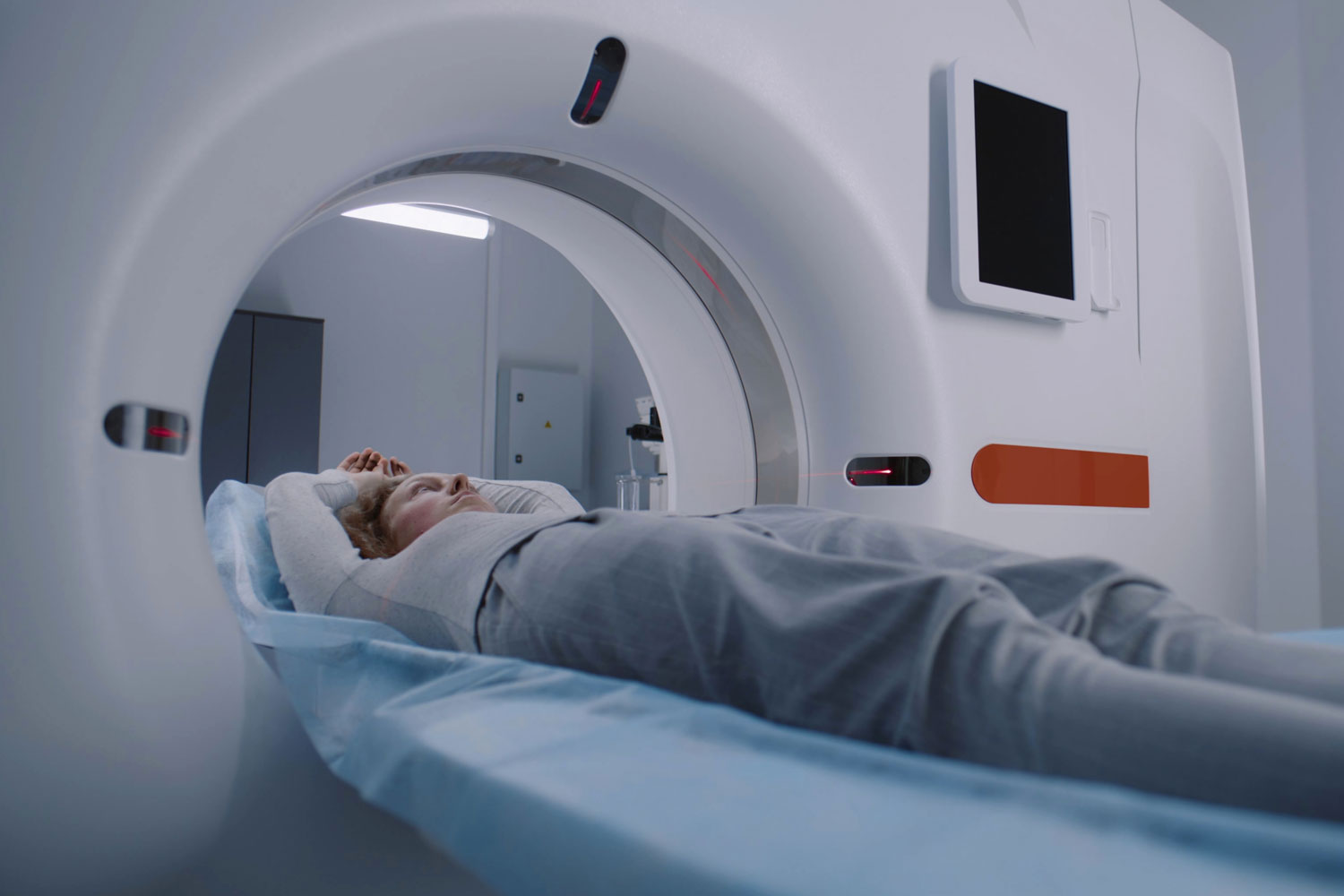
At IPMC, you’ll change into a gown and remove all metal objects. You’ll lie on a padded table that slides into the MRI machine. ECG leads may be placed on your chest to synchronize the imaging with your heartbeat (cardiac gating), which produces sharper images of the heart and great vessels.
The scan can take 30 to 90 minutes depending on what your doctor is looking for. You may be asked to hold your breath for short periods to minimize motion from breathing. Contrast dye may be used and will be given through an IV. Ear protection is provided, and a technologist will communicate with you throughout.
There is no recovery time. You can resume normal activities immediately.

Chest MRI scan showing thoracic organs and cardiac structures
Understanding Your Chest MRI Results
A board-certified radiologist at IPMC will analyze every image and prepare a detailed report for your referring physician. Key findings include:
Heart and cardiac structures. For cardiac MRI, the radiologist evaluates heart muscle thickness, wall motion, ejection fraction, and areas of scarring or inflammation (myocarditis or fibrosis). This is considered the gold standard for assessing cardiomyopathy and congenital heart disease.
Aorta and major vessels. The thoracic aorta is measured and assessed for aneurysm, dissection, or congenital abnormalities such as coarctation. Pulmonary arteries are evaluated for clots or structural problems.
Mediastinal masses. Enlarged lymph nodes, thymic masses, and other mediastinal abnormalities are characterized by their size, location, and signal characteristics to help distinguish benign from malignant findings.
Chest wall and pleura. Tumors, infections, or inflammatory conditions involving the ribs, sternum, chest muscles, or pleural lining are identified and staged.
Lung masses. While CT remains the primary tool for lung evaluation, MRI can characterize masses near the chest wall, spine, or superior sulcus (Pancoast tumors) with greater detail.
Treatment response. For patients undergoing cancer treatment, the radiologist compares current images with prior scans to assess whether tumors are shrinking, stable, or progressing.
After Your Chest MRI
There is no recovery time after a chest MRI. You can return to your normal activities, diet, and medications immediately. If contrast dye was used, staying well hydrated helps your body clear it efficiently.
Depending on the results, your doctor may recommend further imaging such as a PET scan or CT scan, biopsy of a suspicious mass, referral to a cardiologist, pulmonologist, or thoracic surgeon, treatment for any identified condition, or periodic monitoring imaging to track a known abnormality over time.
At IPMC, we prioritize getting results to your doctor promptly — so your care moves forward without unnecessary delays.