Schedule Your Mammogram at IPMC
A mammogram is a specialized X-ray of the breast that captures detailed images of breast tissue to detect abnormalities, including tumors, cysts, or calcifications. It’s used both for:
- Screening mammograms — routine checks in people without symptoms
- Diagnostic mammograms — follow-up imaging when a symptom, lump, or unusual finding needs closer evaluation
Because mammography uses low-dose X-rays, the amount of radiation exposure is small and the benefits of early detection outweigh the risks for most patients.
How Mammograms Help Detect Breast Cancer
Mammograms can find tumors before you or your doctor can feel a lump, making them critical for early breast cancer detection. They can also show changes such as:
- Masses or lumps that are too small to be felt
- Calcifications (tiny calcium deposits) that may signal early cell changes
- Asymmetries or unexpected patterns in tissue that suggest further investigation
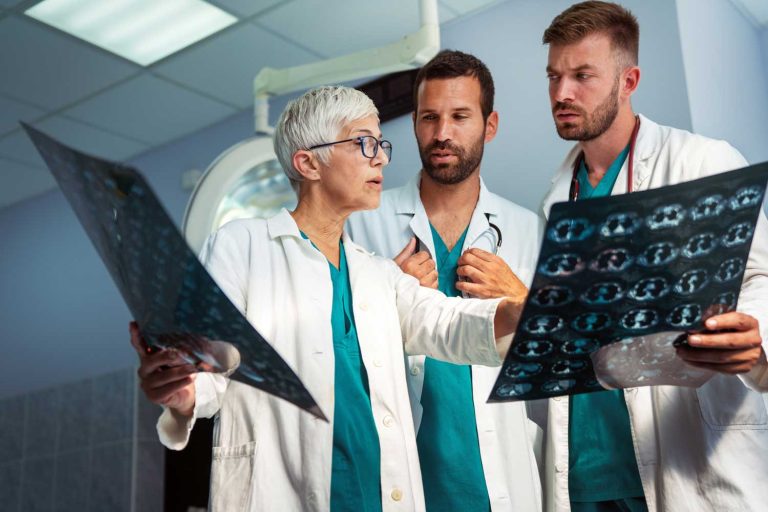
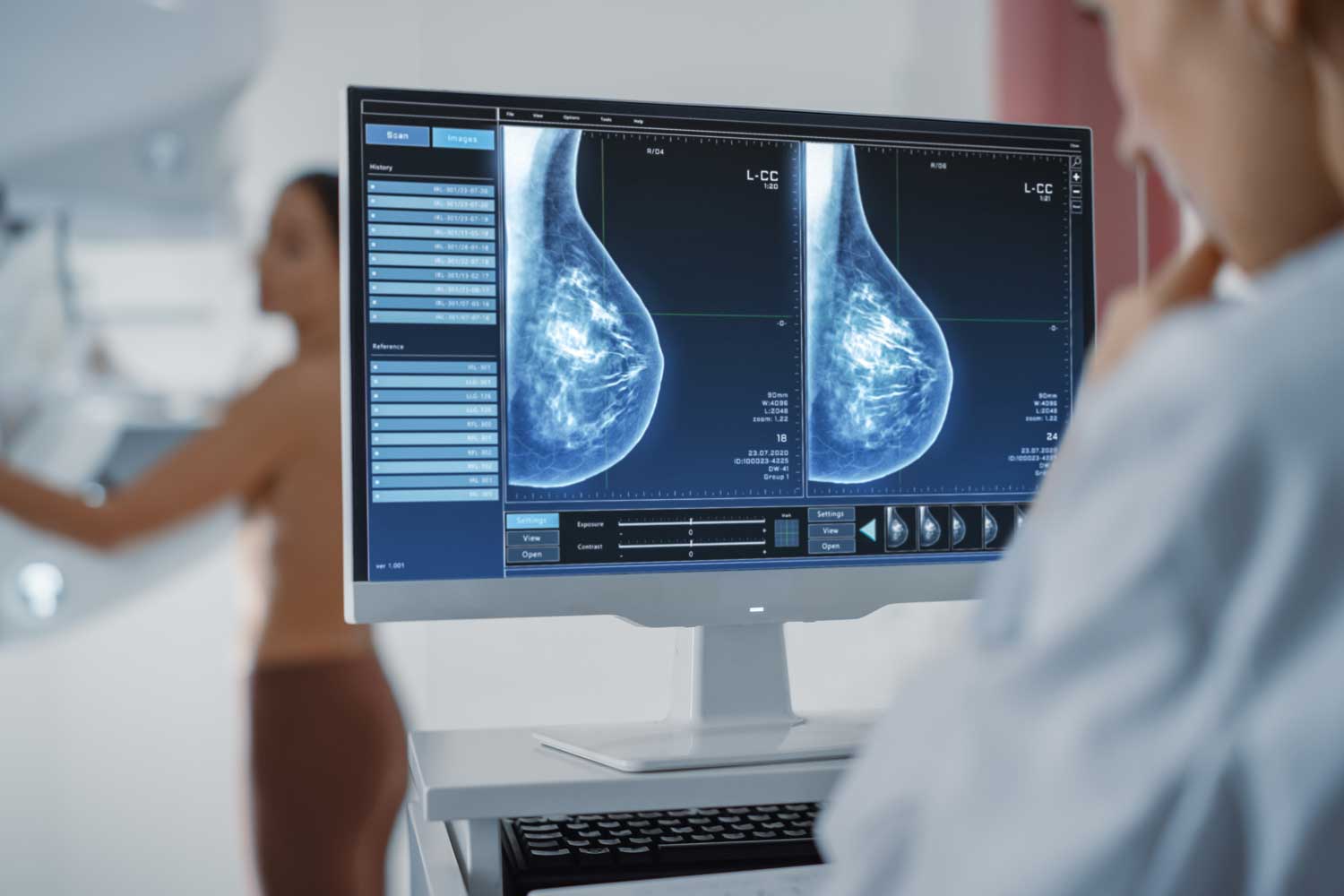
When a radiologist reviews your mammogram images, they look for unusual structures or patterns. Not all findings mean cancer — for example, small shadows or dense tissue can sometimes be benign — but they often prompt additional imaging like a diagnostic mammogram, ultrasound, or MRI.
Screening Recommendations
Most major health organizations recommend routine mammograms starting around age 40 for people at average risk and continuing annually or every other year depending on age and overall health. For those with higher risk factors — such as a strong family history of breast cancer or known genetic mutations — screening may start earlier and include additional imaging like MRI.
Finding cancer early through regular screening gives you and your doctor more time to plan treatment and can lead to better outcomes with potentially less aggressive therapy.
What to Expect During a Mammogram
During the exam:
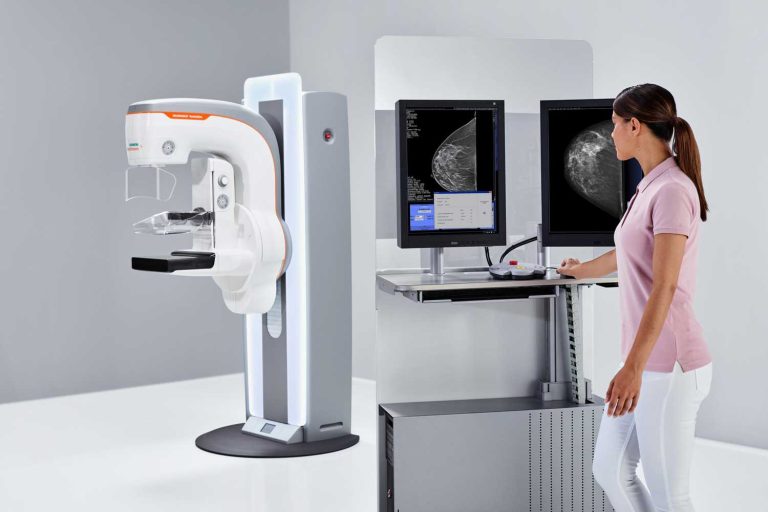
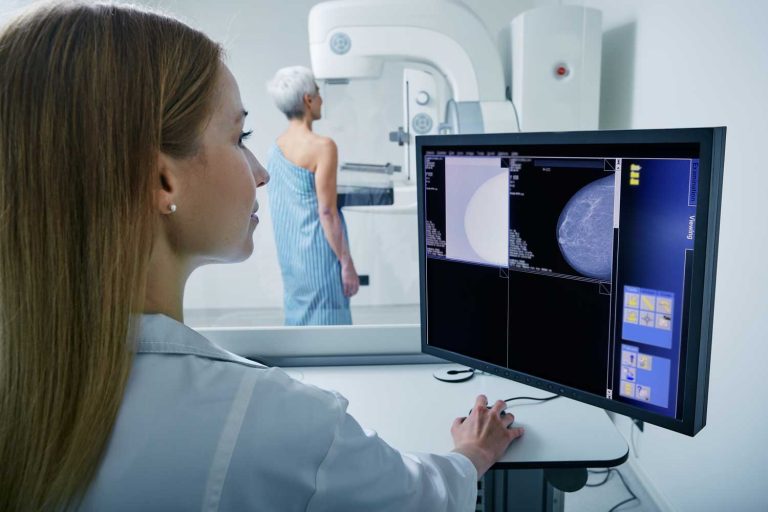
- You’ll stand in front of the mammography machine.
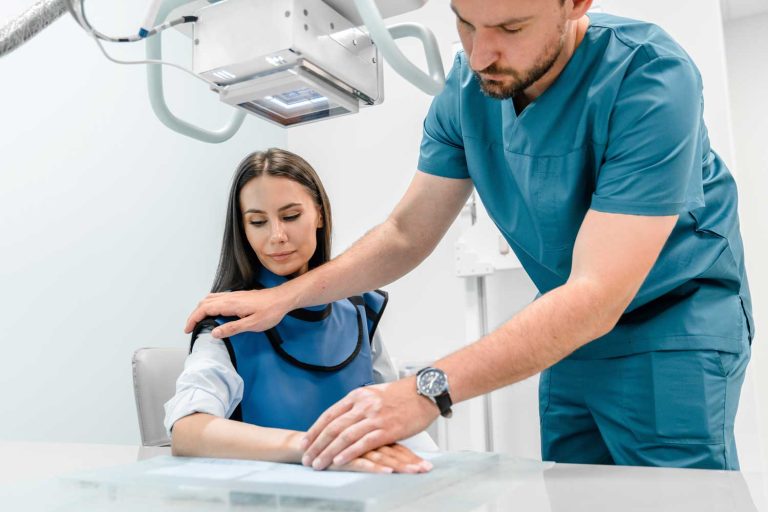
- A trained technologist positions your breast between two plates that gently compress the tissue — briefly — to spread it for a clearer X-ray image.
- Several images are taken from different angles.
The procedure usually lasts about 15–30 minutes and may cause brief discomfort from compression, but it’s over quickly and doesn’t require recovery time.
After the Mammogram
A radiologist reviews your mammogram images and sends a report to your doctor. If something unusual shows up — like a mass or cluster of calcifications — your provider may recommend:
- Additional mammogram views
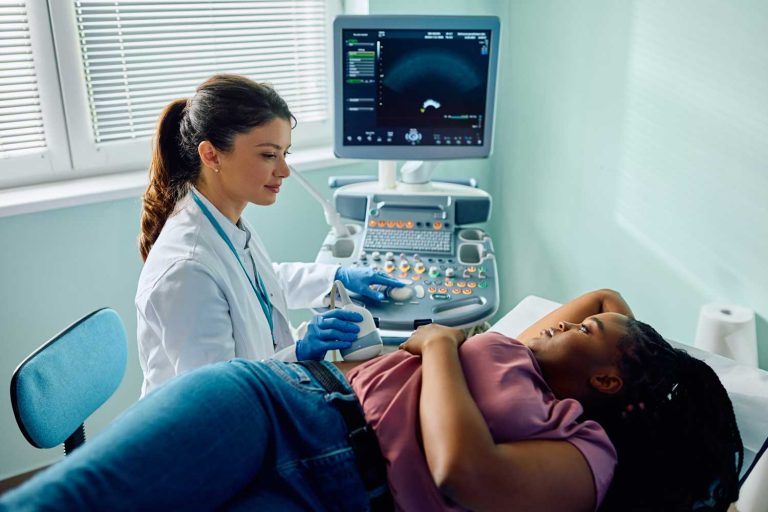
- Breast ultrasound
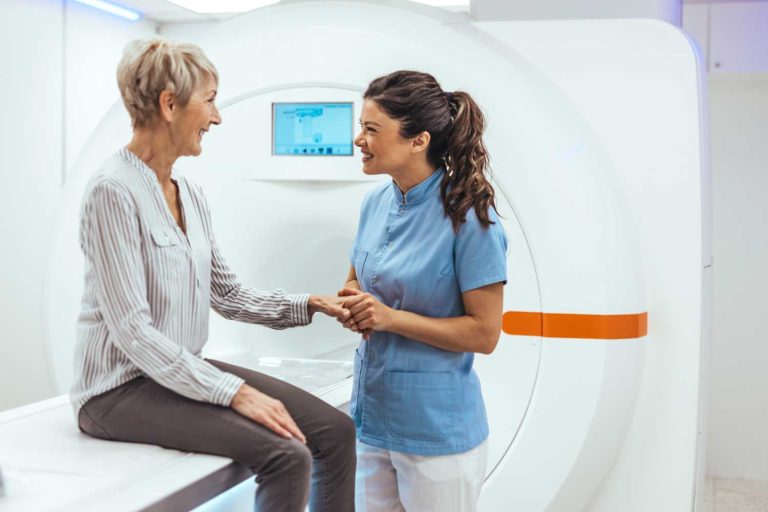
- Breast MRI
- Biopsy, if further tissue testing is needed
Most abnormalities turn out not to be cancer, but follow-up ensures any concerning areas get the attention they need.
Mammography at IPMC
Why Choose IPMC for Mammography in Northeast Philadelphia
Convenient Location and Flexible Hours
Easily accessible with onsite parking. Open Monday–Friday from 8AM to 8PM to fit your schedule.
Advanced Mammography Technology
Personalized, Outpatient Breast Imaging
Fast Appointments & Quick Results
Schedule Your Breast Cancer Screening at IPMC
If your physician has recommended breast cancer screening — including mammography, supplemental breast ultrasound, or MRI — Independent Physicians Medical Center is here to provide reliable, advanced imaging close to home in Northeast Philadelphia.
- Call 215-464-3300 to schedule your appointment.
- 9908 E. Roosevelt Blvd., Philadelphia, PA 19115
At IPMC, we believe breast cancer screening should be personal, efficient, and focused on your individual health, helping you and your doctor detect changes early and make informed decisions for the best possible outcomes.