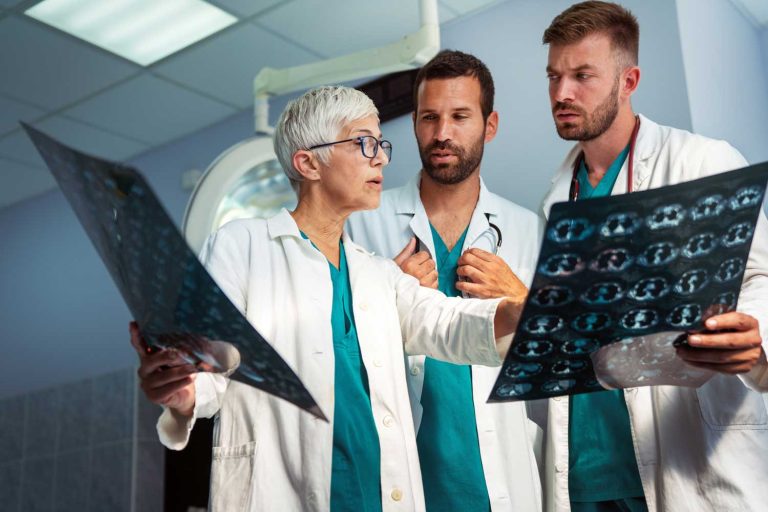
Why Early Detection Matters
Breast cancer can develop without noticeable signs, and tumors may be too small to feel during a physical exam. That’s why screening tests like mammograms are so important — they can identify changes in breast tissue when the cancer is most treatable. Early detection significantly improves long-term outcomes and can lead to treatment with fewer side effects.
Types of Breast Cancer Screenings
Breast cancer lumps and abnormalities can be detected through various screening methods depending on your risk, age, and medical history.
Self-Checks
Self-checks help you stay familiar with the look and feel of your breasts so that you notice any unusual changes, such as hard lumps, skin dimpling, or persistent discomfort. If you detect a change that’s new or doesn’t go away, contact your doctor right away.
Clinical Breast Examination
A clinical breast exam is a physical exam performed by a healthcare provider to feel for lumps or irregularities. While it’s a useful part of breast health care, clinical exams alone have not been shown to significantly improve early detection in people who also receive regular mammograms.
Mammograms
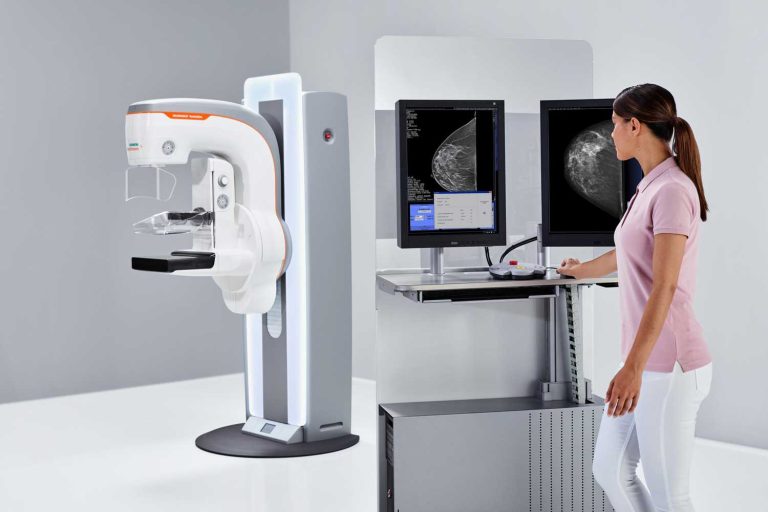
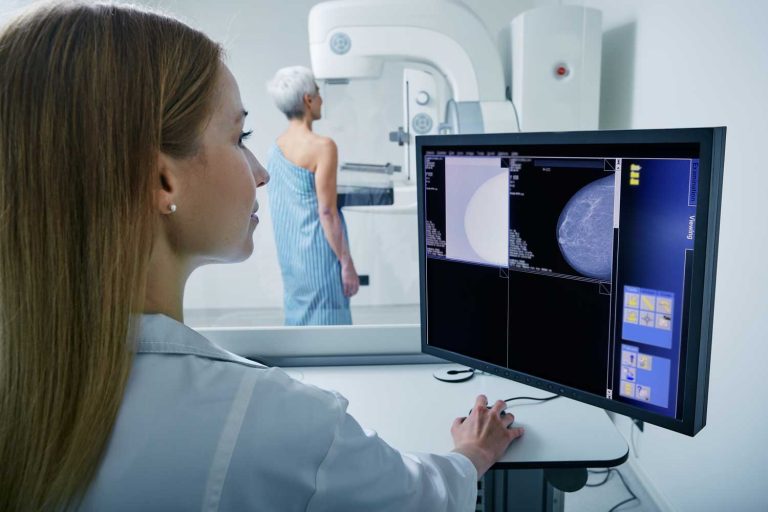
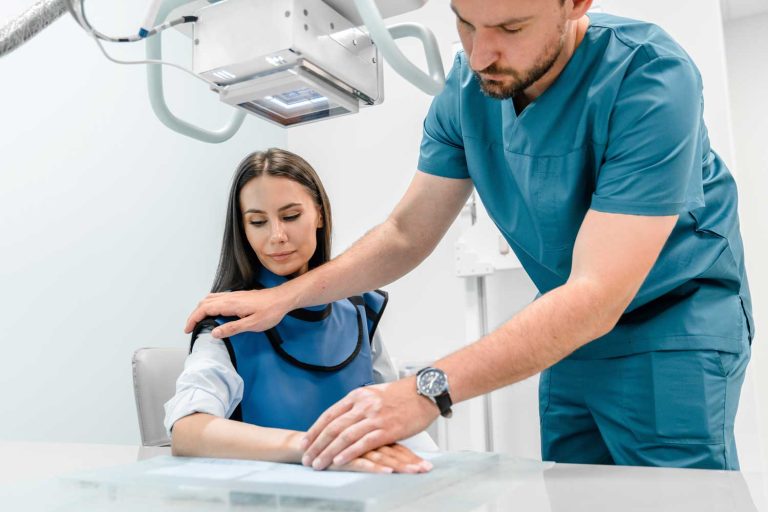
A mammogram is a low-dose X-ray of the breast and remains the cornerstone of breast cancer screening. It can detect tumors years before you or your doctor might feel them, making it one of the most effective screening methods available. Regular mammograms have been linked to reductions in breast cancer mortality because they find cancers early.
3D Mammography (Tomosynthesis)
3D mammography, also known as digital breast tomosynthesis, produces layered images of the breast, revealing detail that standard 2D mammograms might miss — especially in people with dense breast tissue. Studies show that tomosynthesis can improve cancer detection and reduce the need for follow-up imaging by making masses easier to distinguish.
Contrast-Enhanced Mammography (CEM)
Contrast-enhanced mammography uses a small amount of contrast material injected into a vein to highlight areas of blood flow that may indicate tumors. This technique can improve sensitivity and specificity in difficult-to-interpret cases, especially for individuals with dense breasts, though it may not be covered by all insurance plans.
Ultrasound
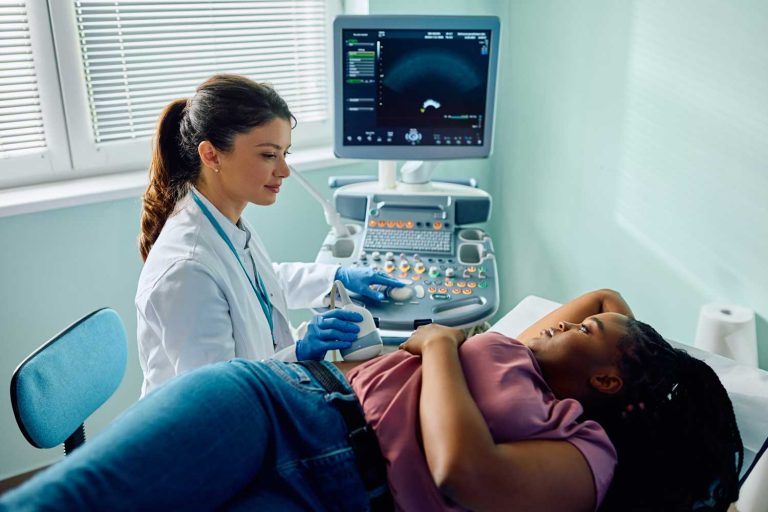
Breast ultrasound uses sound waves to create pictures of breast tissue. It helps distinguish between fluid-filled cysts and solid masses and offers additional detail when a mammogram is unclear or when breasts are dense. Ultrasound is often used alongside mammography to help clarify findings.
MRI (Magnetic Resonance Imaging)
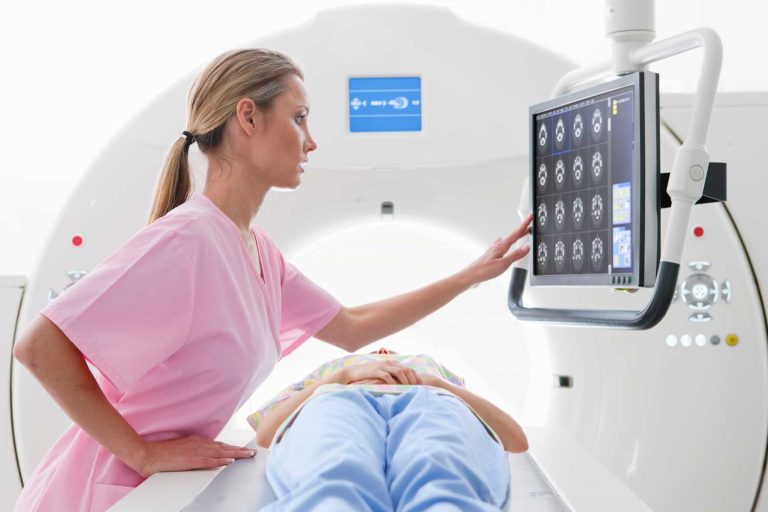
A breast MRI uses magnets and radio waves to create detailed images of breast tissue. It’s especially useful for people at higher risk of breast cancer (such as those with a strong family history or genetic mutations) or when mammogram and ultrasound results aren’t definitive. However, breast MRI is generally not used as a routine screening test for average-risk patients because it can also show changes that turn out to be benign.
Screening Recommendations and Personalized Plans
Guidelines vary across organizations, but many experts now recommend:
- Starting regular mammogram screenings at age 40 for average-risk individuals — and continuing through age 74.
- Earlier and more frequent screening for those with higher risk (family history, BRCA gene mutations, dense breasts, or prior breast cancer).
- Open dialogue with your doctor about risk factors and the best plan for your health.
Your personalized screening schedule should take your medical history, preferences, and risk profile into account.
What Happens After a Screening Test
If a screening test — such as a mammogram — shows something unusual, it doesn’t automatically mean cancer is present. Follow-up tests, like diagnostic imaging or biopsies, help determine whether findings are benign or require treatment. Prompt follow-up ensures any potential issues are evaluated without delay, which is a critical part of early detection and care.
Key Signs to Watch For
While many early breast cancers have no symptoms, some physical changes can warrant immediate evaluation:
- A new lump or thickness in breast tissue
- Changes in breast size or shape
- Nipple discharge or inversion
- Dimpling or redness of the skin
- Swelling under the arm or collarbone
If you notice any of these changes, see a healthcare provider promptly for further evaluation.
Mammography at IPMC
Why Choose IPMC for Mammography in Northeast Philadelphia
Convenient Location and Flexible Hours
Easily accessible with onsite parking. Open Monday–Friday from 8AM to 8PM to fit your schedule.
Advanced Mammography Technology
Personalized, Outpatient Breast Imaging
Fast Appointments & Quick Results
Schedule Your Breast Cancer Screening at IPMC
If your physician has recommended breast cancer screening — including mammography, supplemental breast ultrasound, or MRI — Independent Physicians Medical Center is here to provide reliable, advanced imaging close to home in Northeast Philadelphia.
- Call 215-464-3300 to schedule your appointment.
- 9908 E. Roosevelt Blvd., Philadelphia, PA 19115
At IPMC, we believe breast cancer screening should be personal, efficient, and focused on your individual health, helping you and your doctor detect changes early and make informed decisions for the best possible outcomes.